Energy
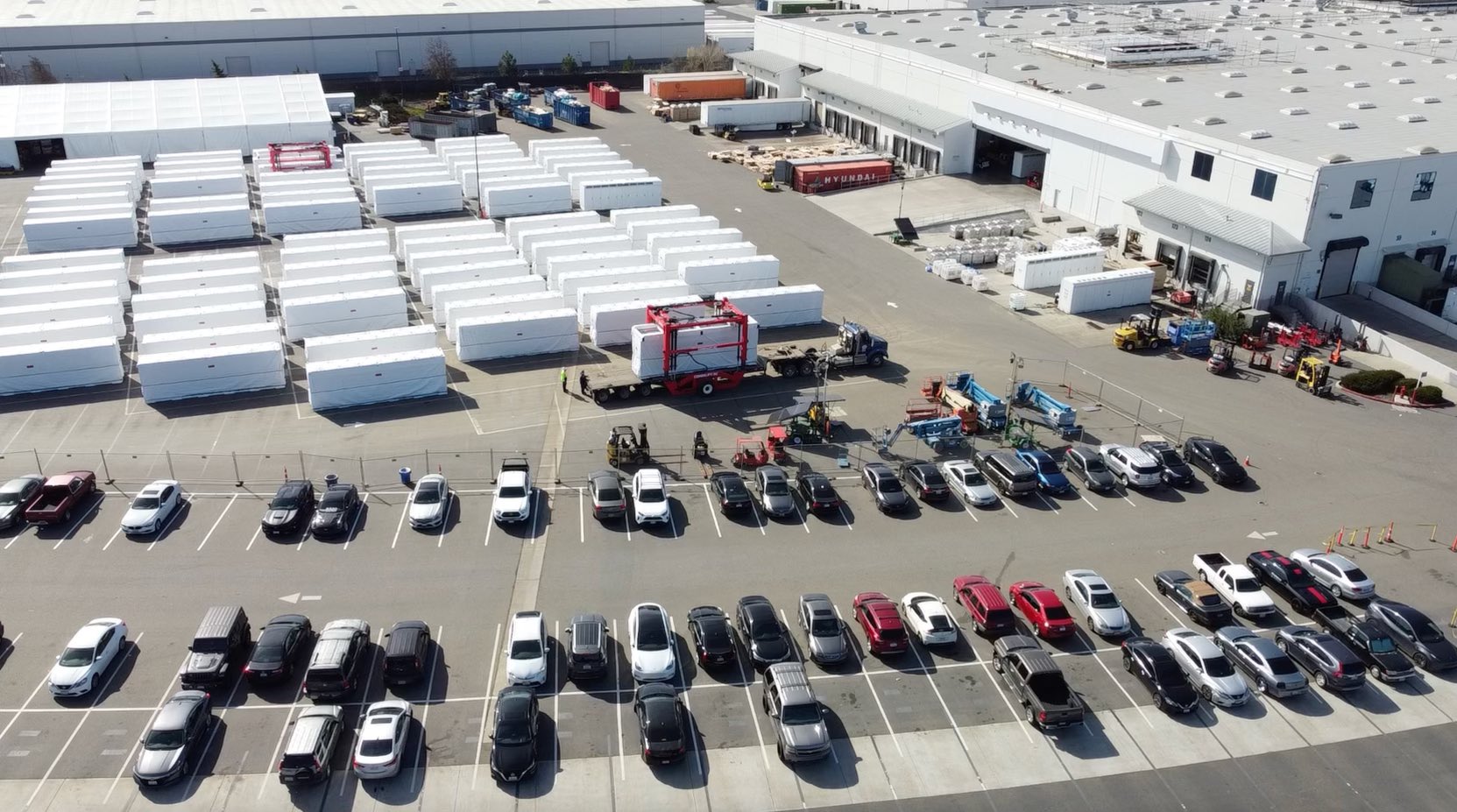
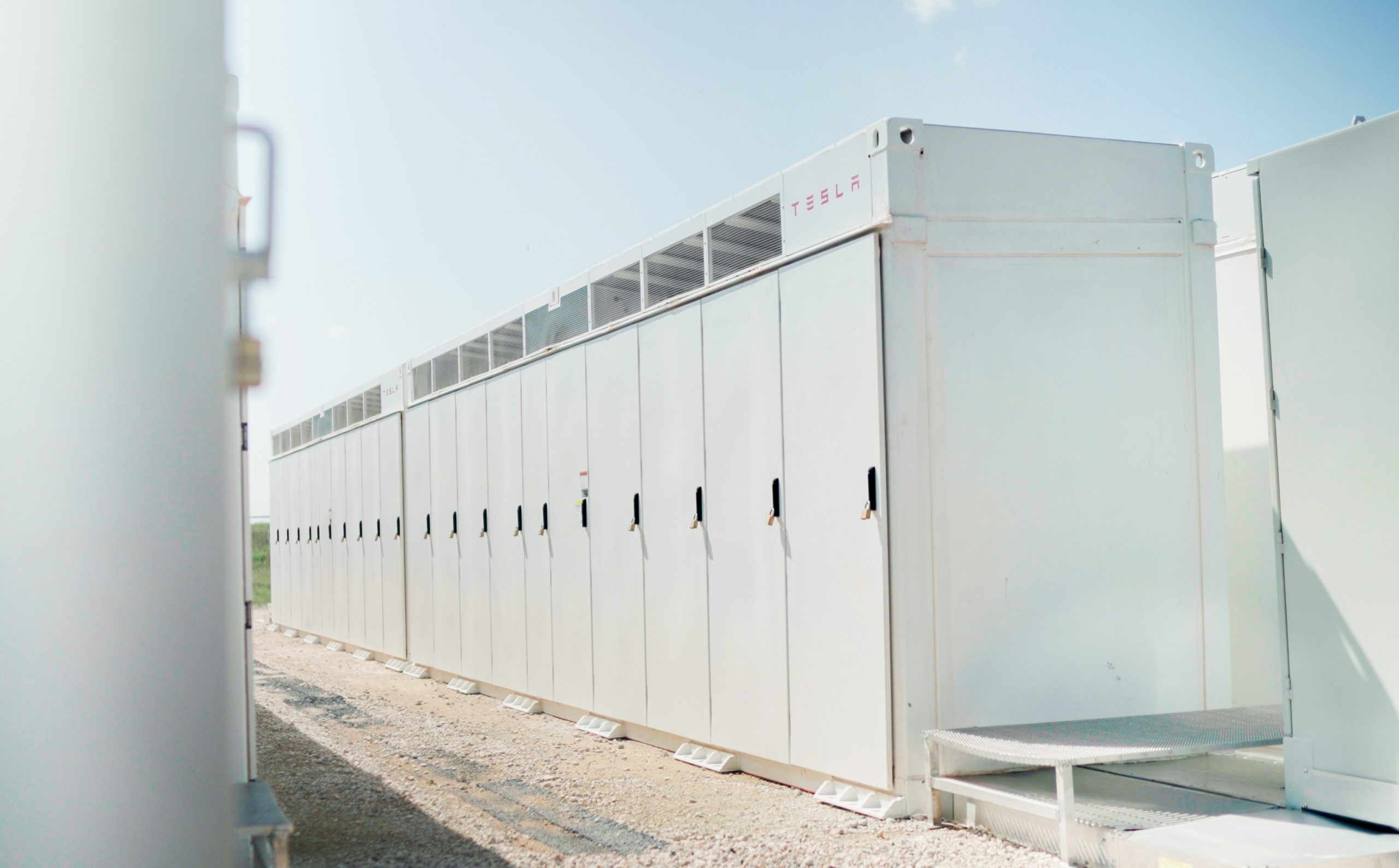
Tesla Megafactory spotted with over 80 Megapack batteries ready for delivery

Tesla’s Megafactory is the electric vehicle maker’s dedicated production plant for the Megapack, its flagship energy product designed for grid use. The Megapack is a breakthrough product for Tesla, costing about $2.1 million per 3.9 MWh unit.
The product seems widely popular, as the Megapack’s online configurator lists its estimated delivery time at Q4 2024 for orders placed today. This suggests that the backlog for Megapack orders is massive, and there is more than enough demand for the grid-scale battery.
Considering the apparent demand for the Megapack, it would be incredibly important for Tesla to ensure that it can ramp up the production of the battery as quickly as possible. If recent observations from the Tesla community are any indication, this definitely appears to be the case, as the Megafactory was recently sighted with over 80 Megapack units in its yard.
Interestingly enough, Tesla advocate Bradford Ferguson, who has been keeping tabs on the facility, observed that just ten days ago, the Megafactory’s staging area only had 41 Megapack units. If none of the Megapacks that were sighted ten days ago were shipped (which is unlikely), it would suggest that Tesla is already building more than four Megapacks per day.
And if the factory was shipping out just about 3-5 Megapack units per day, then it would suggest that the Megafactory is now producing about 7.5-9.5 units daily. Little by little, it seems that Tesla is hitting its stride in the Megapack’s production ramp.
The Tesla Megafactory in Lathrop may be dwarfed by facilities such as Gigafactory Texas in raw size, but the company has confirmed that the site could produce the grid-scale batteries en masse. As per Tesla’s year-end updates on Twitter, the Megafactory in Lathrop is capable of producing 10,000 Megapack units per year.
Don’t hesitate to contact us with news tips. Just send a message to simon@teslarati.com to give us a heads up.



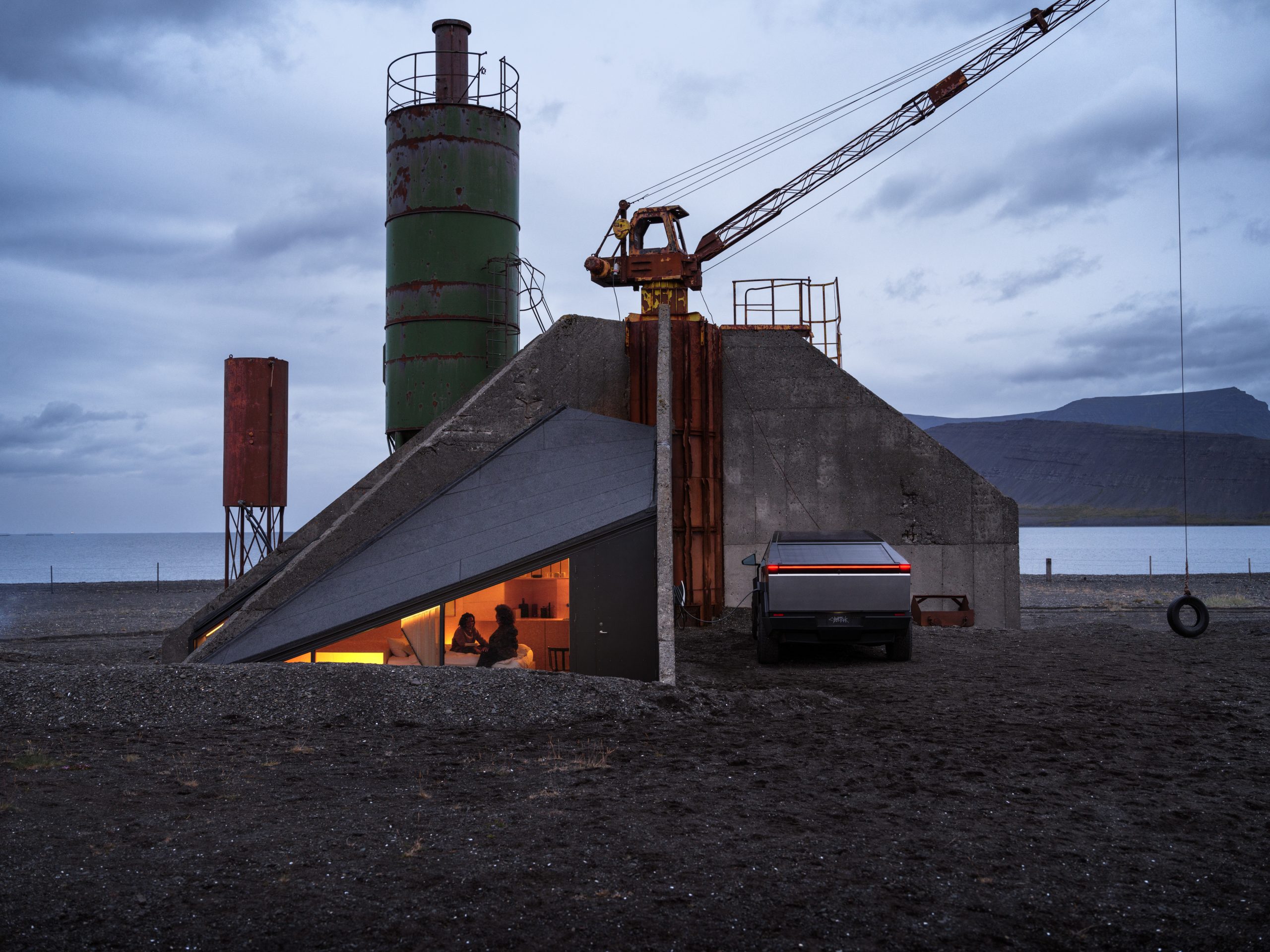
Tesla is updating Cybertruck owners on its timeline of a massive feature that has yet to ship: Powershare with Powerwall.
Powershare is a bidirectional charging feature exclusive to Cybertruck, which allows the vehicle’s battery to act as a portable power source for homes, appliances, tools, other EVs, and more. It was announced in late 2023 as part of Tesla’s push into vehicle-to-everything energy sharing, and acting as a giant portable charger is the main advantage, as it can provide backup power during outages.
Cybertruck’s Powershare system supports both vehicle-to-load (V2L) and vehicle-to-home (V2H), making it flexible and well-rounded for a variety of applications.
However, even though the feature was promised with Cybertruck, it has yet to be shipped to vehicles. Tesla communicated with owners through email recently regarding Powershare with Powerwall, which essentially has the pickup act as an extended battery.
Powerwall discharge would be prioritized before tapping into the truck’s larger pack.
However, Tesla is still working on getting the feature out to owners, an email said:
“We’re writing to let you know that the Powershare with Powerwall feature is still in development and is now scheduled for release in mid-2026.
This new release date gives us additional time to design and test this feature, ensuring its ability to communicate and optimize energy sharing between your vehicle and many configurations and generations of Powerwall. We are also using this time to develop additional Powershare features that will help us continue to accelerate the world’s transition to sustainable energy.”
Owners have expressed some real disappointment in Tesla’s continuous delays in releasing the feature, as it was expected to be released by late 2024, but now has been pushed back several times to mid-2026, according to the email.
Foundation Series Cybertruck buyers paid extra, expecting the feature to be rolled out with their vehicle upon pickup.
Cybertruck’s Lead Engineer, Wes Morrill, even commented on the holdup:
As a Cybertruck owner who also has Powerwall, I empathize with the disappointed comments.
To their credit, the team has delivered powershare functionality to Cybertruck customers who otherwise have no backup with development of the powershare gateway. As well as those with solar…
— Wes (@wmorrill3) December 12, 2025
He said that “it turned out to be much harder than anticipated to make powershare work seamlessly with existing Powerwalls through existing wall connectors. Two grid-forming devices need to negotiate who will form and who will follow, depending on the state of charge of each, and they need to do this without a network and through multiple generations of hardware, and test and validate this process through rigorous certifications to ensure grid safety.”
It’s nice to see the transparency, but it is justified for some Cybertruck owners to feel like they’ve been bait-and-switched.
Energy
Tesla starts hiring efforts for Texas Megafactory
Tesla’s Brookshire site is expected to produce 10,000 Megapacks annually, equal to 40 gigawatt hours of energy storage.
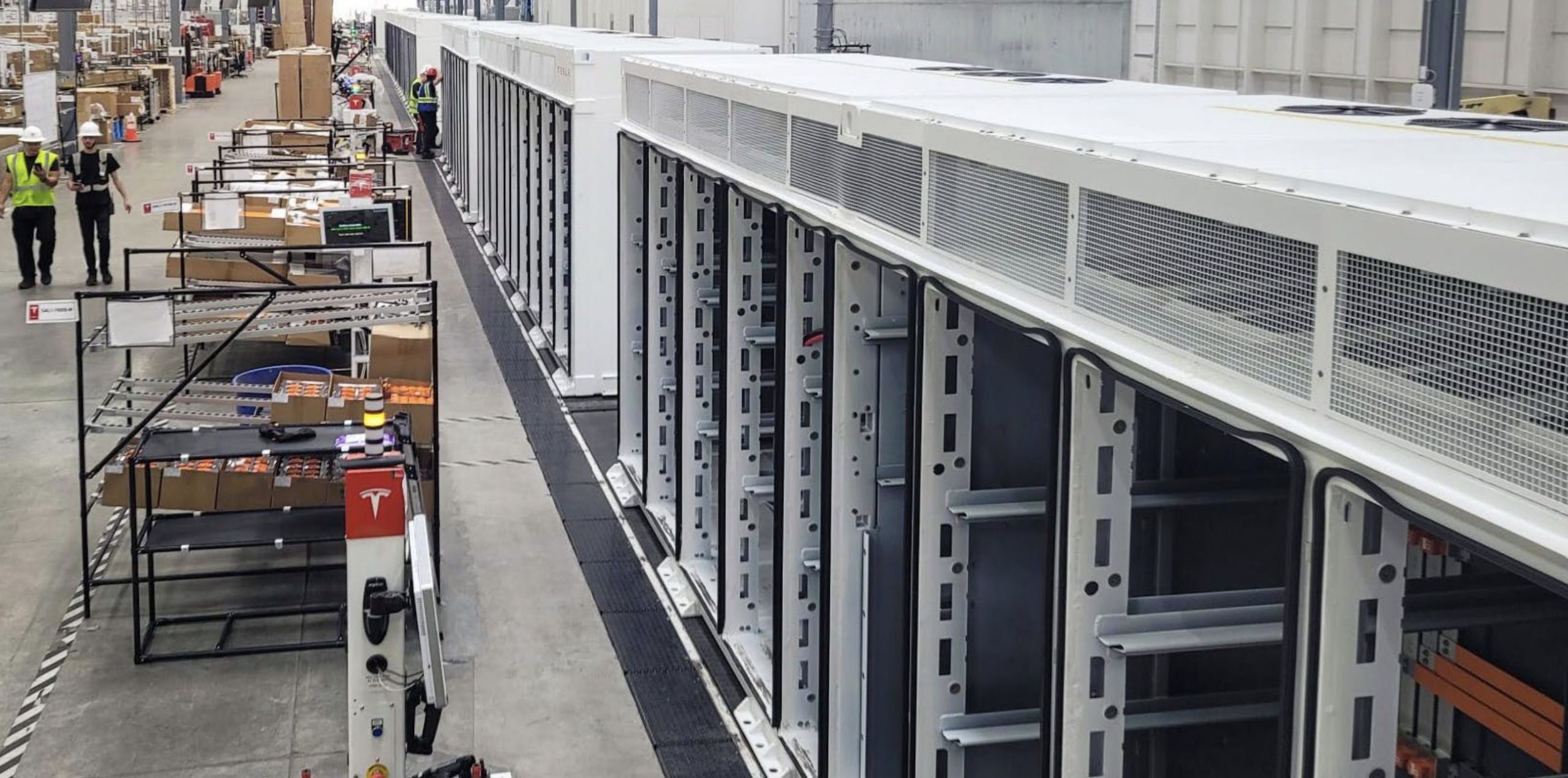
Tesla has officially begun hiring for its new $200 million Megafactory in Brookshire, Texas, a manufacturing hub expected to employ 1,500 people by 2028. The facility, which will build Tesla’s grid-scale Megapack batteries, is part of the company’s growing energy storage footprint.
Tesla’s hiring efforts for the Texas Megafactory are hinted at by the job openings currently active on the company’s Careers website.
Tesla’s Texas Megafactory
Tesla’s Brookshire site is expected to produce 10,000 Megapacks annually, equal to 40 gigawatt hours of energy storage, similar to the Lathrop Megafactory in California. Tesla’s Careers website currently lists over 30 job openings for the site, from engineers, welders, and project managers. Each of the openings is listed for Brookshire, Texas.
The company has leased two buildings in Empire West Business Park, with over $194 million in combined property and equipment investment. Tesla’s agreement with Waller County includes a 60% property tax abatement, contingent on meeting employment benchmarks: 375 jobs by 2026, 750 by 2027, and 1,500 by 2028, as noted in a report from the Houston Business Journal. Tesla is required to employ at least 1,500 workers in the facility through the rest of the 10-year abatement period.
Tesla’s clean energy boom
City officials have stated that Tesla’s arrival marks a turning point for the Texas city, as it highlights a shift from logistics to advanced clean energy manufacturing. Ramiro Bautista from Brookshire’s economic development office, highlighted this in a comment to the Journal.
“(Tesla) has great-paying jobs. Not just that, but the advanced manufacturing (and) clean energy is coming to the area,” he said. “So it’s not just your normal logistics manufacturing. This is advanced manufacturing coming to this area, and this brings a different type of job and investment into the local economy.”
Energy
Tesla and Samsung SDI in talks over new US battery storage deal: report
The update was related by industry sources and initially reported by South Korean news outlets.
Recent reports have suggested that Tesla and Samsung SDI are in talks over a potential partnership to supply batteries for large-scale energy storage systems (ESS).
The update was related by industry sources and initially reported by South Korean news outlets.
ESS batteries to be built at Samsung’s Indiana plant
As noted in a report from Korea JoongAng Daily, the demand for energy storage systems has been growing rapidly in North America, thanks in no small part to the surge in AI investments across numerous companies. With this in mind, Tesla has reportedly approached Samsung SDI about a potential battery supply deal.
The deal is reportedly worth over 3 trillion Korean won (approximately $2.11 billion) and will span three years, according to The Korea Global Economic Daily. A battery supply deal with Samsung SDI could make sense for Tesla as the company already has a grid-scale battery, the Megapack, which is perfect for industrial use. Samsung SDI could simply supply cells for the EV maker.
Production of the batteries would reportedly take place at Samsung SDI’s joint venture factory with Stellantis in Indiana, which is currently under construction. Samsung SDI recently announced plans to use part of that plant’s EV lines to produce cells for ESS, with a targeted capacity of 30 GWh by the end of next year.
Tesla and Samsung’s partnership
At present, only a handful of manufacturers, including Korea’s LG Energy Solution, Samsung SDI, SK On, and Japan’s Panasonic, are capable of producing energy storage-scale batteries domestically in the United States. A Samsung SDI official issued a comment about the matter, stating, “Nothing has been finalized regarding cooperation with Tesla.”
The possible energy storage system deal adds another layer to Tesla’s growing collaboration with Samsung, which is already in line as a partner in the upcoming production of Tesla’s AI5 and AI6 chips. Early sample manufacturing of the AI6 is expected to begin in South Korea, with mass production slated for Samsung’s Texas-based Taylor foundry when it starts operations.
The AI6 chip will power Tesla’s next wave of high-volume projects, including the Optimus humanoid robot and the autonomous Cybercab service. Musk has called the partnership with Samsung a “real collaboration,” adding that he personally plans to “walk the line” at the Taylor facility to speed up progress.

Tesla updates Cybertruck owners about key Powershare feature

Tesla’s northernmost Supercharger in North America opens


