News
Tesla’s Elon Musk approves use of cross-traffic warnings when backing up

Tesla could include cross-traffic alerts for drivers who are backing up their vehicles, according to CEO Elon Musk in a recent post on Twitter. Musk’s update was a response to a request from the @TeslaOwnersEBay group.
Cross-traffic warnings and alerts when backing a car up are used widely among many vehicles manufactured today. Hyundai is just one of the companies that utilize the feature to help lower the possibility of a collision while backing out of parking spaces, which could have low visibility because of other cars or objects being in the way.
Yes
— Elon Musk (@elonmusk) June 22, 2020
Hyundai vehicles use rear-facing sensors to detect oncoming vehicles, something that Tesla’s cars do not utilize to date. However, the electric automaker’s sustainable cars are equipped with eight cameras that are placed at strategic points to assist in Autopilot and Full Self-Driving capabilities, along with a rear-backup camera. These cameras also capture Sentry Mode clips for owners who utilize the security feature.
According to the Insurance Institute for Highway Safety, about 20% of all automotive accidents occur in parking lots. This statistic enticed the agency to perform a study on the benefits of parking assistance features. According to the survey, 71% of the 640 crashes that occurred during the investigation involved “backing into a moving vehicle.” About 5% of all the crashes that occurred resulted in injuries.
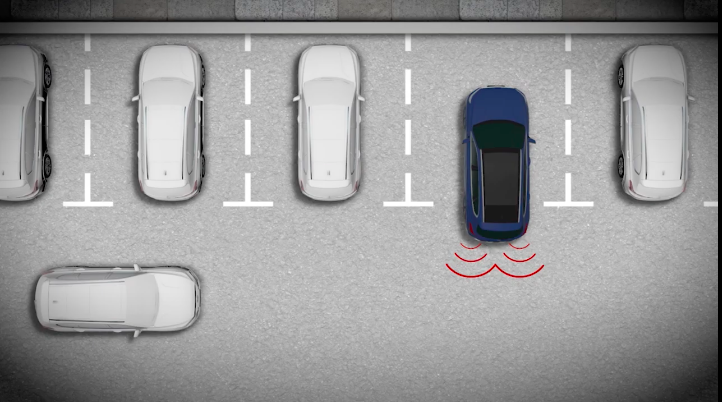
The study ultimately found that backup assistance systems were ideal for preventing accidents that involve cars traveling in reverse. “Rear cross-traffic alert is a good complement to rearview cameras,” Jessica Cicchino, the author of the study, said. “These technologies should help drivers feel more confident when backing up, especially when their view is obstructed by taller vehicles or garage pillars.”
Tesla has made strides to improve the backup camera used in its vehicles.
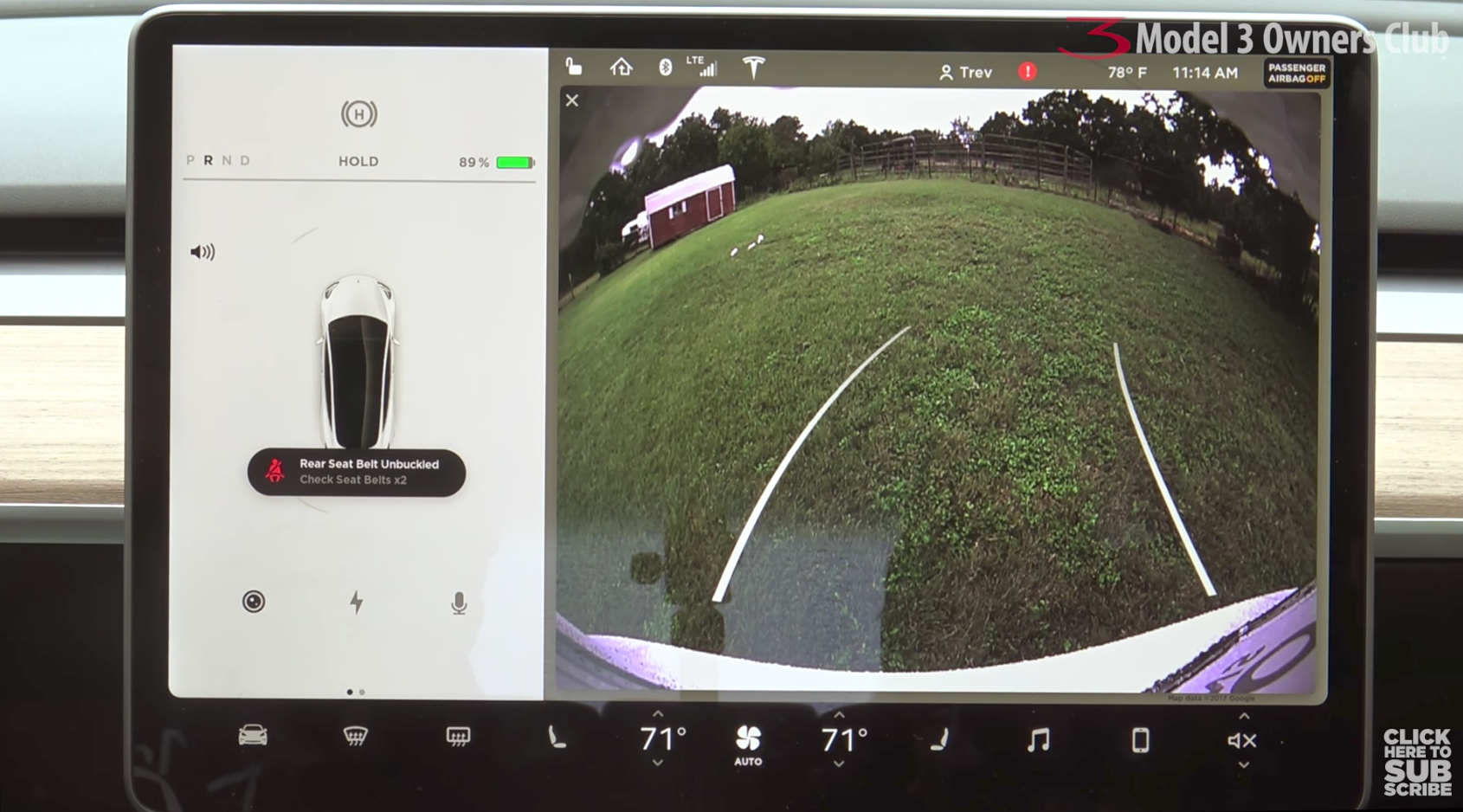
In 2018, Tesla upgraded the picture quality of the Model 3 backup camera through a software update. The improvement in camera sharpness and definition helped drivers get a clearer view of their surroundings. However, the wide-angle lens that Tesla has continued to use on its vehicles does not alert of blind spots when backing a car up. Recent software updates have included access to the side cameras for better guidance when reversing, but cross-traffic warnings would make this system even better.
Five years ago, the NHTSA indicated that 188,000 passenger vehicles were involved in crashes from vehicles traveling in reverse. This striking figure may have influenced more automakers to add safety features that would eliminate many of these instances from occurring. Considering Tesla’s focus on safety, Elon Musk’s acknowledgement of cross-traffic warnings is quite unsurprising.


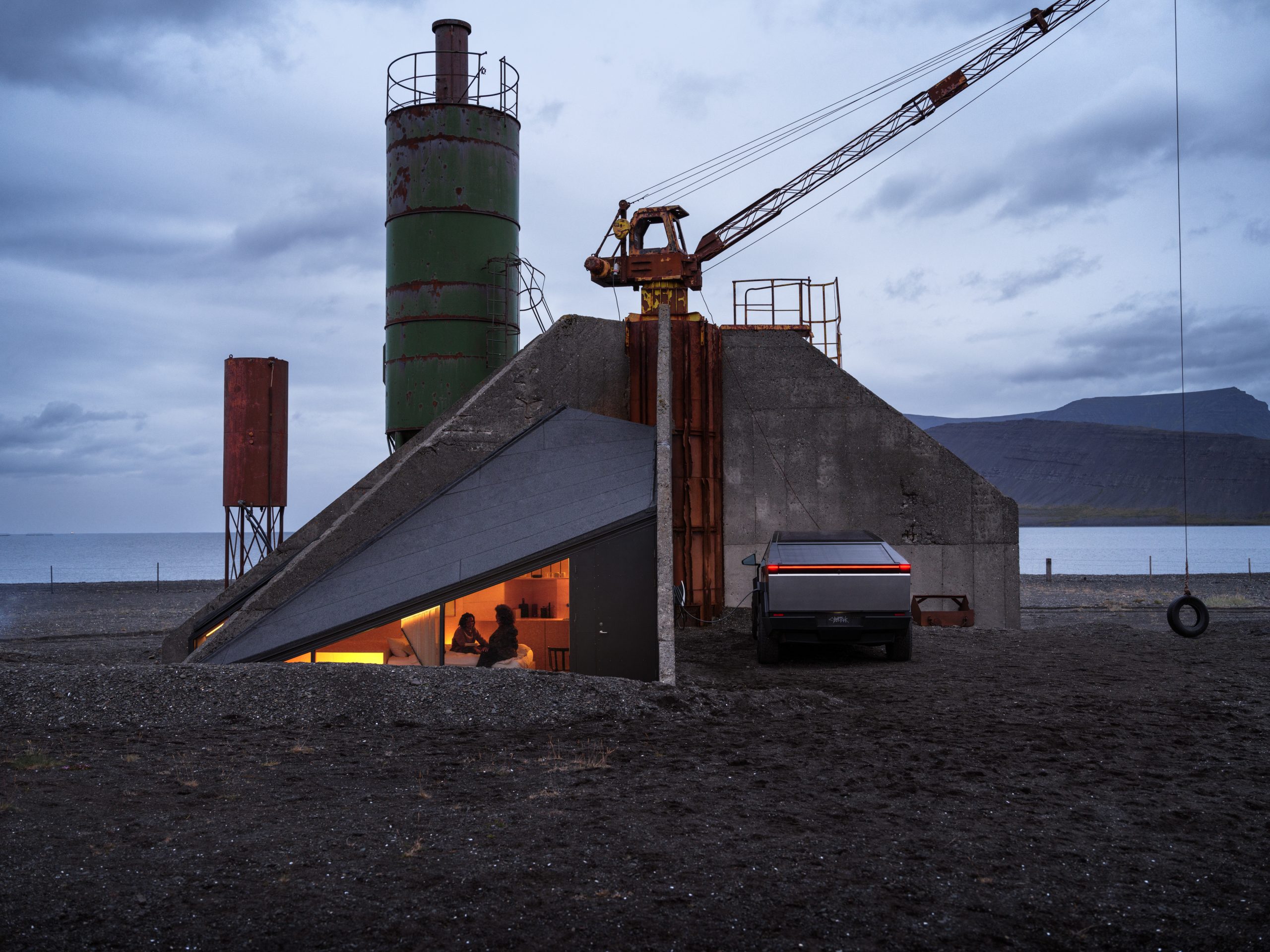
Tesla is updating Cybertruck owners on its timeline of a massive feature that has yet to ship: Powershare with Powerwall.
Powershare is a bidirectional charging feature exclusive to Cybertruck, which allows the vehicle’s battery to act as a portable power source for homes, appliances, tools, other EVs, and more. It was announced in late 2023 as part of Tesla’s push into vehicle-to-everything energy sharing, and acting as a giant portable charger is the main advantage, as it can provide backup power during outages.
Cybertruck’s Powershare system supports both vehicle-to-load (V2L) and vehicle-to-home (V2H), making it flexible and well-rounded for a variety of applications.
However, even though the feature was promised with Cybertruck, it has yet to be shipped to vehicles. Tesla communicated with owners through email recently regarding Powershare with Powerwall, which essentially has the pickup act as an extended battery.
Powerwall discharge would be prioritized before tapping into the truck’s larger pack.
However, Tesla is still working on getting the feature out to owners, an email said:
“We’re writing to let you know that the Powershare with Powerwall feature is still in development and is now scheduled for release in mid-2026.
This new release date gives us additional time to design and test this feature, ensuring its ability to communicate and optimize energy sharing between your vehicle and many configurations and generations of Powerwall. We are also using this time to develop additional Powershare features that will help us continue to accelerate the world’s transition to sustainable energy.”
Owners have expressed some real disappointment in Tesla’s continuous delays in releasing the feature, as it was expected to be released by late 2024, but now has been pushed back several times to mid-2026, according to the email.
Foundation Series Cybertruck buyers paid extra, expecting the feature to be rolled out with their vehicle upon pickup.
Cybertruck’s Lead Engineer, Wes Morrill, even commented on the holdup:
As a Cybertruck owner who also has Powerwall, I empathize with the disappointed comments.
To their credit, the team has delivered powershare functionality to Cybertruck customers who otherwise have no backup with development of the powershare gateway. As well as those with solar…
— Wes (@wmorrill3) December 12, 2025
He said that “it turned out to be much harder than anticipated to make powershare work seamlessly with existing Powerwalls through existing wall connectors. Two grid-forming devices need to negotiate who will form and who will follow, depending on the state of charge of each, and they need to do this without a network and through multiple generations of hardware, and test and validate this process through rigorous certifications to ensure grid safety.”
It’s nice to see the transparency, but it is justified for some Cybertruck owners to feel like they’ve been bait-and-switched.
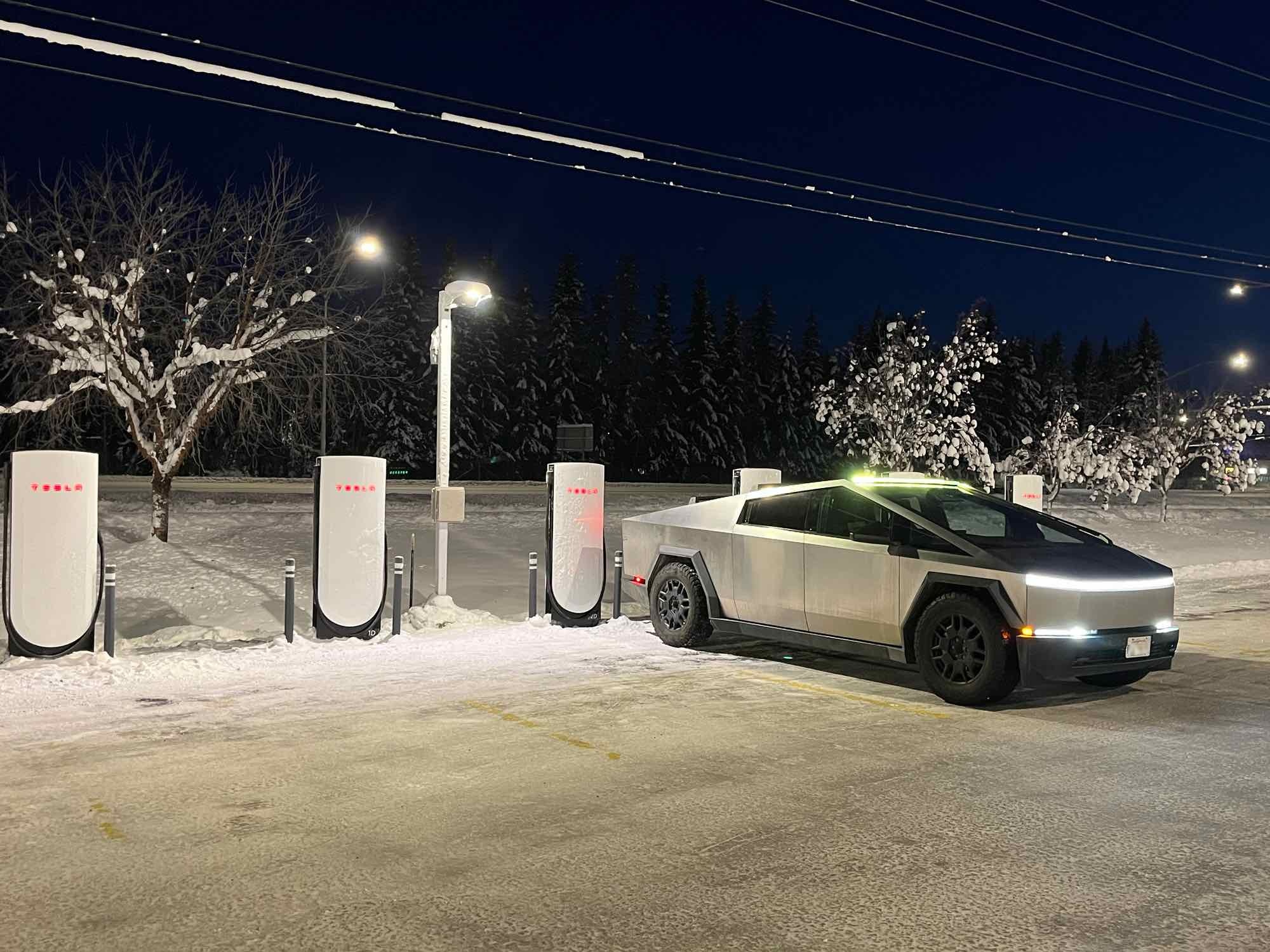
Tesla has opened its northernmost Supercharger in Fairbanks, Alaska, with eight V4 stalls located in one of the most frigid cities in the U.S.
Located just 196 miles from the Arctic Circle, Fairbanks’s average temperature for the week was around -12 degrees Fahrenheit. However, there are plenty of Tesla owners in Alaska who have been waiting for more charging options out in public.
There are only 36 total Supercharger stalls in Alaska, despite being the largest state in the U.S.
Eight Superchargers were added to Fairbanks, which will eventually be a 48-stall station. Tesla announced its activation today:
North America’s northernmost Supercharger Fairbanks, AK (8 stalls) opened to public. https://t.co/M4l04DZ6B5 pic.twitter.com/zyL6bDuA93
— Tesla Charging (@TeslaCharging) December 12, 2025
The base price per kWh is $0.43 at the Fairbanks Supercharger. Thanks to its V4 capabilities, it can charge at speeds up to 325 kW.
Despite being the northernmost Supercharger in North America, it is not even in the Top 5 northernmost Superchargers globally, because Alaska is south of Norway. The northernmost Supercharger is in Honningsvåg, Norway. All of the Top 5 are in the Scandanavian country.
Tesla’s Supercharger expansion in 2025 has been impressive, and although it experienced some early-quarter slowdowns due to V3-to-V4 hardware transitions, it has been the company’s strongest year for deployments.
🚨🚨 Tesla Supercharging had a HUGE year, and they deserve to be recognized.
🍔 Opened Tesla Diner, a drive-in movie theater with awesome, Chef-curated cuisine
🔌 Gave access to Superchargers to several EV makers, including Hyundai, Genesis, Mercedes-Benz, Kia, Lucid, Toyota,… pic.twitter.com/yYT2QEbqoW
— TESLARATI (@Teslarati) December 10, 2025
Through the three quarters of 2025, the company has added 7,753 stations and 73,817 stalls across the world, a 16 percent increase in stations and an 18 percent increase in stalls compared to last year.
Tesla is on track to add over 12,000 stalls for the full year, achieving an average of one new stall every hour, an impressive statistic.
Recently, the company wrapped up construction at its Supercharger Oasis in Lost Hills, California, a 168-stall Supercharger that Tesla Solar Panels completely power. It is the largest Supercharger in the world.
News
Tesla shocks with latest Robotaxi testing move
Why Tesla has chosen to use a couple of Model S units must have a reason; the company is calculated in its engineering and data collection efforts, so this is definitely more than “we just felt like giving our drivers a change of scenery.”
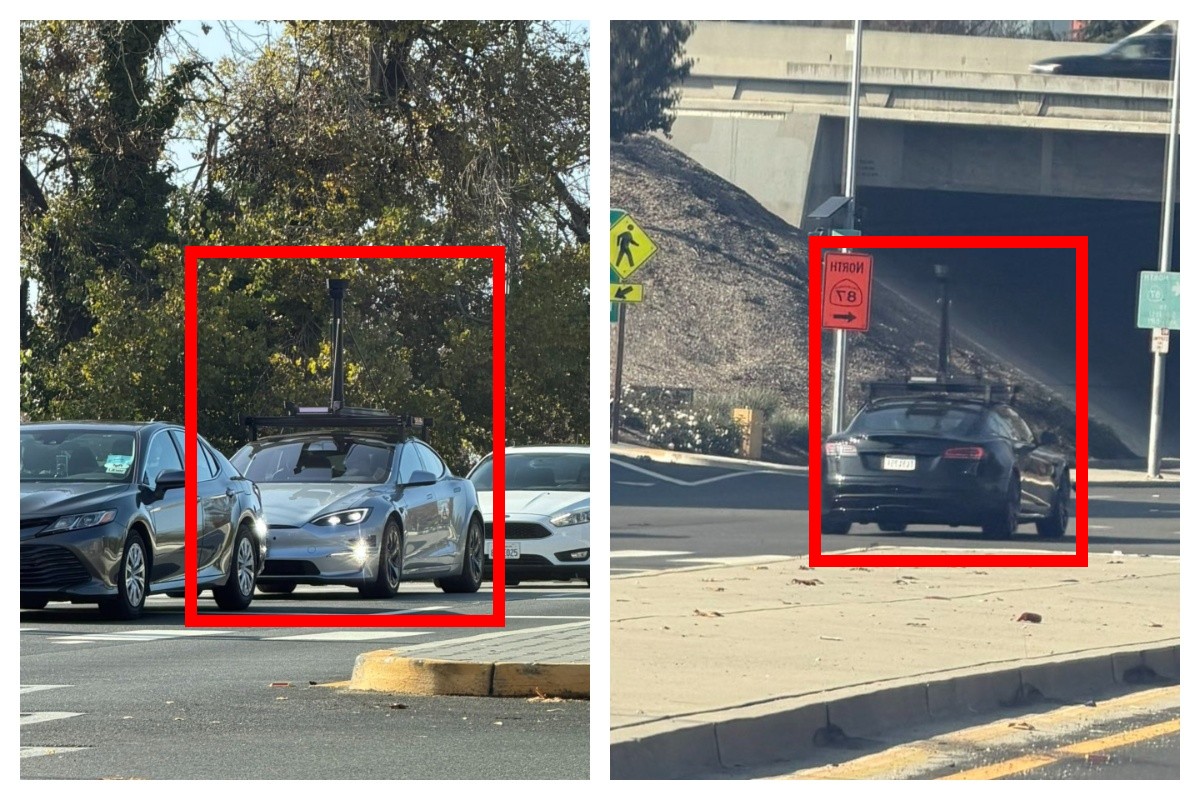
Tesla Model S vehicles were spotted performing validation testing with LiDAR rigs in California today, a pretty big switch-up compared to what we are used to seeing on the roads.
Tesla utilizes the Model Y crossover for its Robotaxi fleet. It is adequately sized, the most popular vehicle in its lineup, and is suitable for a wide variety of applications. It provides enough luxury for a single rider, but enough room for several passengers, if needed.
However, the testing has seemingly expanded to one of Tesla’s premium flagship offerings, as the Model S was spotted with the validation equipment that is seen entirely with Model Y vehicles. We have written several articles on Robotaxi testing mules being spotted across the United States, but this is a first:
🚨 Tesla is using Model S vehicles fitted with LiDAR rigs to validate FSD and Robotaxi, differing from the Model Ys that it uses typically
Those Model Y vehicles have been on the East Coast for some time. These Model S cars were spotted in California https://t.co/CN9Bw5Wma8 pic.twitter.com/UE55hx5mdd
— TESLARATI (@Teslarati) December 11, 2025
Why Tesla has chosen to use a couple of Model S units must have a reason; the company is calculated in its engineering and data collection efforts, so this is definitely more than “we just felt like giving our drivers a change of scenery.”
It seems to hint that Tesla could add a premium, more luxury offering to its Robotaxi platform eventually. Think about it: Uber has Uber Black, Lyft has Lyft Black. These vehicles and services are associated with a more premium cost as they combine luxury models with more catered transportation options.
Tesla could be testing the waters here, and it could be thinking of adding the Model S to its fleet of ride-hailing vehicles.
Reluctant to remove the Model S from its production plans completely despite its low volume contributions to the overall mission of transitioning the world to sustainable energy, the flagship sedan has always meant something. CEO Elon Musk referred to it, along with its sibling Model X, as continuing on production lines due to “sentimental reasons.”
However, its purpose might have been expanded to justify keeping it around, and why not? It is a cozy, premium offering, and it would be great for those who want a little more luxury and are willing to pay a few extra dollars.
Of course, none of this is even close to confirmed. However, it is reasonable to speculate that the Model S could be a potential addition to the Robotaxi fleet. It’s capable of all the same things the Model Y is, but with more luxuriousness, and it could be the perfect addition to the futuristic fleet.

Tesla updates Cybertruck owners about key Powershare feature

Tesla’s northernmost Supercharger in North America opens


