News
Tesla Diner becomes latest target of gloom and doom narrative

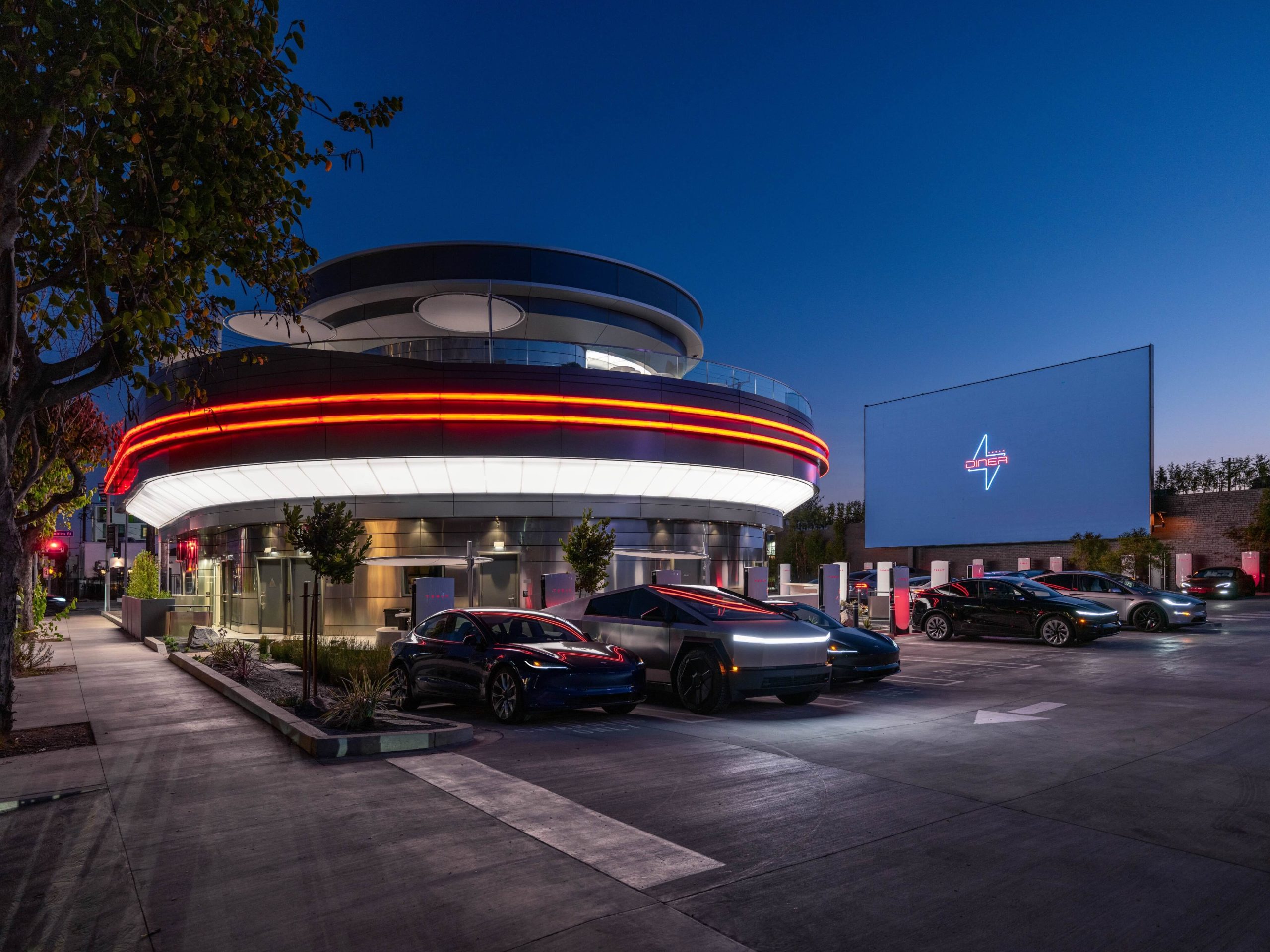
The Tesla Diner has been subject to many points of criticism since its launch in mid-2025, and skeptics and disbelievers claim the company’s latest novel concept is on its way down, but there’s a lot of evidence to state that is not the case.
The piece cites anecdotal evidence like empty parking lots, more staff than customers during a December visit, removed novelty items, like Optimus robot popcorn service and certain menu items, the departure of celebrity chef Eric Greenspan in November 2025, slow service, high prices, and a shift in recent Google/Yelp reviews toward disappointment.
The piece frames this as part of broader Tesla struggles, including sales figures and Elon Musk’s polarizing image, calling it a failed branding exercise rather than a sustainable restaurant.
This narrative is overstated and sensationalized, and is a good representation of coverage on Tesla by today’s media.
Novelty Fade is Normal, Not Failure
Any hyped launch, especially a unique Tesla-branded destination blending dining, Supercharging, and a drive-in theater, naturally sees initial crowds taper off after the “Instagram effect” wears down.
Tesla makes major change at Supercharger Diner amid epic demand
This is common for experiential spots in Los Angeles, especially pop-up attractions or celebrity-backed venues. The article admits early success with massive lines and social media buzz, but treats the return to normal operations as “dying down.”
In reality, this stabilization is a healthy sign of transitioning from hype-driven traffic to steady patronage.
Actual Performance Metrics Contradict “Ghost Town” Claims
- In Q4 2025, the Diner generated over $1 million in revenue, exceeding the average McDonald’s location
- It sold over 30,000 burgers and 83,000 fries in that quarter alone. These figures indicate a strong ongoing business, especially for a single-location prototype focused on enhancing Supercharger experiences rather than competing as a mass-market chain
It’s not a ghost town lol. The @Tesla Diner still had over 30,000 burger orders and 83,000 fries orders in Q4. The diner generated over $1M in revenue in Q4, a $4M annual run rate, which is more than the average McDonald’s…. pic.twitter.com/XvAGLUqxej
— Sawyer Merritt (@SawyerMerritt) January 4, 2026
Conflicting On-the-Ground Reports
While the article, and other similar pieces, describe a half-full parking lot and sparse customers during specific off-peak visits, other recent accounts push back:
- A January 2026 X post noted 50 of 80 Supercharger stalls were busy at 11 a.m., calling it “the busiest diner in Hollywood by close to an order of magnitude
TESLA DINER 🍔
Frantic!!!
Crazy busy. pic.twitter.com/wMbmr8SFFn
— Rich & Sharon (@HullTeslaModel3) January 4, 2026
- Reddit discussions around the same time describe it as not empty when locals drive by regularly, with some calling the empty narrative “disingenuous anti-Tesla slop.”
When we visited it last week it was packed. We had to wait to enter, get a table and go to the restroom. We were lucky to find a spot to charge.
— Rani G (@ranig) January 4, 2026
Bottom Line
The Tesla Diner, admittedly, is not the nonstop circus it was at launch–that was never sustainable or intended. But, it’s far from “dying” or an “empty pit stop.”
It functions as a successful prototype: boosting Supercharger usage, generating solid revenue, and serving as a branded amenity in the high-traffic EV market of Los Angeles.


Florida Governor Ron DeSantis has sharply criticized legacy media outlets for what he describes as selective and biased reporting on vehicle accidents involving Tesla. In a recent X post, DeSantis questioned why headlines routinely spotlight the Tesla brand in crash stories, even when human error is the clear cause, while similar incidents with other automakers often receive generic treatment.
A prime example is the June 19, 2026, fatal crash in Katy, Texas. A Tesla Model 3 driven by Michael Butler struck a brick home at high speed, killing 76-year-old Martha Avila inside. Initial reports and headlines prominently featured “Tesla crash” and referenced the driver’s claim that an automated driving-assistance system was engaged.
Many outlets quickly speculated that Full Self-Driving or Autopilot were the cause of the crash, immediately blaming the suites for the accident shortly after it happened.
However, Tesla responded shortly after the accident with vehicle data that showed Butler manually overrode the system by pressing the accelerator to 100 percent, reaching 73 MPH in a residential area, more than double the speed limit. The accelerator remained floored after impact.
Tesla finally clarifies fatal Texas crash, confirms driver manually overrode acceleration
The National Transportation Safety Board (NTSB) later confirmed these findings, and Butler now faces manslaughter charges. His phone searches also included queries like “Tesla FSD too timid,” suggesting he may have intervened aggressively. Despite this, many headlines continued to center Tesla’s technology rather than the driver’s actions.
DeSantis highlighted a Washington Post headline, which was labeled, “Newly released photo shows wreckage of Tesla crash that killed grandmother.”
Do legacy media outlets typically use headlines involving the make of a car in a crash or is that only for Tesla?
It would be one thing if the self-driving malfunctioned but the crash was purely human-induced.
Seems like these outlets want to associate Tesla with crashes as… pic.twitter.com/EmfyeYiuv6
— Ron DeSantis (@RonDeSantis) July 17, 2026
The subheadline noted the driver overrode assistance and floored the accelerator, yet the brand name dominated the framing. He asked whether legacy outlets typically name the make of a car in routine crashes or reserve that treatment for Tesla to push a narrative.
This pattern appears widespread. Crashes involving Ford, Chevrolet, or Toyota vehicles frequently appear as “pickup truck slams into home” or “fatal car crash kills pedestrian” without brand specifics, especially absent new technology angles.
High-profile Ford F-150 or Chevy Silverado incidents tied to large sales volumes often escape brand-callout scrutiny. In contrast, Tesla stories consistently lead with the manufacturer, amplifying perceptions of risk despite data showing strong overall safety performance:
🚨 Why do Tesla Owners get so defensive over the narrative of crashes involving Teslas? https://t.co/aX7ogtjTCR pic.twitter.com/KO4QWaLOKl
— TESLARATI (@Teslarati) June 24, 2026
Tesla’s own 2025 Impact Report indicates vehicles using FSD logged 0.19 major incidents per million miles, roughly eight times fewer than the U.S. average. Models like the Model Y also rank among the safest in IIHS and NHTSA testing for occupant protection. Critics argue disproportionate coverage ignores these statistics and driver behavior factors, such as younger or more aggressive Tesla owners in some studies.
DeSantis frames this as part of a broader political agenda against innovative American companies like Tesla. By consistently naming Tesla while downplaying others, media outlets risk eroding public trust and shaping perceptions detached from the evidence of human error in most cases.
As autonomous technology evolves across the industry, consistent and factual reporting will be essential to separate real safety concerns from narrative-driven coverage.
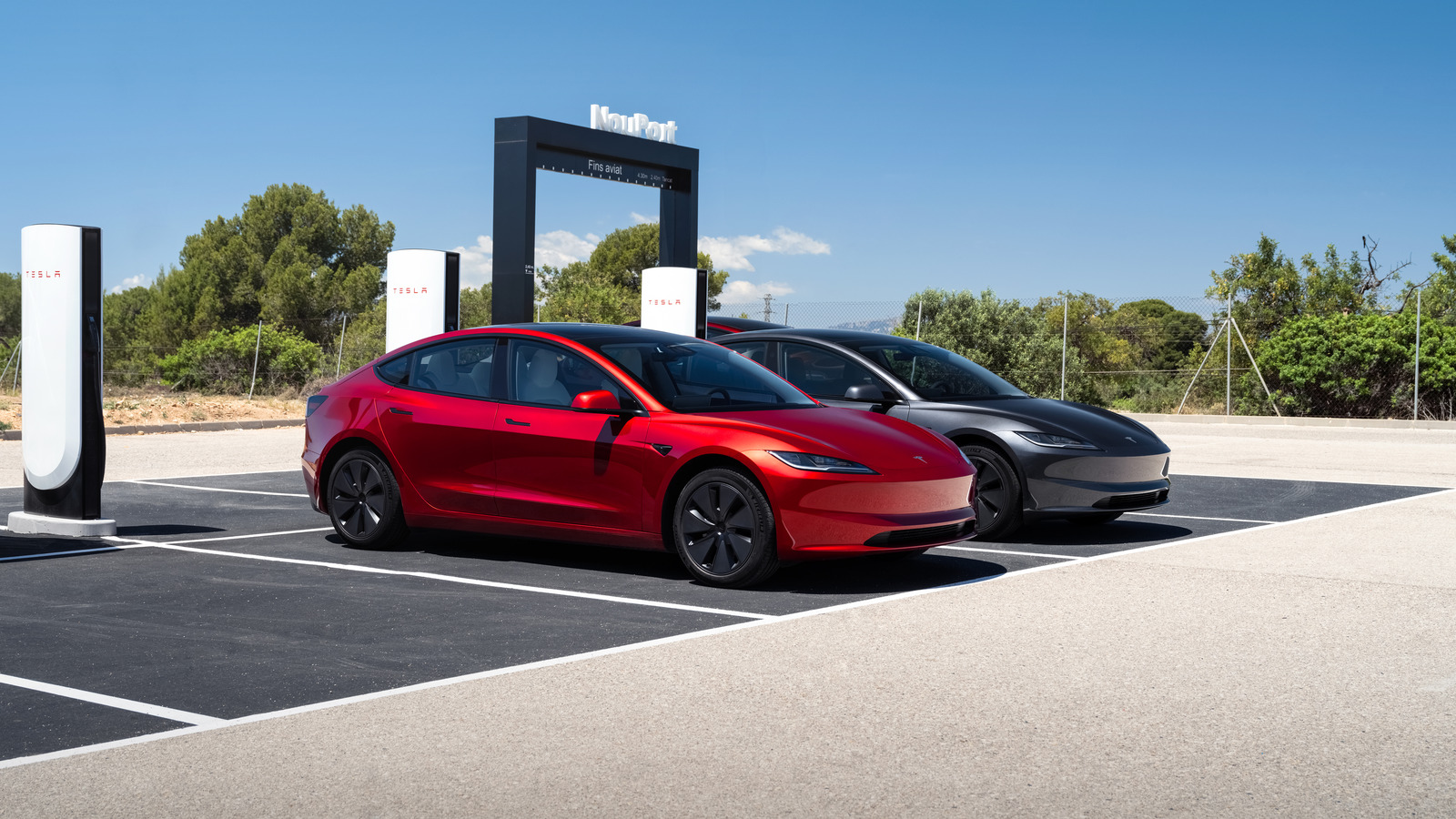
Tesla entered two new markets this week by advancing its presence in Latvia (Europe) and officially launching operations in Uruguay (South America), marking a rapid dual-continent expansion.
These moves underscore the company’s strategy to tap into emerging EV markets with supportive policies, renewable energy grids, and growing demand for sustainable transport.
Latvia: Strengthening the Baltic Footprint
In Latvia, Tesla has built on its earlier registration of Tesla Latvia SIA in late 2025 with recent steps toward full operations, including job postings for a service center and representation in Riga. This aligns with broader Baltic expansion following Lithuania’s model of pop-up stores and service centers.
Coming to Latvia https://t.co/XNkQQJ2O6a pic.twitter.com/yS9kpcNky1
— Tesla Europe, Middle East & Africa (@teslaeurope) July 17, 2026
EV penetration in Latvia stands at around 7 percent for BEVs in new passenger car registrations. 2025 data showed 1,602 BEVs out of about 22,500 total, or 7.1 percent, with combined plug-ins nearing 19 percent. Growth has been steady but below the European average, supported by government subsidies and infrastructure development. Tesla models like the Model 3 lead local EV registrations.
Vehicles for the Latvian market will likely be sourced from Gigafactory Berlin or Gigafactory Shanghai. Charging infrastructure is robust for the region as well, with over 400- 2,000 public points, with Tesla Superchargers in Riga, Jūrmala, and along Via Baltica routes offering up to 250 kW.
Uruguay: Third South American Country
Tesla teased its Uruguay arrival with “Estamos llegando,” or, “We are arriving,” on social media, followed by an official presentation scheduled for mid-July.
Hola Uruguay 🇺🇾
Nuestros Model 3 y Model Y están cada vez mas cerca! pic.twitter.com/FR41fsA7um
— Tesla Latinoamérica (@Tesla_LatAm) June 30, 2026
The company established Tesla Uruguay SAS, homologated Model 3 and Model Y (three versions each), and appointed local leadership. This makes Uruguay Tesla’s third official South American market after Chile and Colombia.
Uruguay boasts one of Latin America’s highest EV penetrations, with battery-electric vehicles exceeding 20 percent market share recently, driven by tax incentives, high fuel prices, and a nearly 95-100 percent renewable electricity grid. Hundreds of Teslas already operate via grey imports, but official sales bring warranties, service, and support.
Vehicles will be imported from Gigafactory Shanghai, enabling competitive pricing for Model 3 and Model Y. Charging plans include Supercharger development alongside existing infrastructure, leveraging the country’s green energy advantage for affordable operation.
Tesla Superchargers follow Model 3 and Model Y to South American country
Tesla’s Dual Continent Expansion
Tesla’s simultaneous push into Latvia and Uruguay demonstrates efficient scaling: prioritizing service and infrastructure first, then direct sales in high-potential niches. In Europe, it fills Baltic gaps; in Latin America, it counters Chinese dominance while leveraging renewables.
This dual move signals Tesla’s ambition to accelerate global EV adoption amid varying regional paces. By addressing local needs, like subsidies in Latvia or incentives and green grids in Uruguay, Tesla not only boosts volumes but advances its mission of sustainable energy.
For investors and consumers, it highlights resilience and opportunity in diverse markets, potentially paving the way for further growth in underserved regions. With strong fundamentals in both, these entries could yield long-term gains as EV transitions mature worldwide.
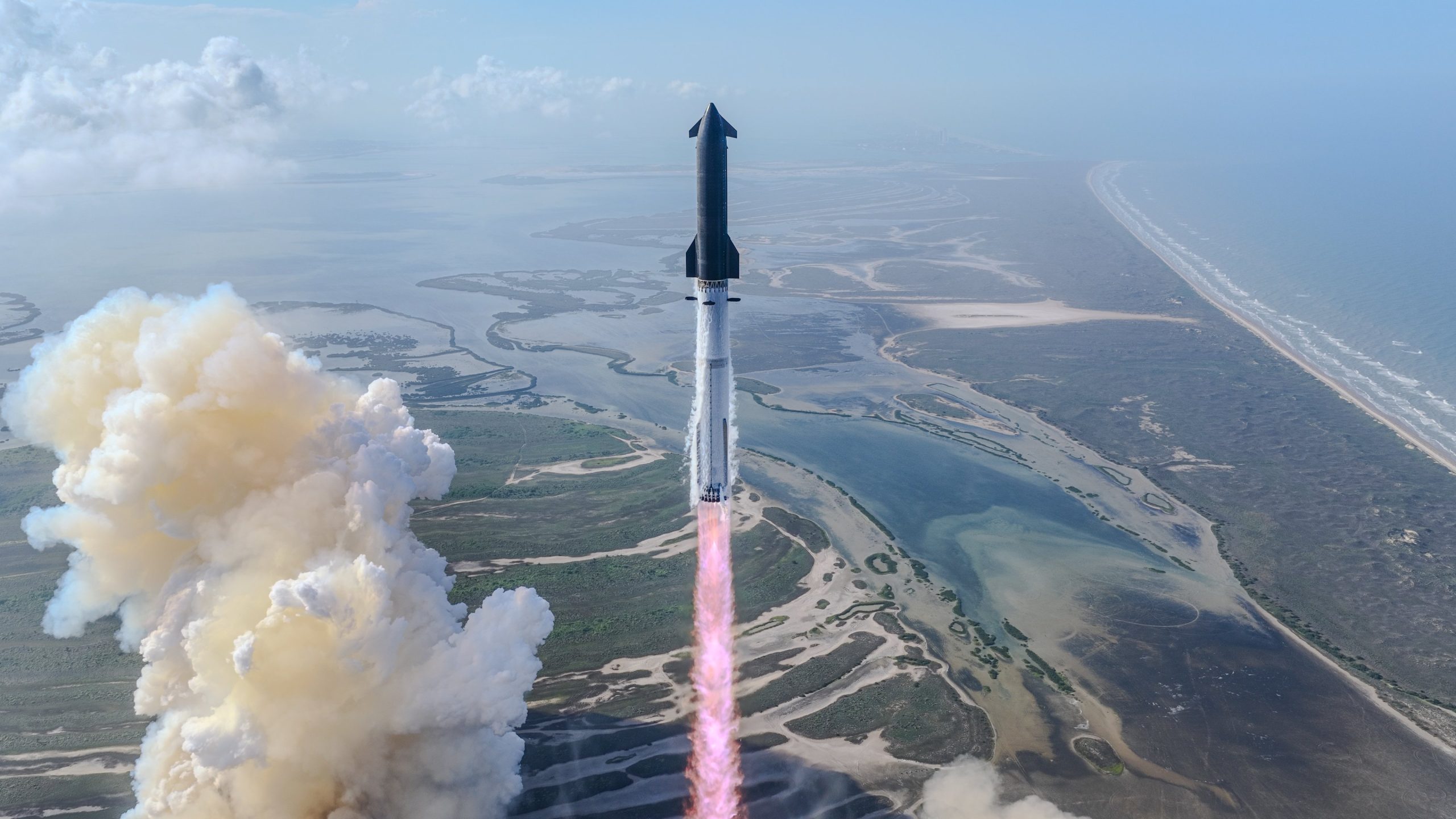
SpaceX has announced a new target date for the thirteenth test flight of Starship: Monday, July 20, with the launch window opening at 6:45 p.m ET/5:45 p.m. CT.
This is the first rescheduling attempt of Starship’s 13th test flight. It was set to launch last night, but SpaceX scrubbed the launch attempt.
🚨 SpaceX is now looking at Monday, July 20th at 6:45 p.m ET/5:45 p.m. CT for the 13th test flight of Starship pic.twitter.com/7s8aMJV5Ge
— TESLARATI (@Teslarati) July 17, 2026
CEO Elon Musk revealed that some of the engines on Starship did not start, which automatically triggers a launch abort. Two of the Raptor engines will be removed and replaced.
To be confident of a good flight, 2 Raptors will be removed & replaced. Most probable launch timing is early next week.
— Elon Musk (@elonmusk) July 17, 2026
SpaceX officially announced the new launch window this morning.
Starship’s 13th test launch comes with a few new objectives, but SpaceX does not plan to attempt a catch of the booster, which it has done several times in the past.
For Starship’s Upper Stage, there are some adjustments to ensure engine reusability that will be assessed during the ascent, and 20 operational Starlink V3 satellites are also set to make their way into space. SpaceX also plans to attempt an in-space relight of a single Raptor engine, which is a critical demonstration for future orbital deorbit, refueling, and deep space maneuvers.
Ultimately, it will splash down in the Indian Ocean.
The continuous tests help SpaceX advance the Starship program toward eventual full reusability, operational Starlink V3 deployment, and future missions, which include NASA’s Artemis program.

Ron DeSantis calls out media bias in Tesla crash coverage

Tesla enters two new markets on two different continents in one week


