News
SpaceX is building launch pad tanks out of Starship parts and that’s a big deal

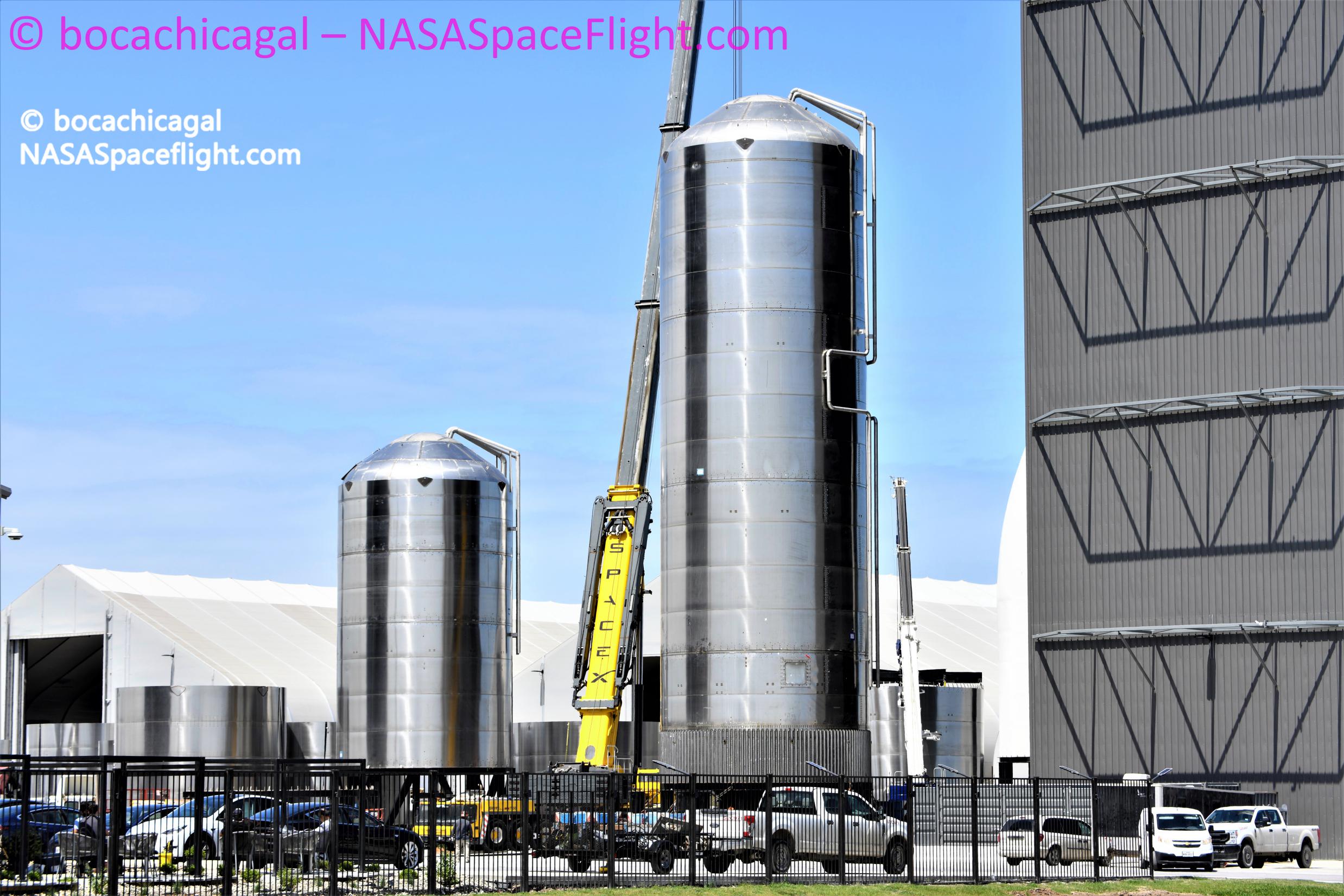
SpaceX has begun installing the first of numerous propellant storage tanks at its first orbital South Texas launch facilities – a mostly ordinary and expected step made extraordinary by the fact that those tanks will be built out of Starship parts.
Labeled “GSE” for Ground Support Equipment, the first signs of those self-built storage tanks began appearing at SpaceX’s Boca Chica Starship factory less than two months ago in mid-February. A matter of weeks later, the first of those SpaceX-brand cryogenic storage tanks is off to the launch site for installation (and insulation) while at least two more tanks are well on their way to completion.
While a few ground starge tanks may look like a distraction in the scope of a program tasked with building the world’s largest (and fully reusable) rocket, the existence of those tanks is far more significant than it might initially appear.
Simply put, rocket propellant storage – even for extremely cold cryogenic liquids like those that SpaceX uses – is a thoroughly solved problem. Numerous commercial vendors exist and industrial demand for practically identical tanks is far higher, further lowering commercial tank costs even for those with niche use-cases thanks to economies of scale. For SpaceX’s purposes, major discounts could like be secured given that the company would need to purchase around three to four-dozen commercial-off-the-shelf (COTS) 100,000 gallon tanks to supply a launch pad with enough commodities for two back-to-back launches of Starship and Super Heavy.
That initial launch capability – which SpaceX appears to be working towards – would likely allow the company to start orbital refueling test flights (and Starlink launches, perhaps) immediately after completion. However, that initial capability wouldn’t suffice for ambitious missions to Mars, the Moon, or higher Earth orbits; where one Starship would need to be rapidly refueled with 3-10+ tanker launches. A launch facility capable of supporting 5-10 back-to-back launches (optimally just a few hours apart) would require many times more propellant storage.
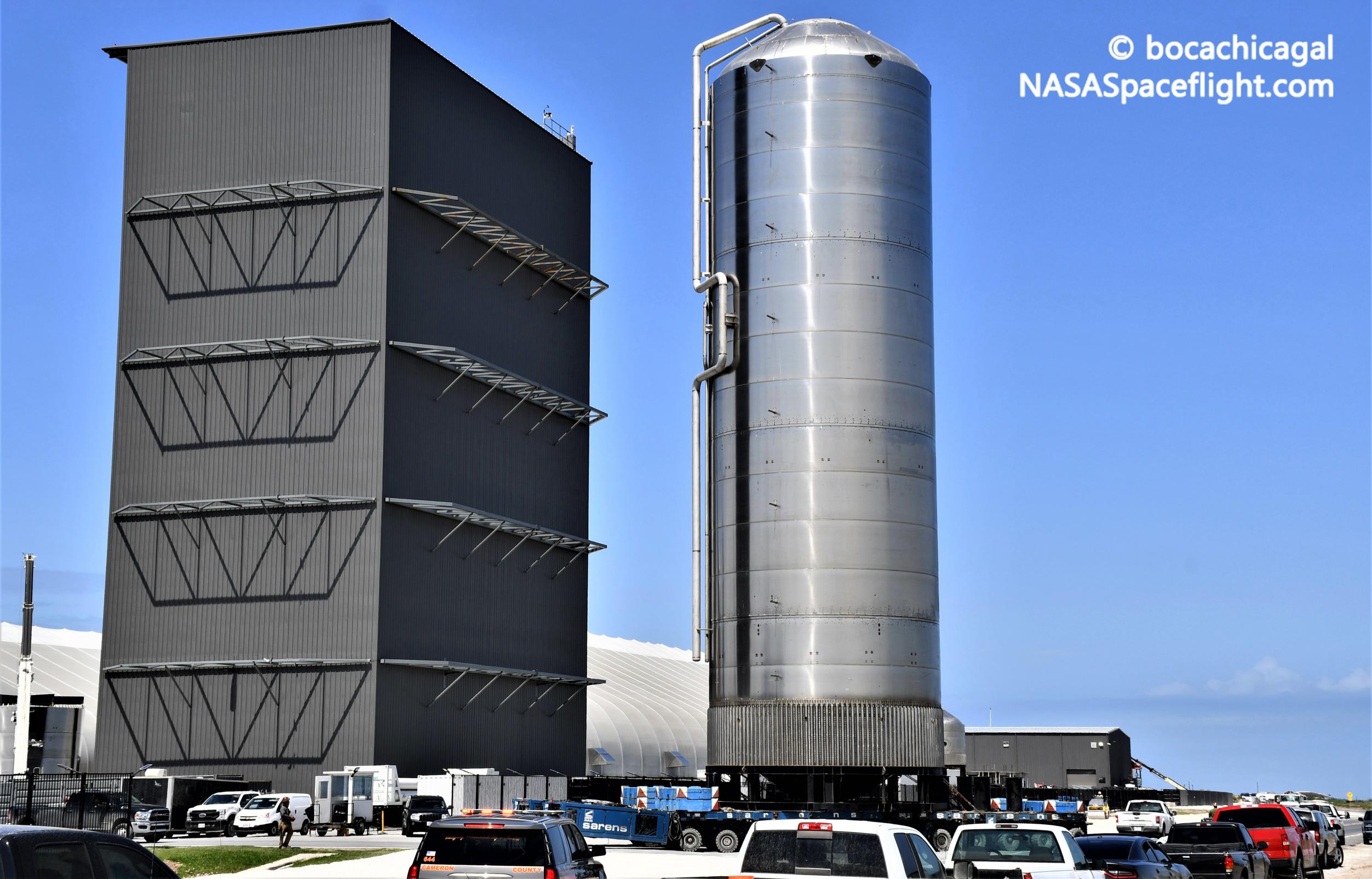
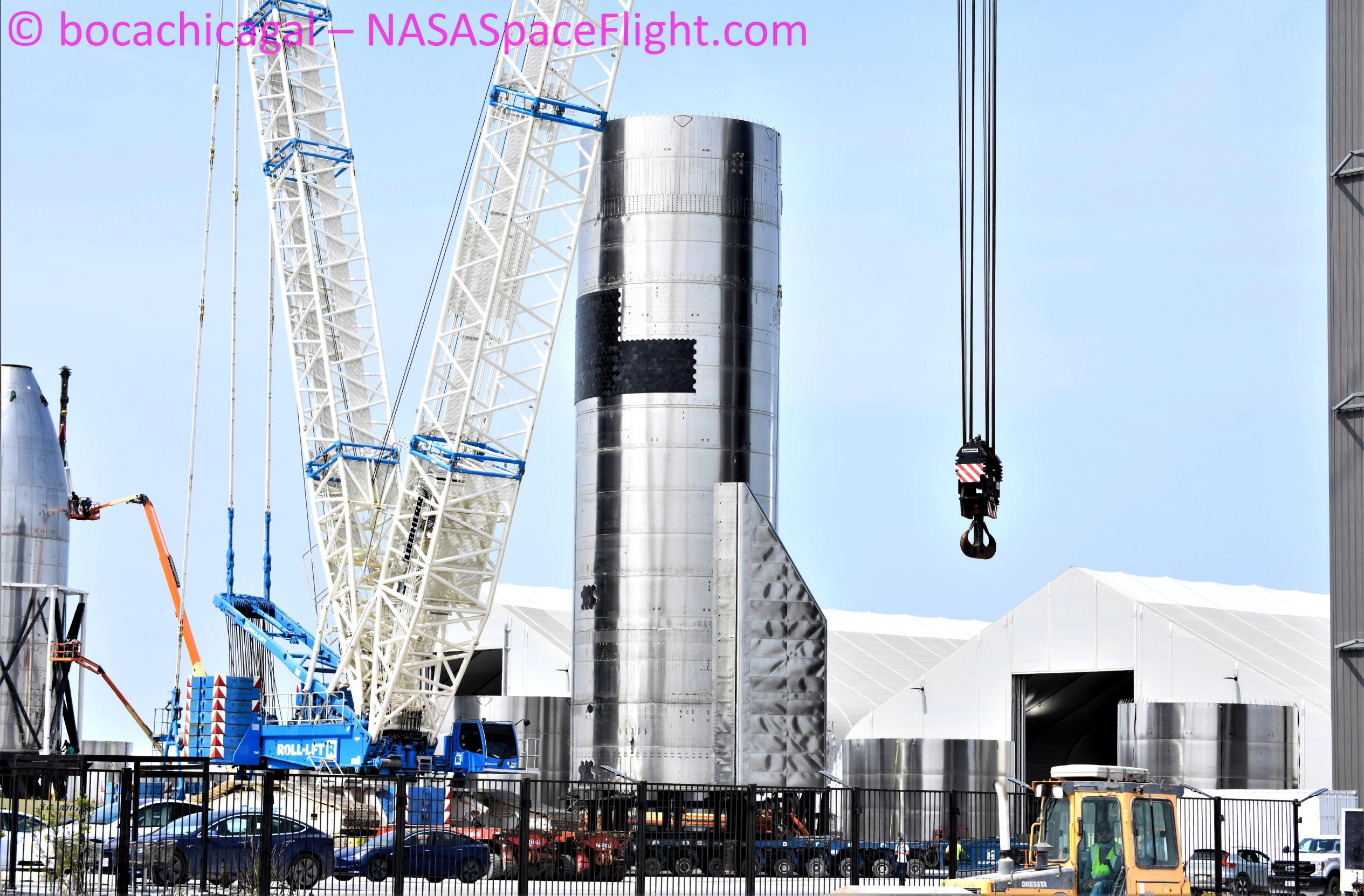
The point is that for the initial target of two (or so) launches between commodity resupply, SpaceX could likely acquire the few dozen new storage tanks it would need for a few million dollars apiece for a total cost likely between $50M and $100M. Instead, SpaceX has decided to design and build its own propellant storage tanks. Even more significantly, the GSE tanks SpaceX has already begun building appear to be virtually identical to Starships.
In other words, SpaceX is effectively taking identical rocket parts, slightly tweaking a handful of those parts, and turning what could have been a rocket into a propellant storage tank. This is significant because relative to all other rockets in history, even including SpaceX’s own Falcon 9 and Heavy, building storage tanks with unchanged rocket parts on a rocket assembly line would be roughly akin to hiring Vincent van Gogh to paint lane lines.
Ever since Elon Musk made the radical decision to switch from composite structures to stainless steel, Starship has always aimed to be radically different than any large rocket before it. Crucially, by using commodity steel, the CEO imagined SpaceX would be able to build Starships fairly easily and for pennies on the dollar next to even SpaceX’s exceptionally affordable Falcon 9. In the last 18 months, it’s become apparent that SpaceX has built a factory capable of churning out one or two massive steel rockets per month and is willing to consign at least four or five of those Starship prototypes to all-but-guaranteed failures for the sake of data-gathering and iterative improvement.
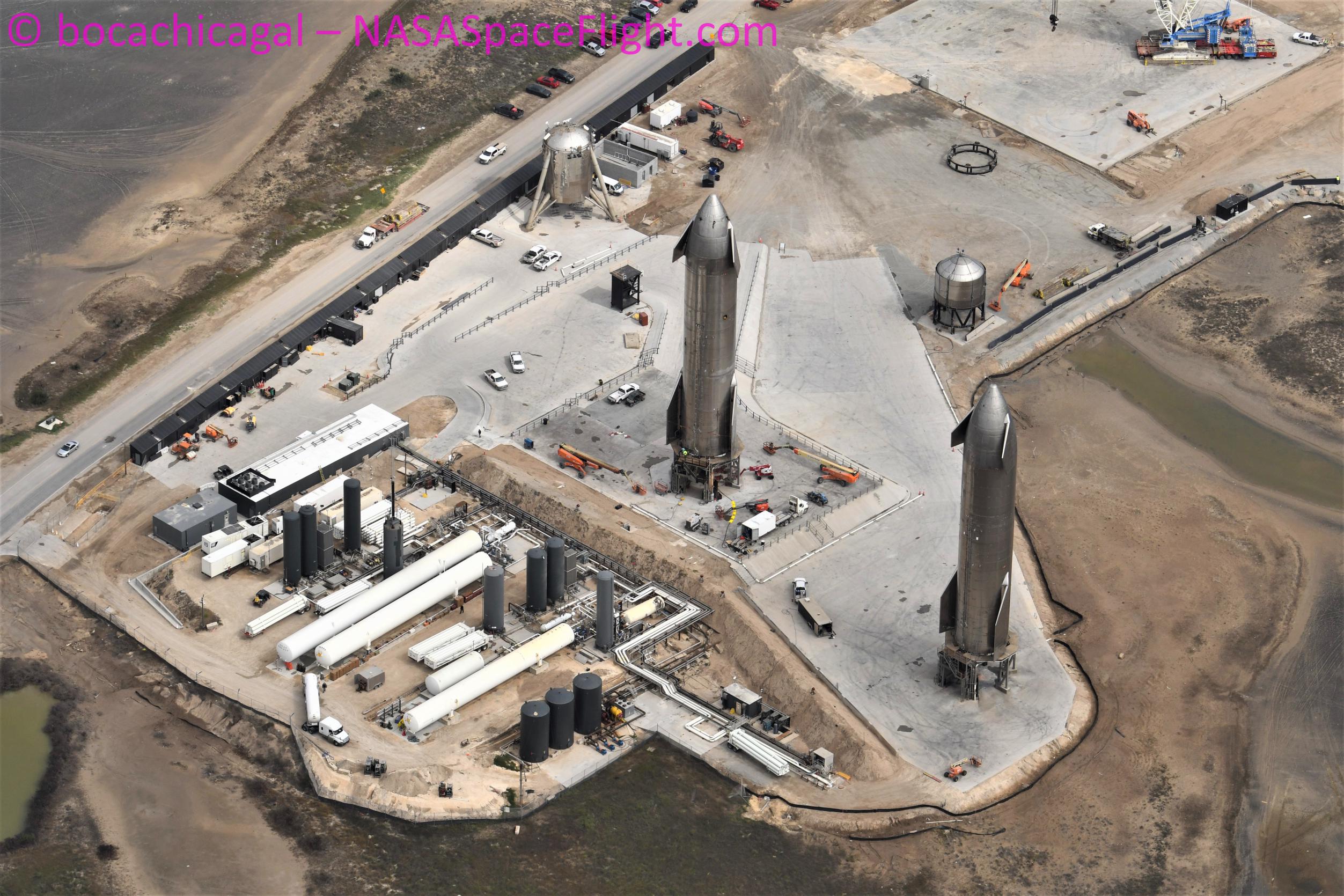
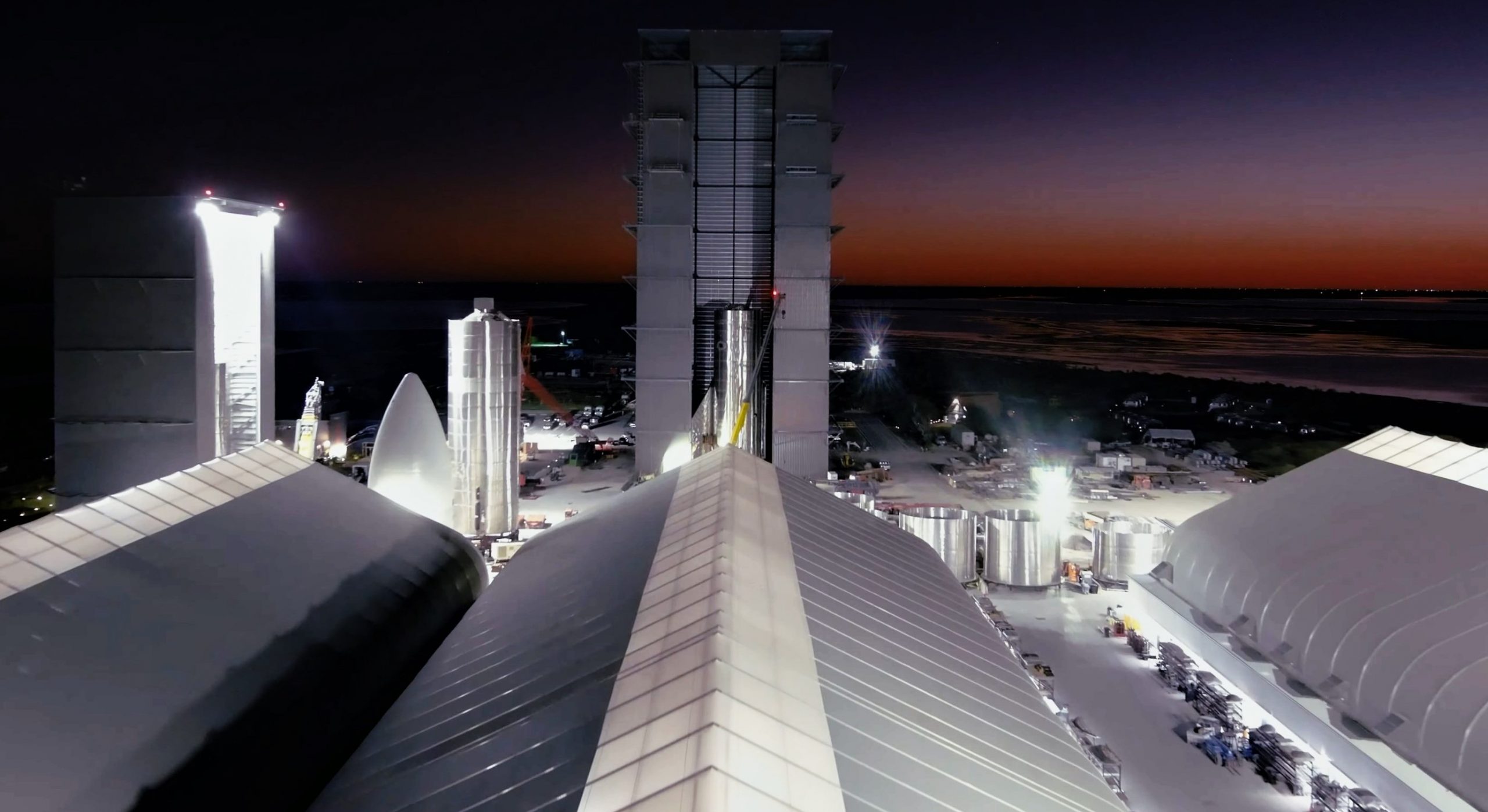
Technically, the most logical conclusion would be that Musk was right and that SpaceX has quickly developed the ability to build steel rockets larger than any other launch vehicle on Earth for perhaps just $5M or less apiece. However, SpaceX is also raising on the order of $1-2B in venture capital annually, so they could technically afford to shoulder the cost of extremely expensive Starship prototypes if the company was confident that there was a path to cut those costs and reach the targets needed for the rocket to make economical sense.
Now, the existence of self-built propellant storage tanks virtually identical to flightworthy Starship airframes all but guarantees that SpaceX is already building Starships for a few million dollars each – and possibly much less. More than a year ago, Musk said that SpaceX was already building the Raptor engines that will power Starship and Super Heavy for less than $1M apiece and was working to mass-produce a simpler variant for less than $250,000. Beyond engines and primary structures, Starship hardware is fairly simple and ranges from Tesla-derived motors, basic flaps, and landing legs to off-the-shelf pressure vessels (COPVs) and wiring. SpaceX has managed that extraordinary cost-efficiency despite the fact that Boca Chica is still nowhere close to the level of volume production Musk is aiming for, meaning that there are still far more efficiencies waiting to be realized.
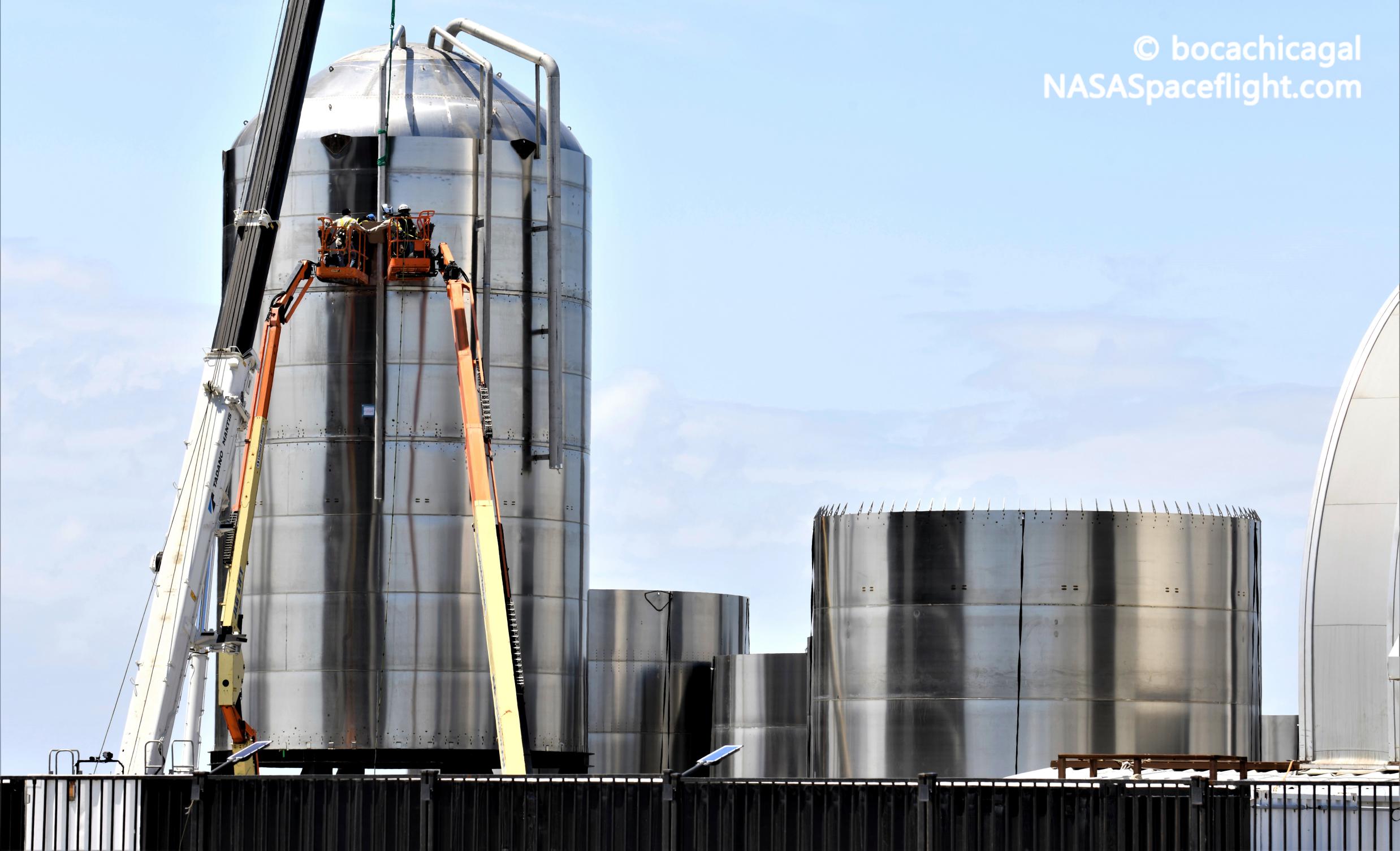
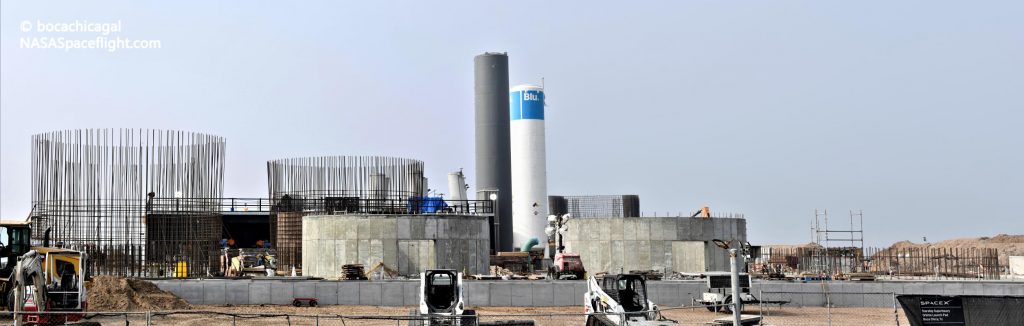
For now, with virtually no retooling and the exact same assembly line, SpaceX’s South Texas rocket factory is busy churning out massive launch pad tanks – one of which is already preparing for installation while another two speed towards completion. All told, SpaceX appears to be preparing foundations for seven 9m-wide (30ft), 27.5m-tall (90ft) Starship-derived tanks that should be capable of storing ~2200 tons (4.9 million pounds) of subcooled liquid methane in three tanks and ~7300 tons (16.1 million pounds) of liquid oxygen in the other four tanks – enough for two orbital Starship launches.


Elon Musk
Brazil Supreme Court orders Elon Musk and X investigation closed
The decision was issued by Supreme Court Justice Alexandre de Moraes following a recommendation from Brazil’s Prosecutor-General Paulo Gonet.

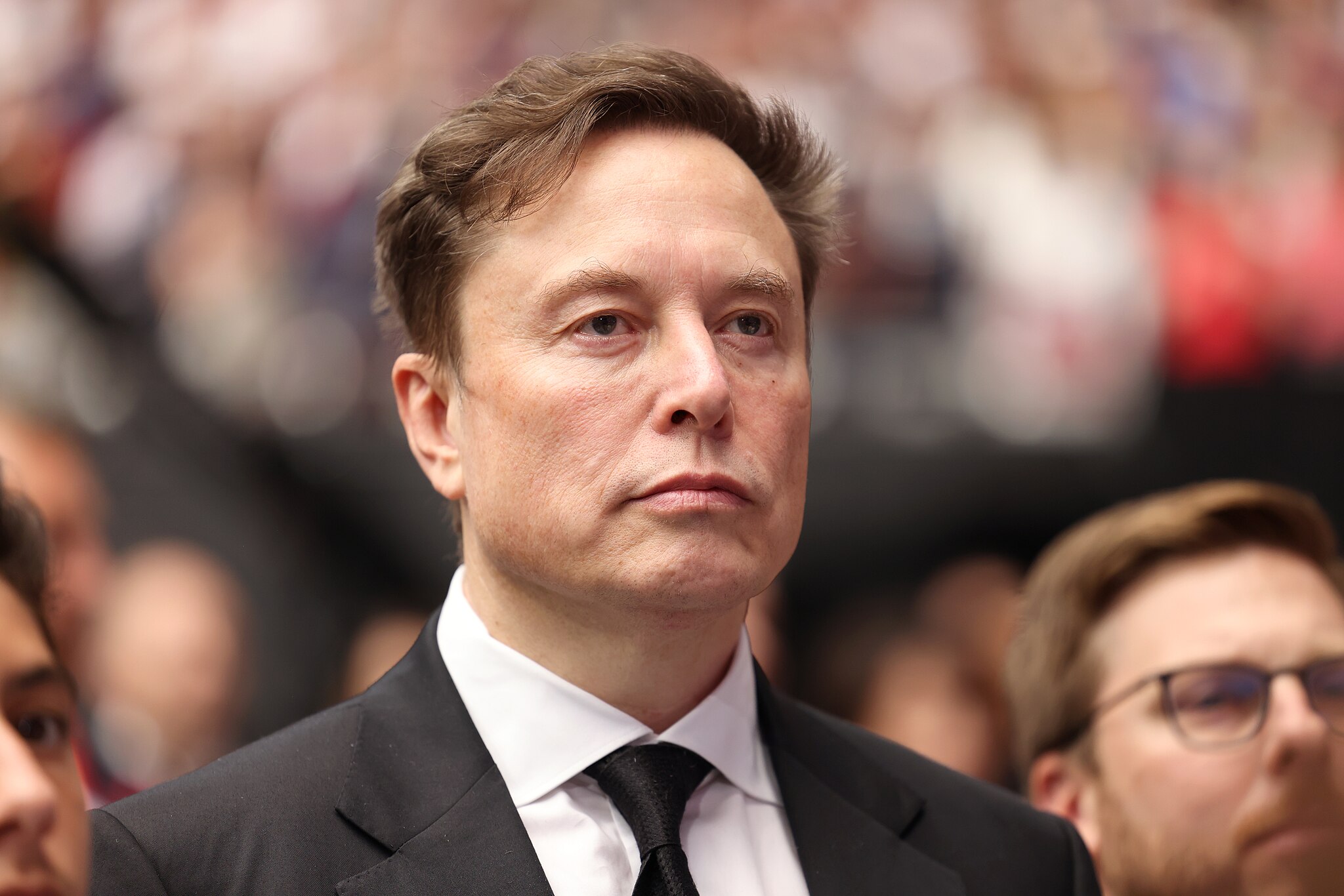
Brazil’s Supreme Federal Court has ordered the closure of an investigation involving Elon Musk and social media platform X. The inquiry had been pending for about two years and examined whether the platform was used to coordinate attacks against members of the judiciary.
The decision was issued by Supreme Court Justice Alexandre de Moraes following a recommendation from Brazil’s Prosecutor-General Paulo Gonet.
According to a report from Agencia Brasil, the investigation conducted by the Federal Police did not find evidence that X deliberately attempted to attack the judiciary or circumvent court orders.
Prosecutor-General Paulo Gonet concluded that the irregularities identified during the probe did not indicate fraudulent intent.
Justice Moraes accepted the prosecutor’s recommendation and ruled that the investigation should be closed. Under the ruling, the case will remain closed unless new evidence emerges.
The inquiry stemmed from concerns that content on X may have enabled online attacks against Supreme Court justices or violated rulings requiring the suspension of certain accounts under investigation.
Justice Moraes had previously taken several enforcement actions related to the platform during the broader dispute involving social media regulation in Brazil.
These included ordering a nationwide block of the platform, freezing Starlink accounts, and imposing fines on X totaling about $5.2 million. Authorities also froze financial assets linked to X and SpaceX through Starlink to collect unpaid penalties and seized roughly $3.3 million from the companies’ accounts.
Moraes also imposed daily fines of up to R$5 million, about $920,000, for alleged evasion of the X ban and established penalties of R$50,000 per day for VPN users who attempted to bypass the restriction.
Brazil remains an important market for X, with roughly 17 million users, making it one of the platform’s larger user bases globally.
The country is also a major market for Starlink, SpaceX’s satellite internet service, which has surpassed one million subscribers in Brazil.
Elon Musk
FCC chair criticizes Amazon over opposition to SpaceX satellite plan
Carr made the remarks in a post on social media platform X.
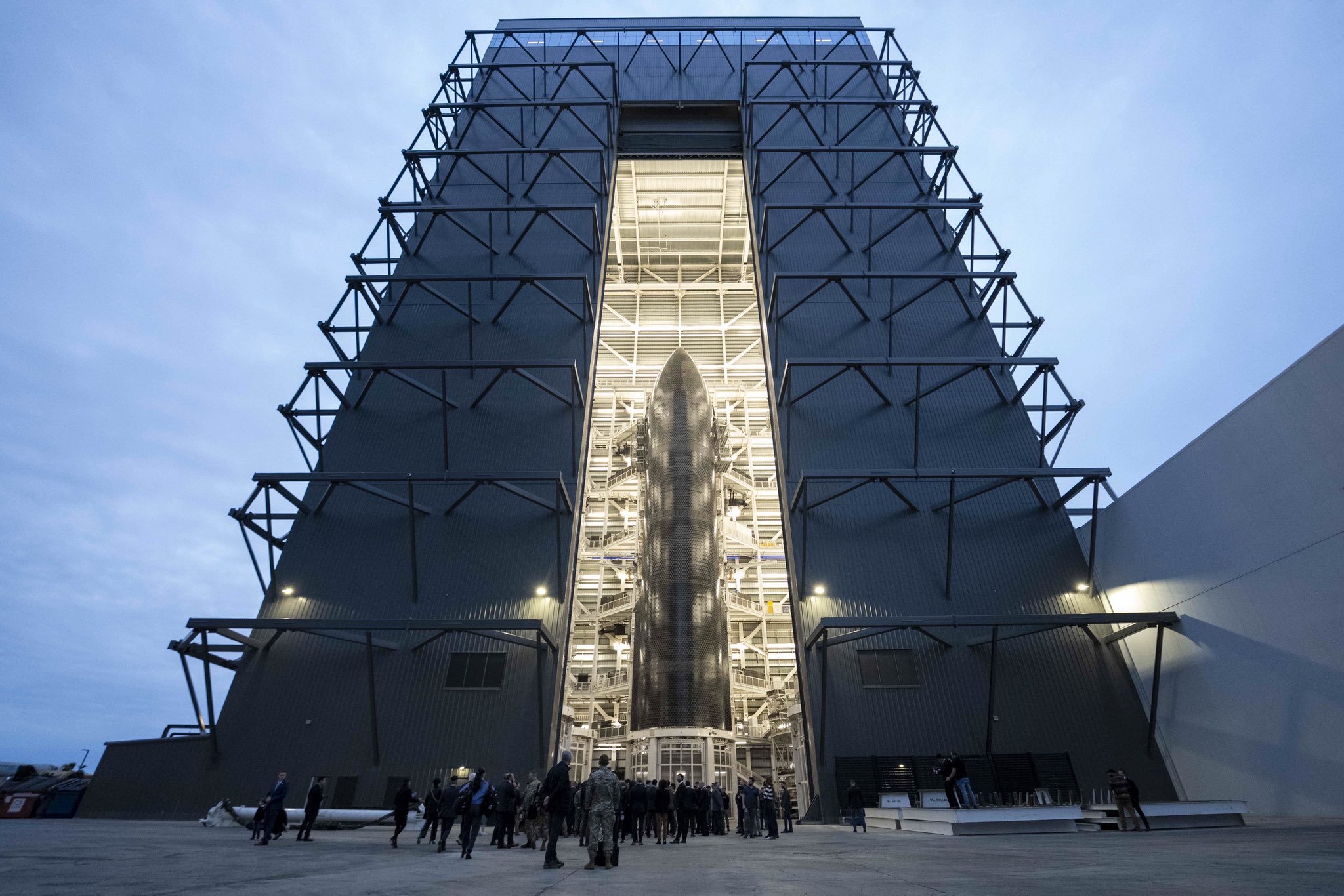
U.S. Federal Communications Commission (FCC) Chairman Brendan Carr criticized Amazon after the company opposed SpaceX’s proposal to launch a large satellite constellation that could function as an orbital data center network.
Carr made the remarks in a post on social media platform X.
Amazon recently urged the FCC to reject SpaceX’s application to deploy a constellation of up to 1 million low Earth orbit satellites that could serve as artificial intelligence data centers in space.
The company described the proposal as a “lofty ambition rather than a real plan,” arguing that SpaceX had not provided sufficient details about how the system would operate.
Carr responded by pointing to Amazon’s own satellite deployment progress.
“Amazon should focus on the fact that it will fall roughly 1,000 satellites short of meeting its upcoming deployment milestone, rather than spending their time and resources filing petitions against companies that are putting thousands of satellites in orbit,” Carr wrote on X.
Amazon has declined to comment on the statement.
Amazon has been working to deploy its Project Kuiper satellite network, which is intended to compete with SpaceX’s Starlink service. The company has invested more than $10 billion in the program and has launched more than 200 satellites since April of last year.
Amazon has also asked the FCC for a 24-month extension, until July 2028, to meet a requirement to deploy roughly 1,600 satellites by July 2026, as noted in a CNBC report.
SpaceX’s Starlink network currently has nearly 10,000 satellites in orbit and serves roughly 10 million customers. The FCC has also authorized SpaceX to deploy 7,500 additional satellites as the company continues expanding its global satellite internet network.
Energy
Tesla Energy gains UK license to sell electricity to homes and businesses
The license was granted to Tesla Energy Ventures Ltd. by UK energy regulator Ofgem after a seven-month review process.
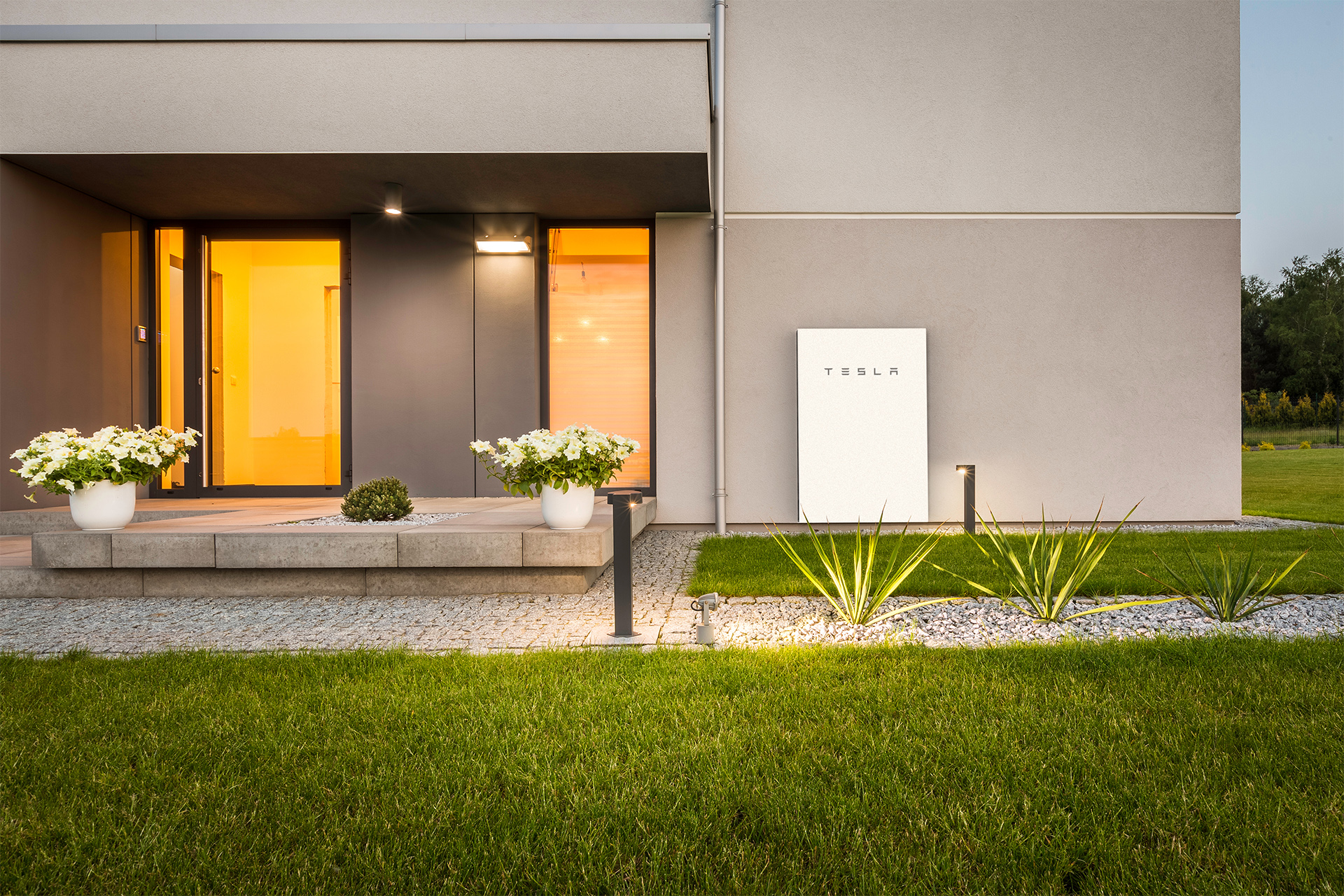
Tesla Energy has received a license to supply electricity in the United Kingdom, opening the door for the company to serve homes and businesses in the country.
The license was granted to Tesla Energy Ventures Ltd. by UK energy regulator Ofgem after a seven-month review process.
According to Ofgem, the license took effect at 6 p.m. local time on Wednesday and applies to Great Britain.
The approval allows Tesla’s energy business to sell electricity directly to customers in the region, as noted in a Bloomberg News report.
Tesla has already expanded similar services in the United States. In Texas, the company offers electricity plans that allow Tesla owners to charge their vehicles at a lower cost while also feeding excess electricity back into the grid.
Tesla already has a sizable presence in the UK market. According to price comparison website U-switch, there are more than 250,000 Tesla electric vehicles in the country and thousands of Tesla home energy storage systems.
Ofgem also noted that Tesla Motors Ltd., a separate entity incorporated in England and Wales, received an electricity generation license in June 2020.
The new UK license arrives as Tesla continues expanding its global energy business.
Last year, Tesla Energy retained the top position in the global battery energy storage system (BESS) integrator market for the second consecutive year. According to Wood Mackenzie’s latest rankings, Tesla held about 15% of global market share in 2024.
The company also maintained a dominant position in North America, where it captured roughly 39% market share in the region.
At the same time, competition in the energy storage sector is increasing. Chinese companies such as Sungrow have been expanding their presence globally, particularly in Europe.

Brazil Supreme Court orders Elon Musk and X investigation closed

FCC chair criticizes Amazon over opposition to SpaceX satellite plan


