Elon Musk
SpaceX Starship just nailed something it’s never done before
SpaceX’s Starship flew successfully Friday, landing both stages and deploying its first Starlink V3 satellites.

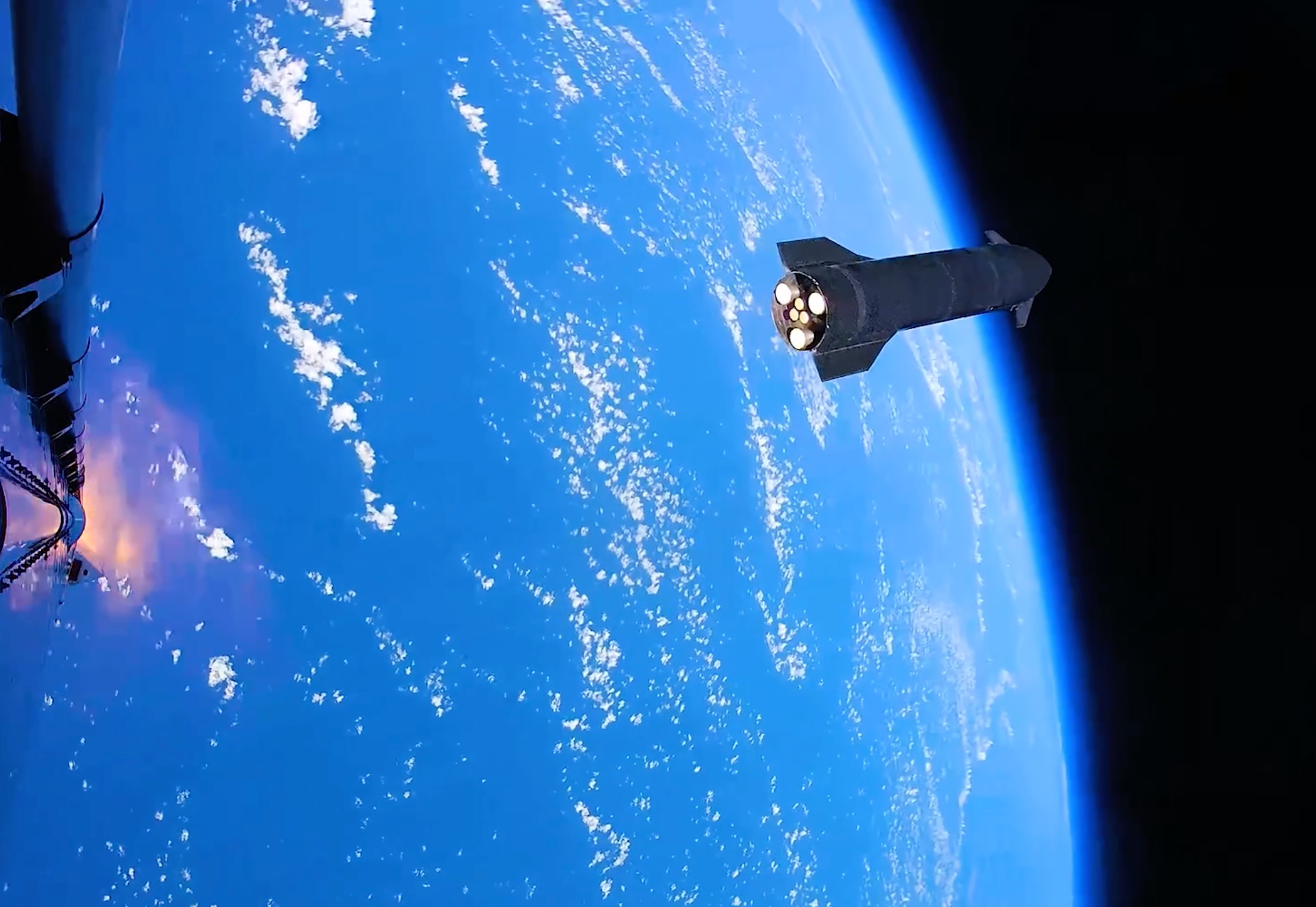
Starship’s thirteenth test flight delivered exactly what SpaceX needed with a clean liftoff, two successful stage recoveries, and the first real payload the vehicle has ever carried to space. Booster 20 and Ship 40 lifted off at 5:51 p.m. CT from Starbase, and by the time the mission wrapped roughly an hour later, both halves of the rocket had done exactly what they were supposed to do.
Booster 20 separated from Ship 40 a few minutes into the flight and stuck a controlled splashdown in the Gulf of Mexico about six minutes after liftoff. That is a meaningful turnaround from Flight 12 in May, when the booster lost several engines during its boostback burn before a hard water landing attempt.
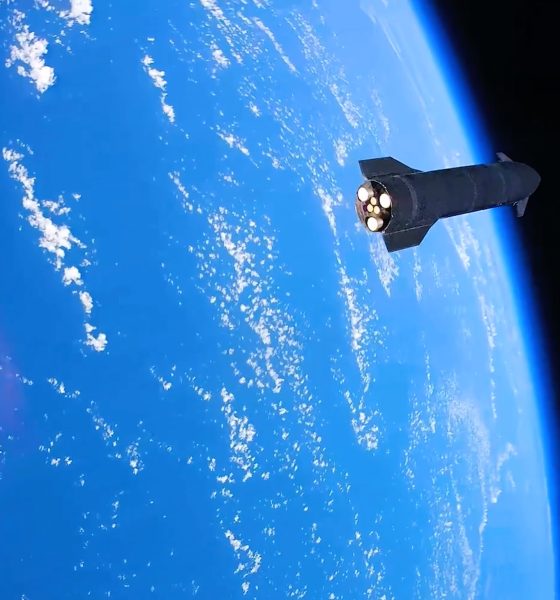
Starship as seen from Starlink satellites pic.twitter.com/e2hvfmnewh
— Elon Musk (@elonmusk) July 25, 2026
Starship 40’s performance was arguably the bigger win. The vehicle deployed the first 20 operational Starlink V3 satellites Starship has ever carried, then flew a suborbital arc to a landing in the Indian Ocean that SpaceX commentator Dan Huot called the company’s softest splashdown yet. “This is a dream scenario for this team that’s trying to get this heat shield data,” Huot said on the live broadcast, according to Space.com’s live coverage. “I’m a little over the moon right now. Wow. Lucky number 13.”
Unlike the mass simulators SpaceX flew on Flight 12, these were production Starlink V3 satellites, meant to extend solar arrays and antennas and attempt to link with the broader constellation before reentering minutes later. Getting real hardware through a full deploy sequence on only the second flight of the V3 generation keeps Starship on schedule for the payload work NASA is counting on for future Artemis lunar landings.
What an awesome launch, really seems like everything went super well and it was all incredibly smooth.
SpaceX is awesome. Very interested to see how the market will respond on Monday pic.twitter.com/KSHmyBfV55
— TESLARATI (@Teslarati) July 25, 2026
— TESLARATI (@Teslarati) July 25, 2026
The flight also arrives at a moment when SpaceX needed a win. SPCX has traded below its $135 IPO price since mid-July, as Teslarati reported when the mission slipped to Friday, and short interest has climbed to roughly a third of the tradable float. A clean flight will not fix a balance sheet, but it does answer the one question SpaceX absolutely needed answered this week: whether the fixes made after the July 16 abort would hold up under real flight conditions. They did, on both stages, on the first try after the redesign.
SpaceX has not set a target date for Flight 14, though the company has said it wants to push toward an orbital attempt on the next mission. After Friday, that goal looks a lot more within reach.



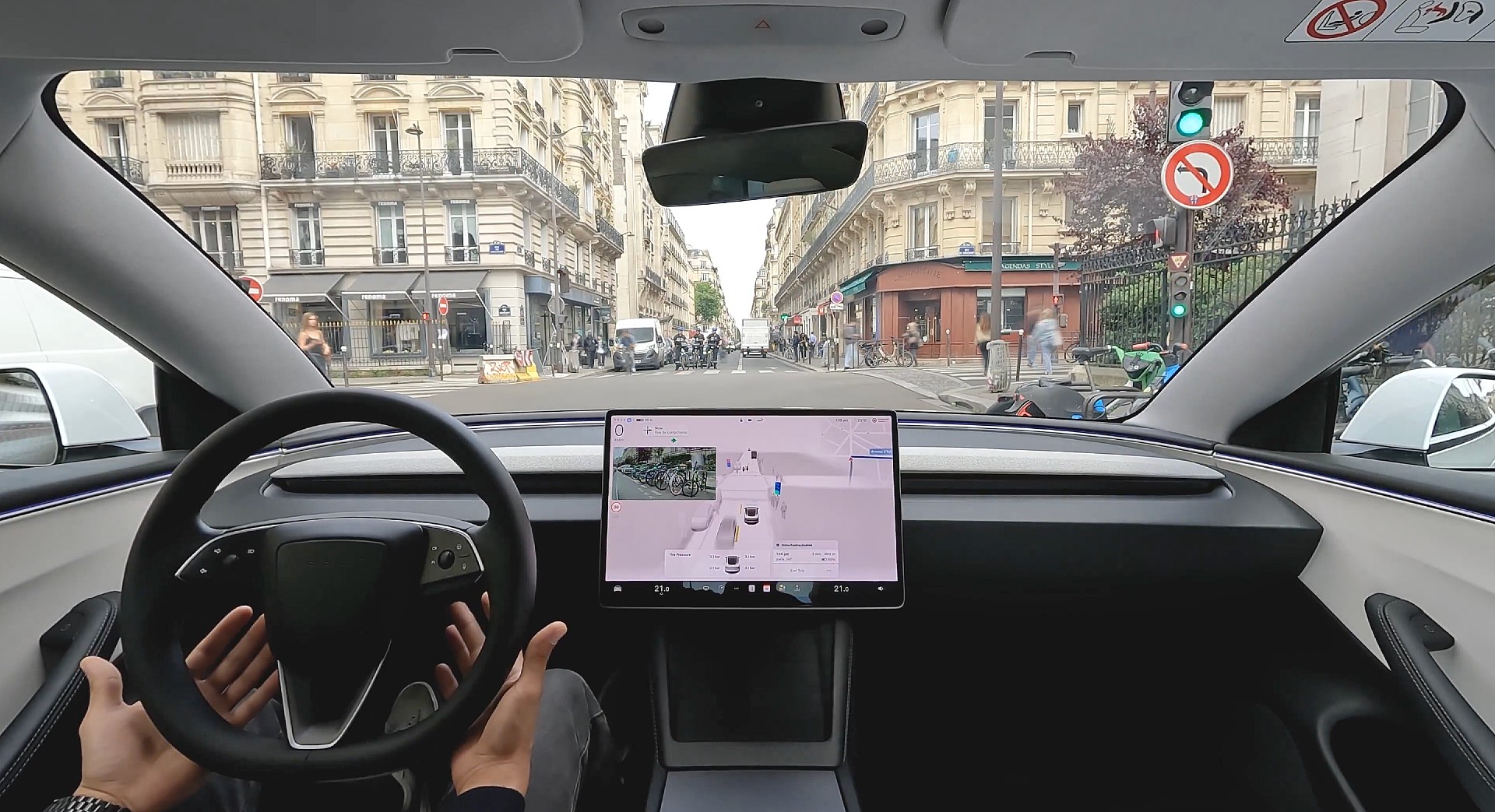
Elon Musk clapped back at France’s decision to withhold the approval for Tesla’s Full Self-Driving (FSD) Supervised system, projecting a clear and blunt message to French Transport Minister Phillippe Tabarot, after he publicly rejected the technology in its current form.
Tabarot outlines several concerns with Tesla Full Self-Driving in a detailed video statement, where he said, “The safety trade-offs are not yet sufficient to authorize it as it currently stands,” he said. He emphasized that FSD is not a true self-driving system and that the driver remains fully responsible.
Key issues Tabarot also brought up included allowing speeding when surrounding traffic exceeds limits and what he believes are insufficient guarantees of driver attention during complex urban maneuvers such as lane changes, intersections, and roundabouts.
Delaying the approval of FSD in France will cost lives
— Elon Musk (@elonmusk) July 22, 2026
While acknowledging technological progress and France’s support for autonomous innovation, Tabarot stressed that deployment must prioritize road safety. He noted ongoing technical discussions with Tesla, the Netherlands, and other European partners, with further ecosystem meetings planned for the fall.
Musk’s rebuke highlights the human cost of regulatory caution. Tesla’s latest safety reports provide compelling data supporting accelerated adoption. In the most recent 12-month period, vehicles using FSD (Supervised) recorded one major collision per approximately 5.1 million miles driven, dramatically better than the U.S. national average of one crash per 698,000 miles.
Even Tesla vehicles driven manually with active safety features outperform the average by a wide margin. These figures come from billions of real-world miles of telemetry, showing FSD vehicles involved in far fewer incidents than both manual Teslas and the broader U.S. fleet.
Critics argue Tesla’s comparisons require careful scrutiny regarding reporting thresholds and fleet demographics, yet the data consistently positions FSD as a potential lifesaver. With road fatalities remaining a leading cause of death worldwide, Musk contends that proven safer technology should not face prolonged bureaucratic hurdles.
France’s measured approach reflects the broader European regulatory caution, which many, especially Musk, have been critical of in the past. However, as autonomous systems from Tesla and competitors like Waymo demonstrate superior safety in independent studies, pressure is mounting for harmonized approvals.
Musk’s warning carries the belief that every month of delay may equate to avoidable tragedies on European roads.
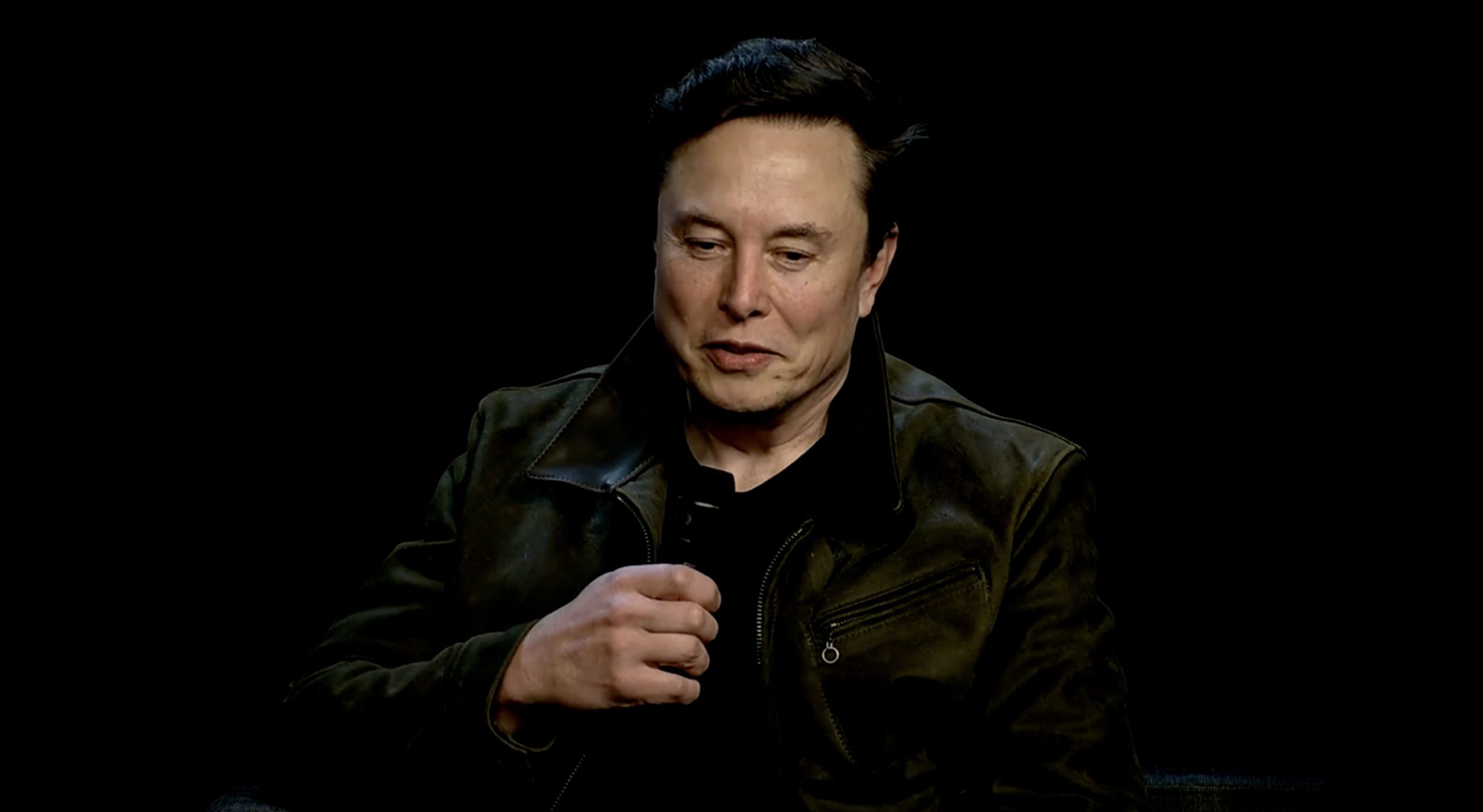
Elon Musk escalated his monthslong feud with Christopher Nolan’s The Odyssey this week, pledging that his own AI video tool will produce a competing version before the year is out. Responding to a fan-made, AI-generated clip of the ancient epic, Musk wrote on X, “Before this year ends, Grok Imagine will make a full-length movie of The Odyssey that is historically accurate and true to the art of Homer.”
In June, Musk quoted an xAI-shared trailer built entirely with Grok Imagine Video 1.5, a two-minute-plus reimagining of The Odyssey styled after a 1970s classical Hollywood epic, and predicted “full movies by the end of the year,” as Teslarati reported at the time. That trailer, built from 36 consistent shots by a single creator, was Musk’s proof of concept. This week’s pledge turns that prediction into a specific commitment, tied directly to Homer’s text rather than a generic demo.
Before this year ends, Grok Imagine will make a full-length movie of The Odyssey that is historically accurate and true to the art of Homer https://t.co/bVHzUmY9WN
— Elon Musk (@elonmusk) July 22, 2026
When a fan separately proposed that Musk fund a live-action alternative, to “give Mel Gibson $100 million to film an Odyssey adaptation with painstakingly historically accurate ships, armour, weapons, and casting, with all dialogue taken straight from the original poem and delivered in Homeric Greek,” Musk replied with two words: “I’m down.”
The Grok Imagine pledge lands as the tool’s underlying infrastructure has changed hands. Grok is no longer a standalone product, it folded into SpaceXAI after SpaceX’s acquisition of xAI closed in February, meaning the compute behind any Odyssey production traces back to the same Colossus supercomputers now bundled into SpaceX’s pitch to investors. Musk has separately said SpaceX’s own engineering data is being fed into the next major Grok training run, a two trillion parameter model he’s called the “2T run.”
Whether Grok Imagine can sustain a feature length narrative, rather than a series of impressive individual shots, remains the open question.
Elon Musk
Tesla Semi finally has an FSD timeline and it’s waiting on the Cybercab
Elon Musk told investors Semi self-driving should start working by early 2027, per today’s earnings.
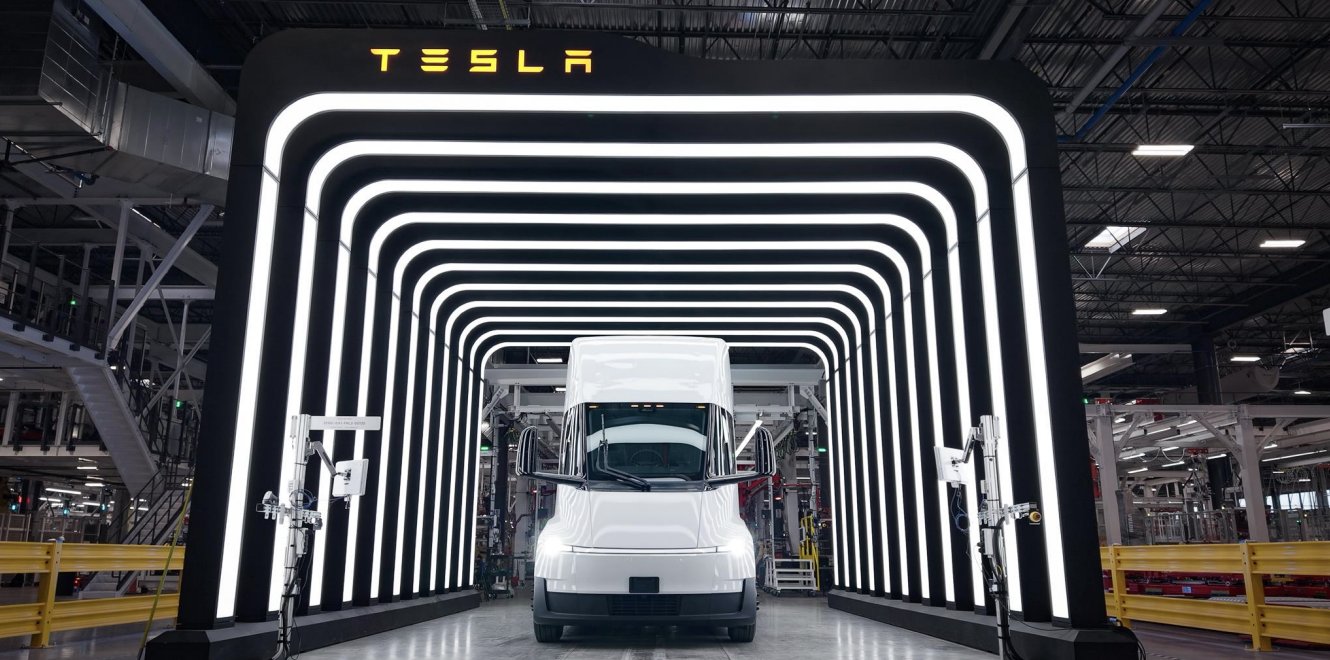
During Wednesday’s’ Tesla Q2 earnings call, an analyst asked Elon Musk when Tesla would look at autonomy for the Semi. His answer set a real timeline for the first time, noting that self-driving on the Tesla Semi is expected to start working “around the end of this year or early next year”.
Musk framed the delay as a matter of priority, not capability. Tesla’s self-driving team is currently focused on Model 3, Model Y, and Cybercab, the vehicles that make up the overwhelming majority of Tesla’s fleet. Since Semi trucks on the road remain a small fraction of that total even after the recent Nevada factory ramp, Musk said it made more sense to keep the software team’s attention on what he called “the march of nines of safety” for the higher volume vehicles first. Autonomous Semi development is “taking a bit of a backseat for the next six months or so,” he said, before adding that it “will definitely be working next year and in time for the scale-up to high production of the Tesla Semi.”
Tesla Semi’s official battery capacity leaked by California regulators
The timeline lines up with what’s already been showing up on public roads. In June, a Tesla Semi was spotted in Sunnyvale wearing a full validation rig, the same rooftop sensor array Tesla mounts on vehicles ahead of an FSD milestone.
A second unit was seen near Fremont days later with a matching camera suite and lens washers. Separately, Tesla analyst Nic Cruz Patane posted video this month of the production Semi’s exterior camera array, ten AI4 based units built directly into the truck rather than added later.
Tesla Semi AI4 cameras. The production version has 10 cameras on its exterior.
These trucks are designed to be autonomous. pic.twitter.com/GH3BamxIBQ
— Nic Cruz Patane (@niccruzpatane) April 14, 2026
Musk also gave the reason autonomy on the Semi matters in the first place, a persistent shortage of qualified truck drivers. “There is a really serious shortage of truckers,” he said on the call, framing a self-driving Semi as important both for addressing that shortage and for improving safety and comfort for the drivers running the truck today.
The timing also tracks with the Semi’s production reality. Tesla’s Q2 shareholder letter, dropped language promising the Semi would reach volume production this year. Musk pointed to 4680 battery cell output as the near-term constraint on Semi and Cybercab production. A software timeline landing in early 2027 gives Tesla’s autonomy team room to work while the hardware ramp catches up behind it.
It’s worth nothing that this isn’t necessarily a promise the Semi ships driverless next year. Musk’s own language, self-driving “working” by early 2027, describes internal validation catching up to hardware already riding on every production truck, not a public unsupervised rollout.

SpaceX Starship just nailed something it’s never done before

Tesla’s Supercharger Diner probably just secured more locations


