News
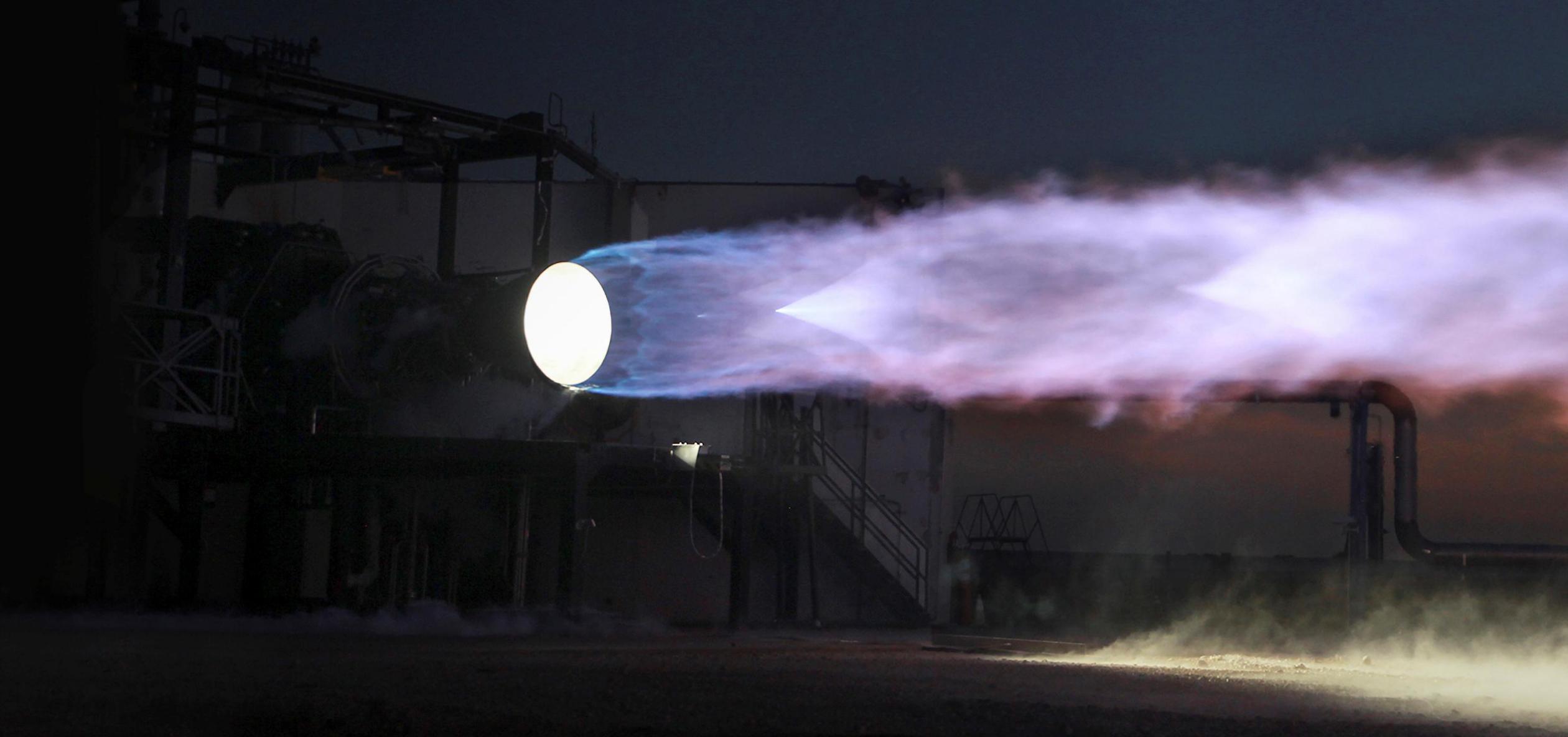
SpaceX fires up first upgraded Starship engine

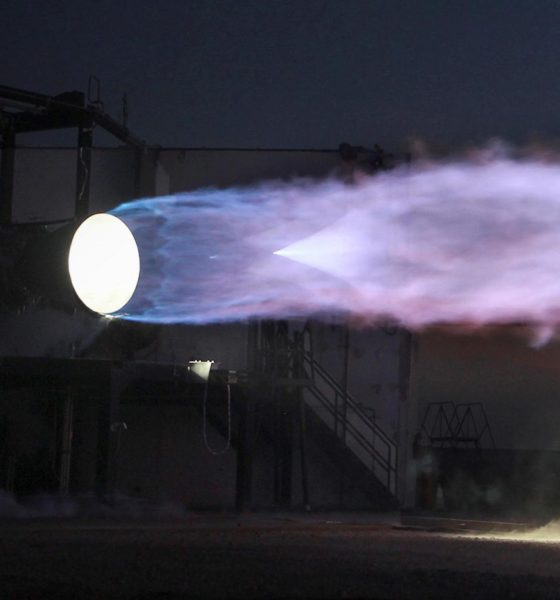
CEO Elon Musk has implicitly revealed that SpaceX recently conducted the first test of Starship’s new Raptor 2 engine.
Aside from kicking off integrated static fire testing of a refined, operationalized version of Raptor, the first prototype may have briefly become the most powerful engine of its kind ever tested before destroying itself. While not quite as successful as the first static fire campaign of a full-scale Raptor 1 engine, which survived several tests, the first Raptor 2 prototype’s early demise is still a routine part of engine development and is the start of a process that should ultimately produce a Super Heavy booster with 50% more thrust than the next most powerful rocket ever flown.
Prior to last weekend, it’s likely that competitor Blue Origin’s BE-4 – still in development and hoped to one day power ULA’s Vulcan and the company’s own reusable New Glenn – was the most powerful methane/oxygen rocket engine ever tested. BE-4 is designed to produce up to 244 tons (~539,000 lbf) of thrust. On its very first static fire, it appears that SpaceX’s first finished Raptor 2 prototype has narrowly stolen BE-4’s crown, briefly generating main combustion chamber pressures of 321 bar (~4650 psi) and as much as 245 tons (~540,000 lbf) of thrust.
To BE-4’s credit, the engine (at least as far as Blue Origin’s sparse public communications go) didn’t destroy itself after its first full-thrust static fire. Raptor 2 wasn’t so lucky and apparently exploded before completing its first test. There’s also some ambiguity as Blue Origin’s own website pegs BE-4 thrust at “2400 kN (550,000 lbf)” when 2400 kilonewtons is actually equivalent to 539,000 lbf. Regardless, designed to produce up to 230 tons (~510,000 lbf) of thrust in flight, Musk has said that Raptor 2 or V2.0 “is a major improvement in simplification” over Raptor 1, which nominally produces up to 185 tons (~410,000 lbf) of thrust at chamber pressures closer to 270 bar (~3900 psi).
It’s not all that surprising, then, that the first Raptor 2 prototype ever completed exploded when SpaceX pushed it to almost 107% of its maximum rated thrust and main chamber pressure during its first test.
Though impressive, SpaceX has technically pushed Raptor 1 prototypes further – and without failure. Musk later indicated that there was some damage present but a fairly young Raptor 1 engine still made it all the way up to 330 bar (~4800 psi) and spent about 10 seconds at chamber pressures above 320 bar without failure during an August 2020 stress test. Still, had the Raptor 2 prototype also made it to 330 bar, it would have produced around 252 tons (555,000 lbf) of thrust – 12% more than its Raptor 1 predecessor.
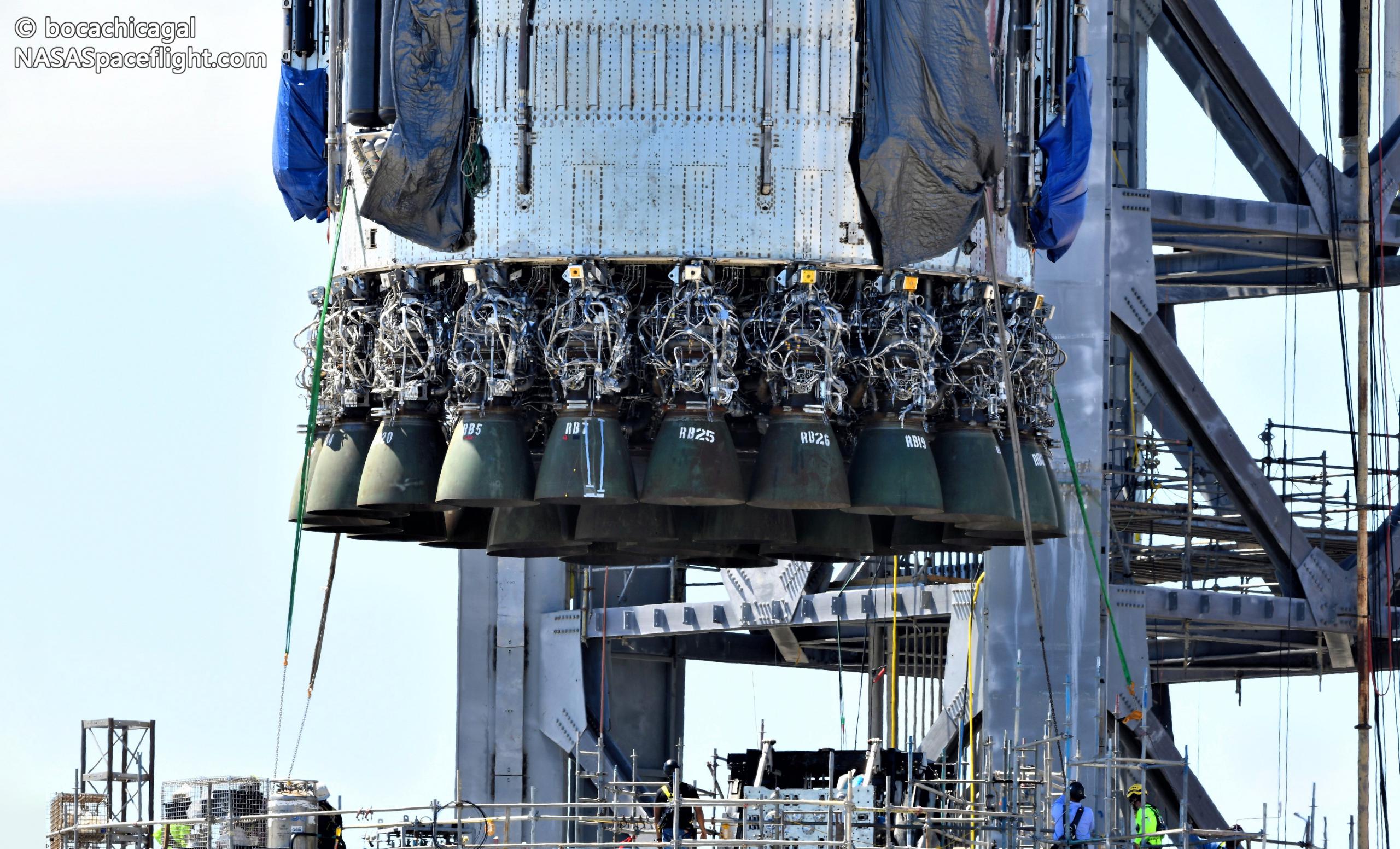
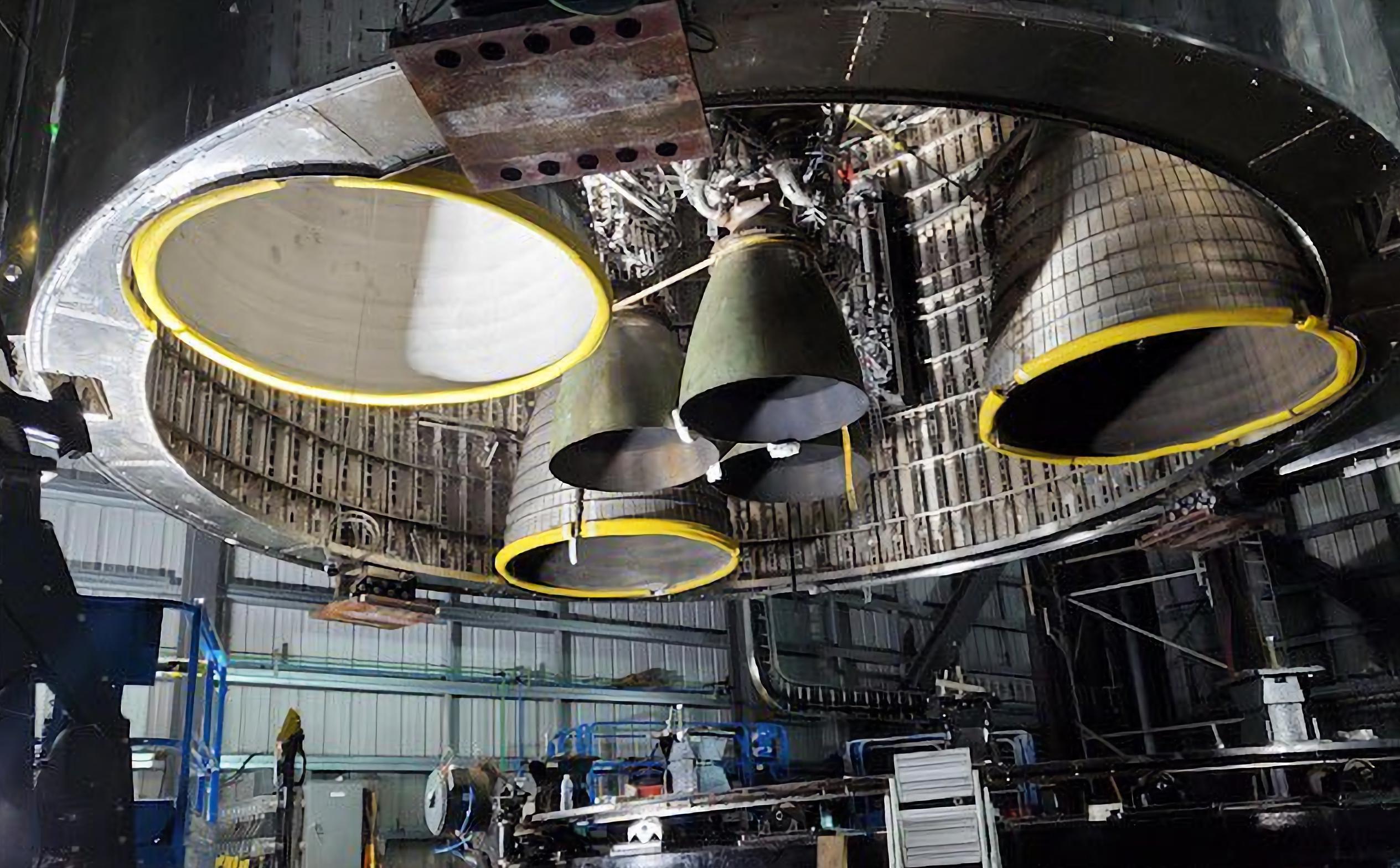
According to Musk, the main differences between Raptor 1 and Raptor 2 are “much cleaner” plumbing and wire harnesses and a wider combustion chamber throat, which allows the engine to produce more thrust in roughly the same package at the cost of a slight efficiency loss. Over the last two years, the CEO has mentioned the possibility of a power-optimized Raptor variant with up to 300 tons of thrust but in recent months, Musk says SpaceX has decided to keep the Raptor family as streamlined as possible and opted for just two variants – one with a sea-level nozzle (Raptor Center and Boost) and one with a larger vacuum-optimized nozzle (RVac).


Elon Musk
Tesla China posts strong February wholesale growth at Gigafactory Shanghai
The update was shared by Tesla observers on social media platform X, citing monthly China Passenger Car Association (CPCA) data.

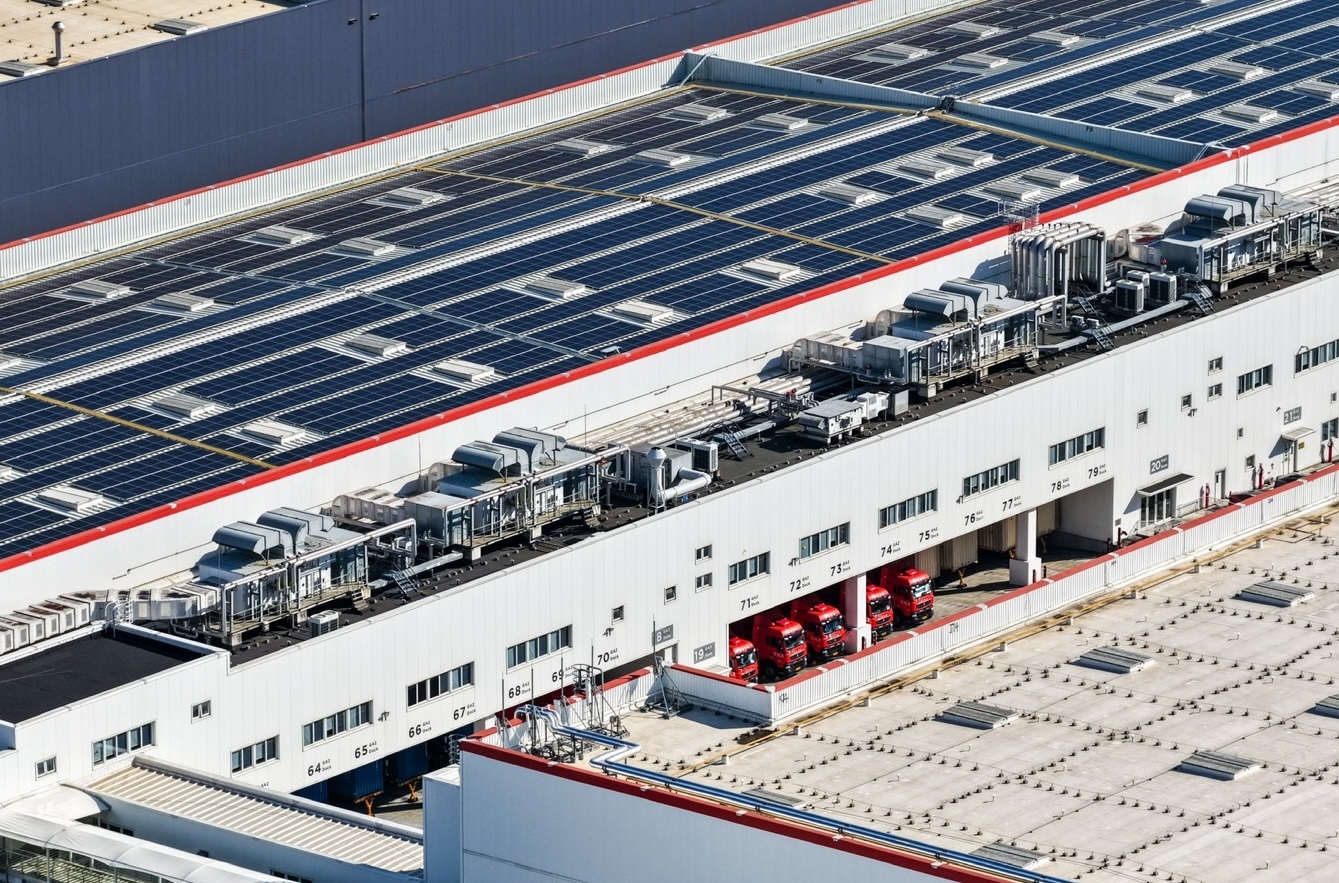
Tesla China sold 58,599 vehicles wholesale in February, reflecting strong year-over-year growth. The figure includes both domestic deliveries in China and vehicles exported to international markets.
The update was shared by Tesla observers on social media platform X, citing monthly China Passenger Car Association (CPCA) data.
Tesla’s February wholesale result represents a 91% increase year over year, compared with 30,688 vehicles in February 2025. Month over month, the result was down 15.2% from January, when Tesla China recorded 69,129 wholesale units.
The February total reflects combined sales of the Model 3 and Model Y produced at Gigafactory Shanghai. The facility produces the two vehicles for both domestic sales and exports.
Gigafactory Shanghai continues to serve as Tesla’s primary vehicle export hub, supplying vehicles to markets across Asia and Europe. Data compiled by Tesla watchers shows that 18,485 vehicles were sold domestically in China in January 2026, while exports accounted for 50,644 units during the same period.
Tesla has also been extending financing programs in China as it pushes to strengthen domestic demand. The company recently extended its seven-year ultra-low-interest and five-year interest-free financing programs through March 31, marking the second extension of the promotion this year.
The financing initiative was first introduced on January 6 as a strategy aimed at offsetting higher ownership costs ahead of China’s planned 5% NEV purchase tax in 2026. The promotion was originally scheduled to expire at the end of January before being extended to February and then again through the end of the first quarter.
Tesla’s efforts come amid growing competition in China’s EV market. According to data compiled by CNEV Post, Tesla’s 2025 retail sales in China reached 625,698 vehicles, representing a 4.78% year-over-year decline. Part of that decline was linked to the Model Y changeover to its updated variant in early 2025, which temporarily reduced deliveries during the transition period.
News
Tesla Model Y L spotted on transport trucks in Australia
One of the sightings was reported along Victoria Parade in Melbourne, and it showed multiple Model Y L vehicles on a transport carrier.
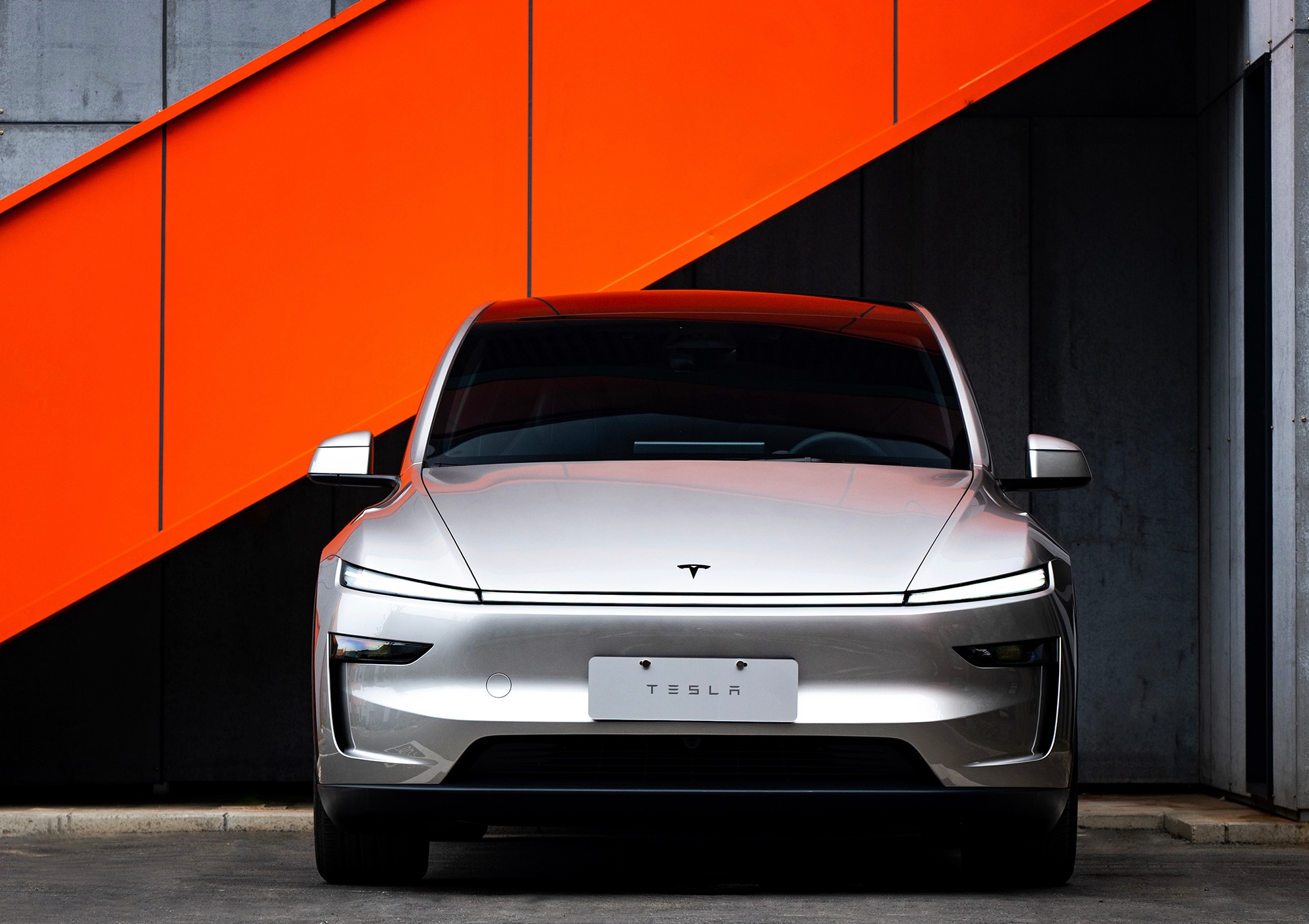
Tesla’s upcoming Model Y L has been spotted on transport trucks in Australia. Sightings of the six-seat extended wheelbase Model Y variant have been reported on social media platform X by members of the Australian Tesla community.
One of the sightings was reported along Victoria Parade in Melbourne, and it showed multiple Model Y L vehicles on a transport carrier.
The sighting follows earlier observations by Tesla enthusiasts in Sydney, where a covered vehicle believed to be a Model Y L was spotted at a Supercharger.
The Sydney sighting drew attention after observers noted that the vehicle’s tare weight appeared to match the ADR approval listing for the Model Y L, suggesting it could indeed be the extended wheelbase variant of the electric SUV.
Tesla has previously confirmed that the Model Y L will launch in Australia and New Zealand in 2026. The confirmation was reported by techAU following a media release from Tesla Australia and New Zealand.
The Model Y L expands the existing Model Y lineup with seating for six passengers. The vehicle features a longer body compared with the standard Model Y in order to accommodate a spacious second and third row.
Tesla has opted for a 2-2-2 seating configuration instead of a traditional seven-seat layout for the Model Y L. The design includes two individual seats in the middle row to provide easier access to the third row and additional passenger space.
Tesla Australia and New Zealand has also stated that the Model Y L will be covered under the company’s updated warranty structure beginning in 2026.
Tesla has not yet announced pricing or official range figures for the Model Y L in Australia.
Elon Musk
Elon Musk shares timeframe for X Money early public access rollout
X Money is expected to enable financial transactions within the app, expanding the platform’s capabilities beyond social media features.
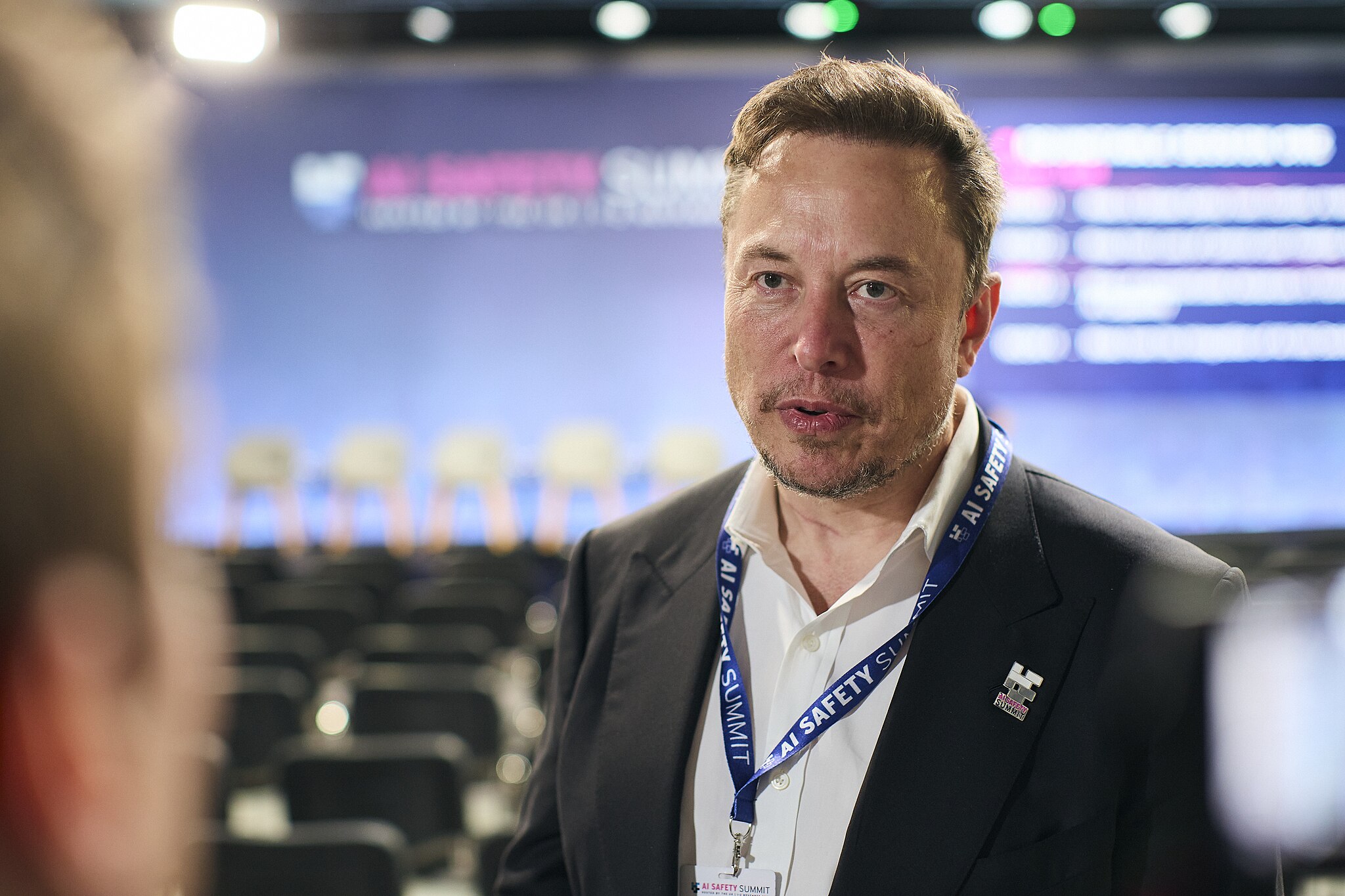
Elon Musk has stated that X Money, the digital payments system being developed for social media platform X, is expected to enter early public access next month.
The update was shared by Musk in a post on X. “𝕏 Money early public access will launch next month,” Musk wrote in his post.
As noted in a Reuters report, X Money is being developed as a digital payment service that’s directly integrated into the X platform.
The system is expected to enable financial transactions within the app, expanding the platform’s capabilities beyond social media features.
Musk has previously discussed plans to introduce payments and financial services as part of X’s broader development.
Since acquiring the platform in 2022, Musk has discussed expanding X to include a range of services such as messaging, media, and financial tools.
Elon Musk has shared his goal of transforming X into an “everything app.” During a previous podcast interview with members of the Tesla community, Musk mused about turning X into something similar to China’s WeChat, which allows users to shop, pay, communicate, and perform a variety of other tasks.
“In China, you do everything in WeChat… it’s kickass… Outside of China, there’s nothing like it, people live on one app. My idea would be like how about if we just copy WeChat,” Musk joked at the time.
To prepare for the rollout of X Money, X has partnered with payment company Visa to support the development of payment services for the platform’s users. The move could allow X to tap into the growing demand for digital and in-app financial transactions as the company builds additional services around its existing user base.

Tesla China posts strong February wholesale growth at Gigafactory Shanghai

Tesla Model Y L spotted on transport trucks in Australia


