News
SpaceX to nearly double fleet of reusable Dragon spacecraft by end of 2022

Comments from NASA and SpaceX officials during a briefing ahead of Crew Dragon’s third operational astronaut launch have offered a more detailed picture of the fleet of reusable Dragon spacecraft the company plans to build and cycle to support NASA missions.
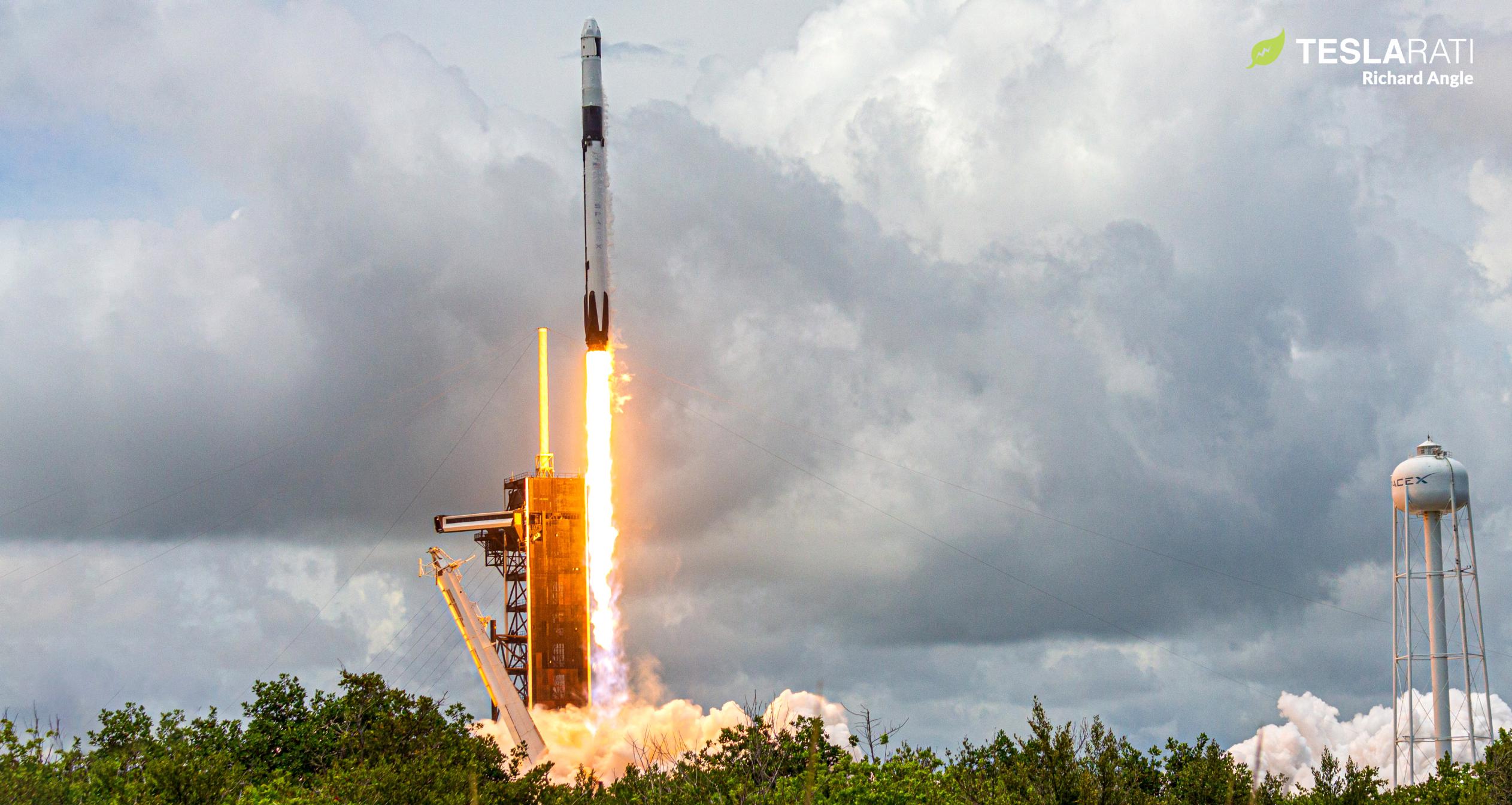
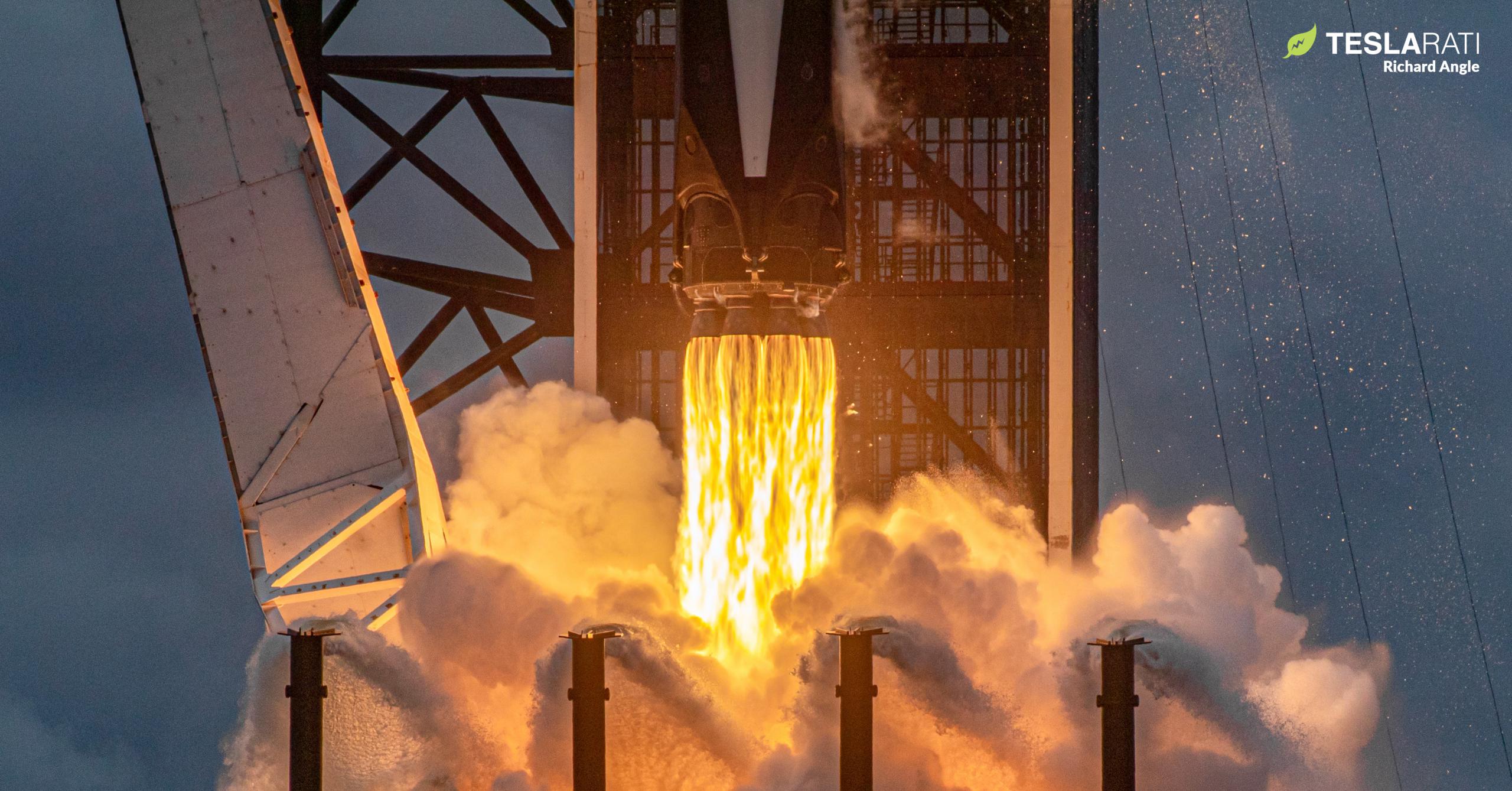
As part of the briefing, SpaceX Director of Dragon Mission Management Sarah Walker revealed that NASA’s imminent Crew-3 mission will debut a new Crew Dragon capsule (likely C210), which will be carried into space on top of once-flown Falcon 9 booster B1067. B1067 debuted on June 3rd, 2021, sending SpaceX’s second upgraded Cargo Dragon spacecraft on its way to the International Space Station (ISS) before returning to Earth and sticking a landing on drone ship Of Course I Still Love You. While far from breaking SpaceX’s own turnaround records, B1067’s Crew-3 launch will be the second time NASA has flown astronauts on a flight-proven commercial rocket.
SpaceX flew NASA astronauts on a flight-proven booster (Falcon 9 B1062) for the first time in April 2021 as part of Crew-2 – Dragon’s second operational crew launch and first crew ‘rotation.’ Crew-2’s Crew Dragon was also flight-proven, having supported SpaceX’s inaugural Demo-2 astronaut launch in mid-2020 – perhaps an even more impressive feat.
Five months later, SpaceX launched the world’s first all-private group of astronauts as part of a primarily philanthropic mission known as Inspiration4. Once again, a flight-proven booster launched an orbit-proven Crew Dragon capsule carrying four astronauts, pushing human-rated reusability even further with the first use of a twice-flown Falcon 9 on a crewed mission.
Crew-3 will thus continue the brand new trend of launching professional NASA and international astronauts on flight-proven SpaceX rockets. Scheduled to lift off no earlier than 2:43 am EDT (06:43 UTC) on Saturday, October 30th, a successful launch will mean that SpaceX has launched more crewed Dragons on flight-proven Falcon 9s than on new boosters – and despite the fact that the company completed its first astronaut launch ever less than a year and a half ago.
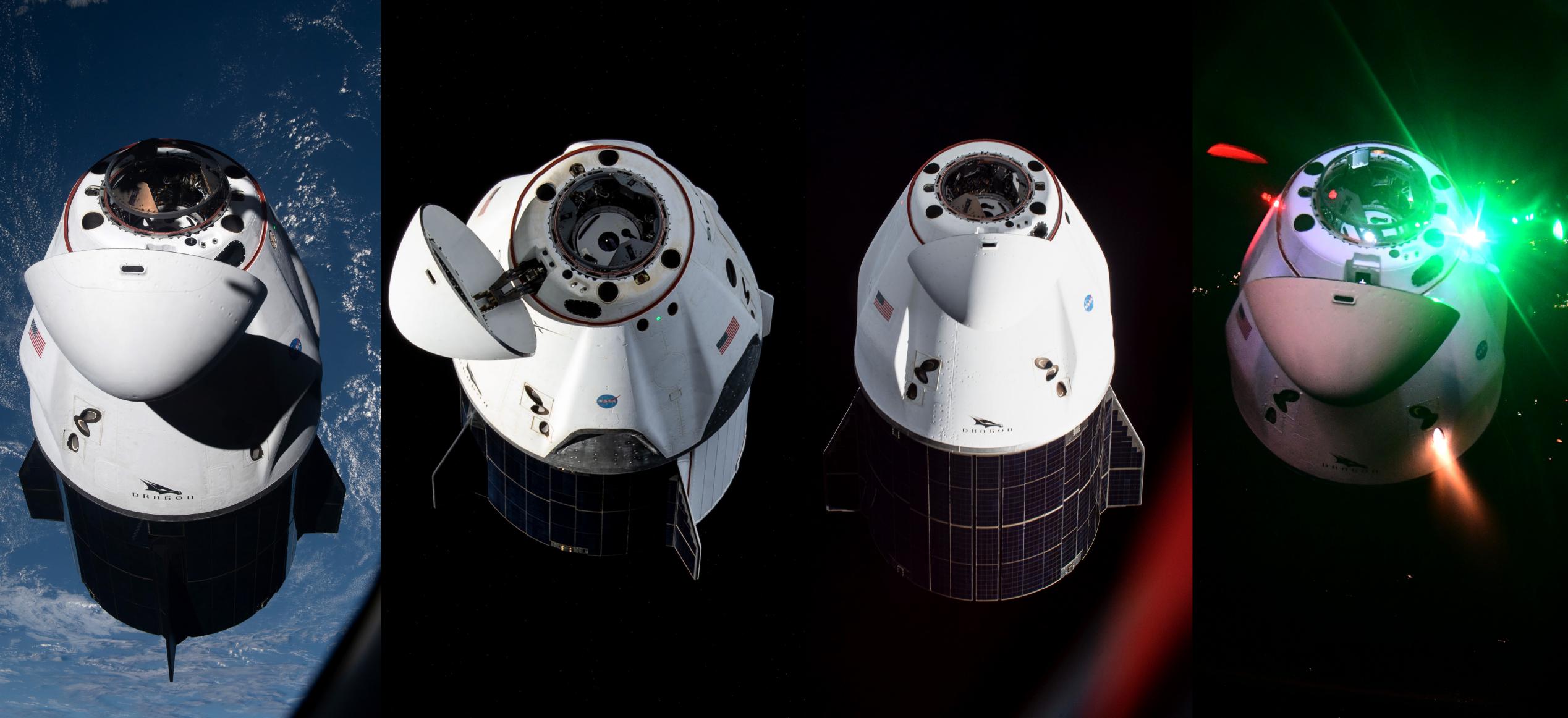
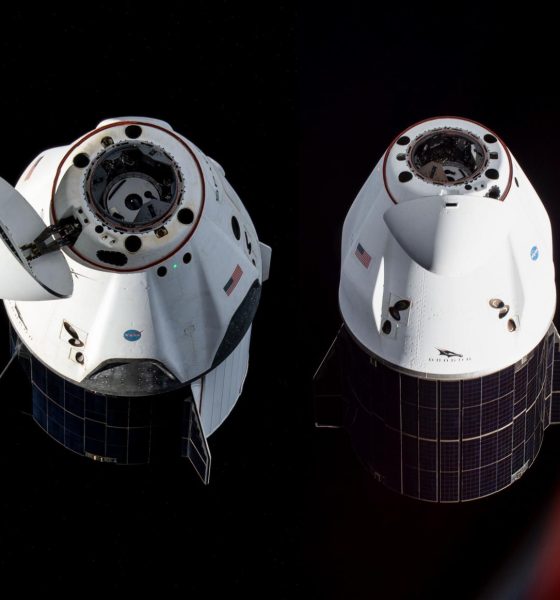
While Crew-3 won’t be the third crewed launch of a flight-proven Dragon, it will still play the important role of debuting a new vehicle as SpaceX works to assemble a fleet of reusable, orbital spacecraft. The spacecraft – likely Dragon 2 Capsule #10 (C210) – will be the third Crew Dragon to join SpaceX’s fleet of two operational crew capsules, which currently includes C206 (Endeavor) and C207 (Resilience). SpaceX’s Walker further confirmed that Crew-4 – recently scheduled to launch NET April 2022 – will also debut a new Crew Dragon capsule, growing the company’s crew capsule fleet to four vehicles by mid-2022.
Each certified to fly at least five NASA missions apiece, those four spacecraft should be enough to sate at least a few years of SpaceX’s near-term Crew Dragon launch demand. If an extended certification beyond five flights is impossible or if the company continues to fly public and private astronauts on Dragon well into the mid to late 2020s, however, it’s possible that several more capsules will be needed. But in theory, if Boeing’s Starliner finally reaches operational readiness in 2023 and NASA continues to operate the ISS to 2030 and beyond, SpaceX will only be tasked with supporting one NASA Crew Dragon launch annually by 2023.
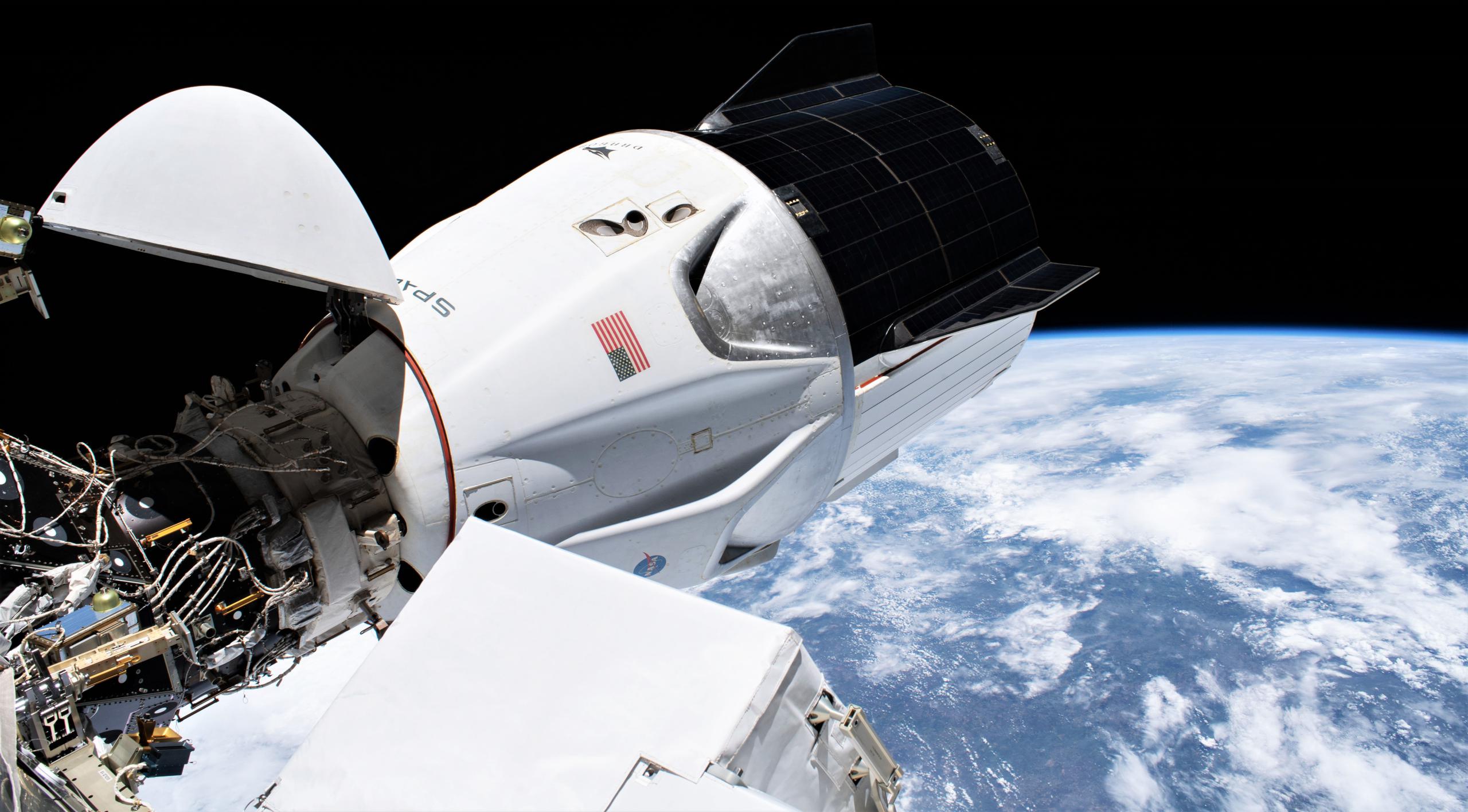
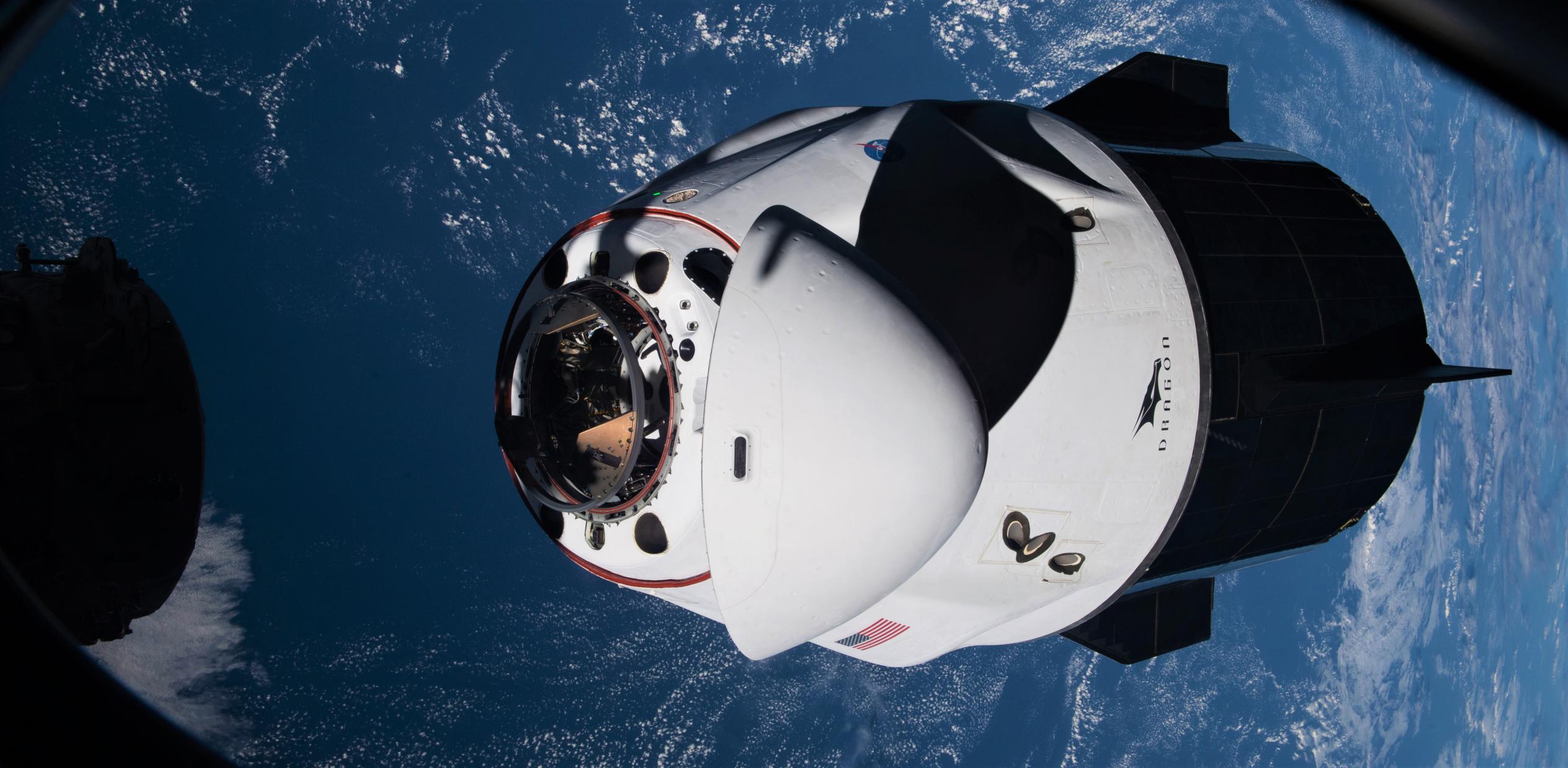
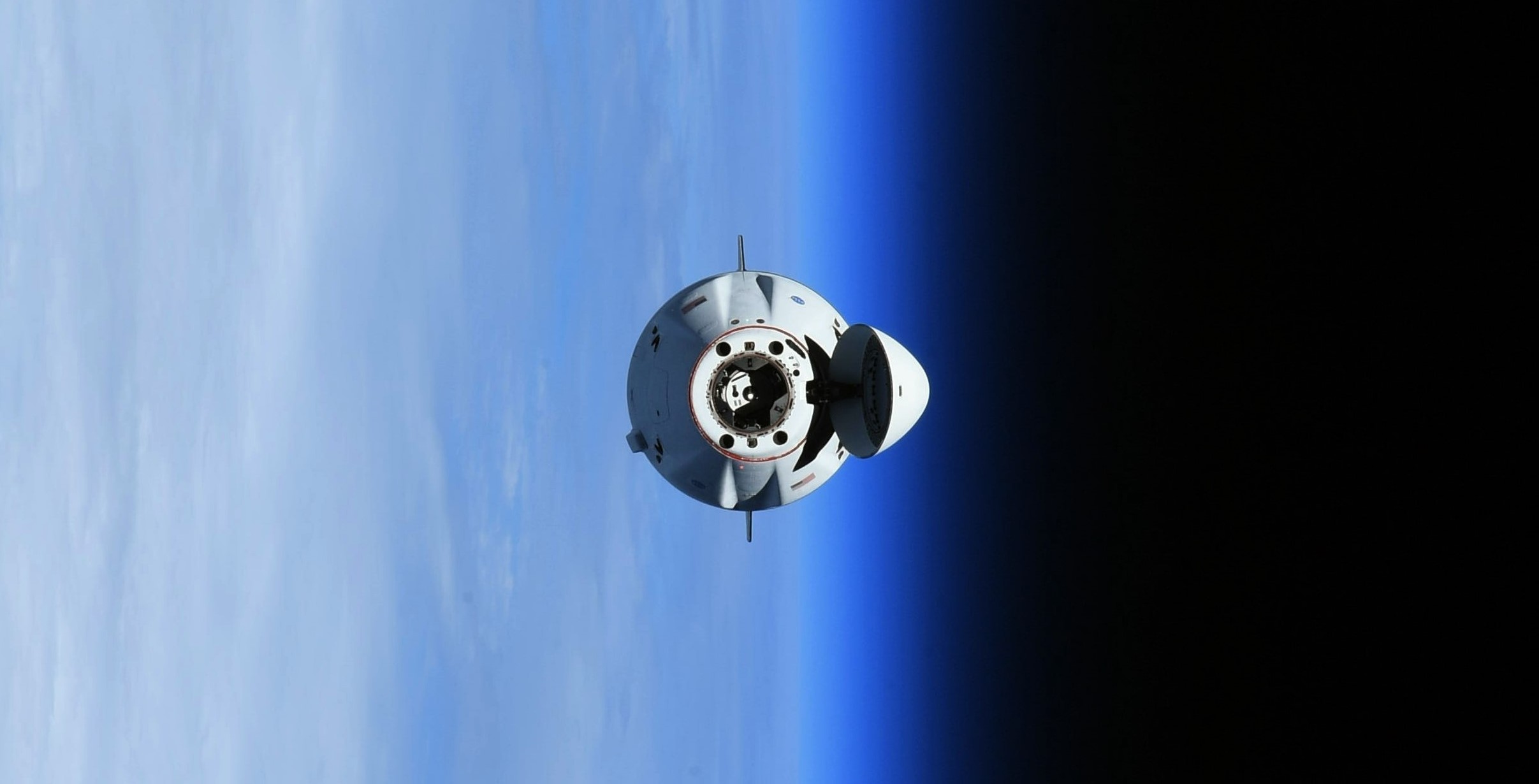
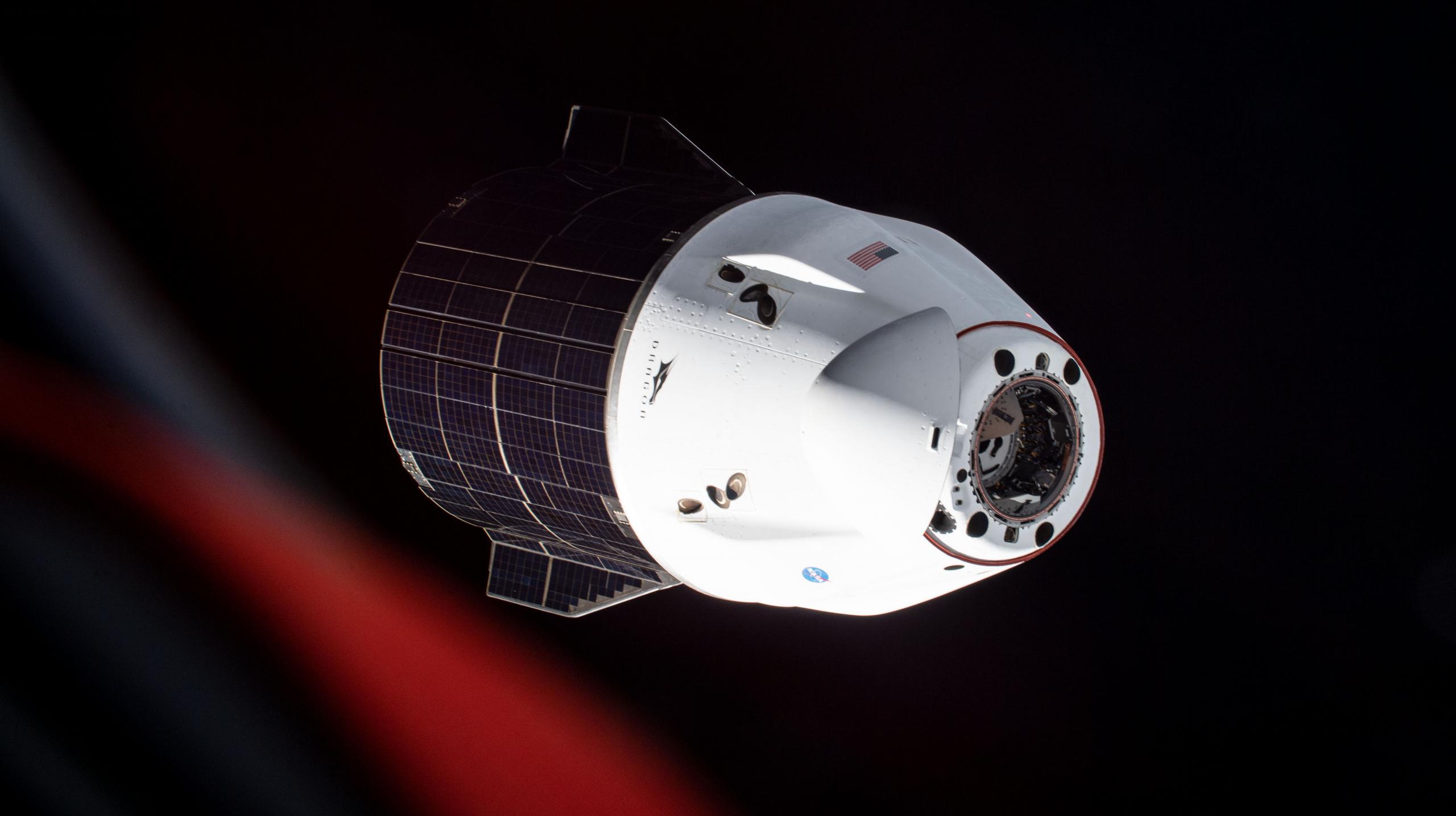
On the uncrewed side of things, Walker also revealed that SpaceX will debut at least one more new Cargo Dragon 2 spacecraft in 2022, raising the company’s uncrewed Dragon fleet to four capsules strong. As long as the ISS remains operational, SpaceX will likely continue to deliver cargo biannually, requiring around 12-18 more Cargo Dragon launches between now and 2030. It’s possible that Starship will quickly replace Dragon as soon as it’s operational and NASA-certified for routine crew and cargo missions, but that milestone is several years away at best, likely ensuring that Dragon will continue to operate for at least the next 5-10 years.
In the meantime, SpaceX’s fleet of reusable Dragon spacecraft looks set to almost double from four to seven capsules by Q4 2022.


News
Tesla Full Self-Driving v14.2.2.5 might be the most confusing release ever
With each Full Self-Driving release, I am realistic. I know some things are going to get better, and I know some things will regress slightly. However, these instances of improvements are relatively mild, as are the regressions. Yet, this version has shown me that it contains extremes of both.

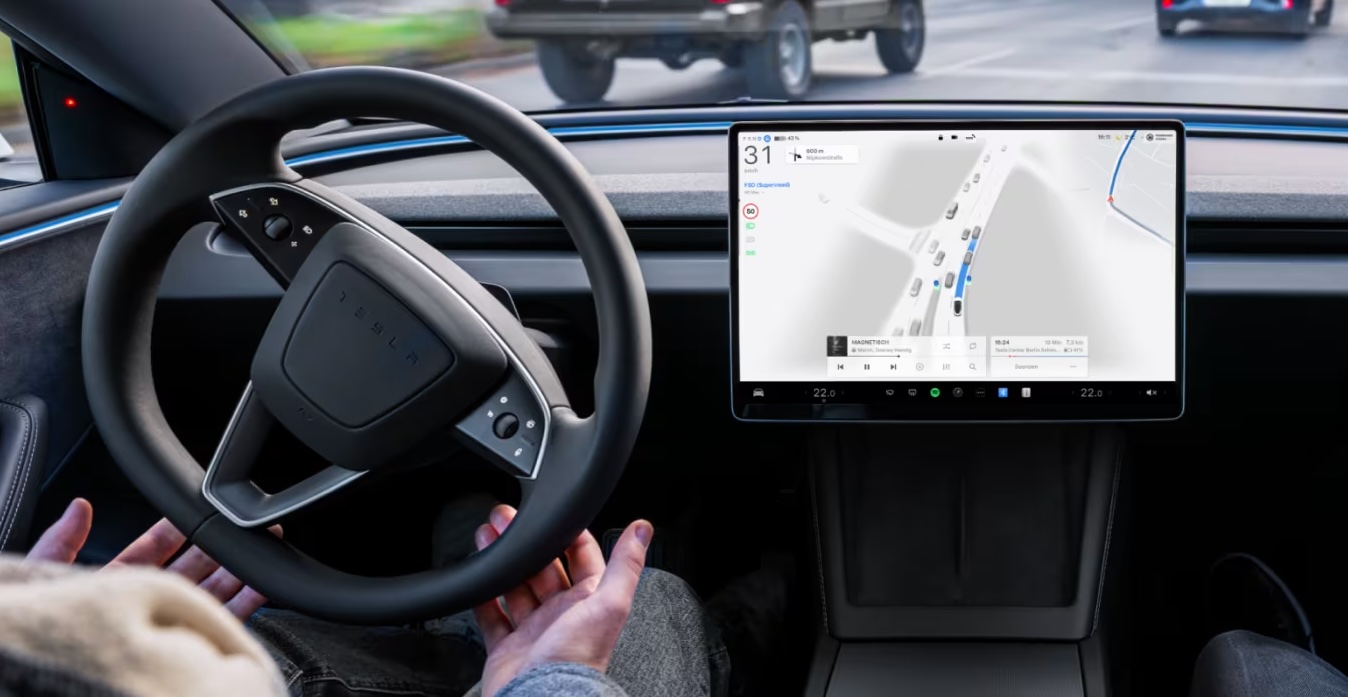
Tesla Full Self-Driving v14.2.2.5 hit my car back on Valentine’s Day, February 14, and since I’ve had it, it has become, in my opinion, the most confusing release I’ve ever had.
With each Full Self-Driving release, I am realistic. I know some things are going to get better, and I know some things will regress slightly. However, these instances of improvements are relatively mild, as are the regressions. Yet, this version has shown me that it contains extremes of both.
It has been about three weeks of driving on v14.2.2.5; I’ve used it for nearly every mile traveled since it hit my car. I’ve taken short trips of 10 minutes or less, I’ve taken medium trips of an hour or less, and I’ve taken longer trips that are over 100 miles per leg and are over two hours of driving time one way.
These are my thoughts on it thus far:
Speed Profiles Are a Mixed Bag
Speed Profiles are something Tesla seems to tinker with quite frequently, and each version tends to show a drastic difference in how each one behaves compared to the previous version.
I do a vast majority of my FSD travel using Standard and Hurry modes, although in bad weather, I will scale it back to Chill, and when it’s a congested city on a weekend or during rush hour, I’ll throw it into Mad Max so it takes what it needs.
Early on, Speed Profiles really felt great. This is one of those really subjective parts of the FSD where someone might think one mode travels too quickly, whereas another person might see the identical performance as too slow or just right.
To me, I would like to see more consistency from release to release on them, but overall, things are pretty good. There are no real complaints on my end, as I had with previous releases.
In a past release, Mad Max traveled under the speed limit quite frequently, and I only had that experience because Hurry was acting the same way. I’ve had no instances of that with v14.2.2.5.
Strange Turn Signal Behavior
This is the first Full Self-Driving version where I’ve had so many weird things happen with the turn signals.
Two things come to mind: Using a turn signal on a sharp turn, and ignoring the navigation while putting the wrong turn signal on. I’ve encountered both things on v14.2.2.5.
On my way to the Supercharger, I take a road that has one semi-sharp right-hand turn with a driveway entrance right at the beginning of the turn.
Only recently, with the introduction of v14.2.2.5, have I had FSD put on the right turn signal when going around this turn. It’s obviously a minor issue, but it still happens, and it’s not standard practice:
How can we get Full Self-Driving to stop these turn signals?
There’s no need to use one here; the straight path is a driveway, not a public road. The right turn signal here is unnecessary pic.twitter.com/7uLDHnqCfv
— TESLARATI (@Teslarati) February 28, 2026
When sharing this on X, I had Tesla fans (the ones who refuse to acknowledge that the company can make mistakes) tell me that it’s a “valid” behavior that would be taught to anyone who has been “professionally trained” to drive.
Apparently, if you complain about this turn signal, you are also claiming you know more than Tesla engineers…okay.
Nobody in their right mind has ever gone around a sharp turn when driving their car and put on a signal when continuing on the same road. You would put a left turn signal on to indicate you were turning into that driveway if that’s what your intention was.
Like I said, it’s a totally minor issue. However, it’s not really needed, and nor is it normal. If I were in the car with someone who was taking a simple turn on a road they were traveling, and they signaled because the turn was sharp, I’d be scratching my head.
I’ve also had three separate instances of the car completely ignoring the navigation and putting on a signal that is opposite to what the routing says. Really quite strange.
Parking Performance is Still Underwhelming
Parking has been a complaint of mine with FSD for a long time, so much so that it is pretty rare that I allow the vehicle to park itself. More often than not, it is because I want to pick a spot that is relatively isolated.
However, in the times I allow it to pull into a spot, it still does some pretty head-scratching things.
Recently, it tried to back into a spot that was ~60% covered in plowed snow. The snow was piled about six feet high in a Target parking lot.
A few days later, it tried backing into a spot where someone failed the universal litmus test of returning their shopping cart. Both choices were baffling and required me to manually move the car to a different portion of the lot.
I used Autopark on both occasions, and it did a great job of getting into the spot. I notice that the parking performance when I manually choose the spot is much better than when the car does the entire parking process, meaning choosing the spot and parking in it.
It’s Doing Things (For Me) It’s Never Done Before
Two things that FSD has never done before, at least for me, are slow down in School Zones and avoid deer. The first is something I usually take over manually, and the second I surprisingly have not had to deal with yet.
I had my Tesla slow down at a school zone yesterday for the first time, traveling at 20 MPH and not 15 MPH as the sign suggested, but at the speed of other cars in the School Zone. This was impressive and the first time I experienced it.
I would like to see this more consistently, and I think School Zones should be one of those areas where, no matter what, FSD will only travel the speed limit.
Last night, FSD v14.2.2.5 recognized a deer in a roadside field and slowed down for it:
🚨 Cruising home on a rainy, foggy evening and my Tesla on Full Self-Driving begins to slow down suddenly
FSD just wanted Mr. Deer to make it home to his deer family ❤️ pic.twitter.com/cAeqVDgXo5
— TESLARATI (@Teslarati) March 4, 2026
Navigation Still SUCKS
Navigation will be a complaint until Tesla proves it can fix it. For now, it’s just terrible.
It still has not figured out how to leave my neighborhood. I give it the opportunity to prove me wrong each time I leave my house, and it just can’t do it.
It always tries to go out of the primary entrance/exit of the neighborhood when the route needs to take me left, even though that exit is a right turn only. I always leave a voice prompt for Tesla about it.
It still picks incredibly baffling routes for simple navigation. It’s the one thing I still really want Tesla to fix.
Investor's Corner
Tesla gets tip of the hat from major Wall Street firm on self-driving prowess
“Tesla is at the forefront of autonomous driving, supported by a camera-only approach that is technically harder but much cheaper than the multi-sensor systems widely used in the industry. This strategy should allow Tesla to scale more profitably compared to Robotaxi competitors, helped by a growing data engine from its existing fleet,” BoA wrote.
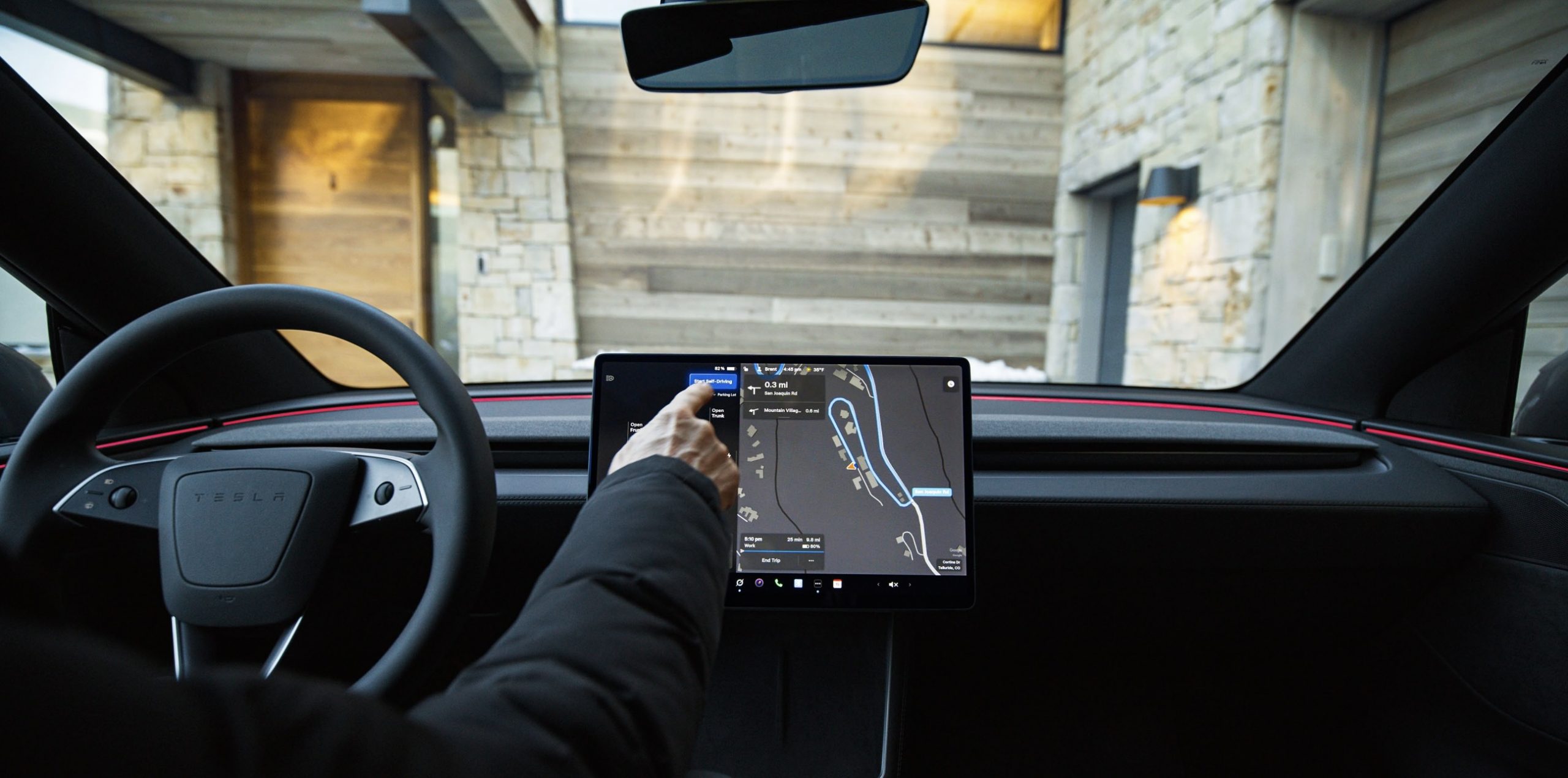
Tesla received a tip of the hat from major Wall Street firm Bank of America on Wednesday, as it reinitiated coverage on Tesla shares with a bullish stance that comes with a ‘Buy’ rating and a $460 price target.
In a new note that marks a sharp reversal from its neutral position earlier in 2025, the bank declared Tesla’s Full Self-Driving (FSD) technology the “leading consumer autonomy solution.”
Analysts highlighted Tesla’s camera-only architecture, known as Tesla Vision, as a strategic masterstroke. While technically more challenging than the multi-sensor setups favored by rivals, the vision-based approach is dramatically cheaper to produce and maintain.
This cost edge, combined with Tesla’s rapidly expanding real-world data engine, positions the company to scale robotaxis far more profitably than competitors, BofA argues in the new note:
“Tesla is at the forefront of autonomous driving, supported by a camera-only approach that is technically harder but much cheaper than the multi-sensor systems widely used in the industry. This strategy should allow Tesla to scale more profitably compared to Robotaxi competitors, helped by a growing data engine from its existing fleet.”
The bank now attributes roughly 52% of Tesla’s total valuation to its Robotaxi ambitions. It also flagged meaningful upside from the Optimus humanoid robot program and the fast-growing energy storage business, suggesting the auto segment’s recent headwinds, including expired incentives, are being eclipsed by these higher-margin opportunities.
Tesla’s own data underscores exactly why Wall Street is waking up to FSD’s potential. According to Tesla’s official safety reporting page, the FSD Supervised fleet has now surpassed 8.4 billion cumulative miles driven.
Tesla FSD (Supervised) fleet passes 8.4 billion cumulative miles
That total ballooned from just 6 million miles in 2021 to 80 million in 2022, 670 million in 2023, 2.25 billion in 2024, and a staggering 4.25 billion in 2025 alone. In the first 50 days of 2026, owners added another 1 billion miles — averaging more than 20 million miles per day.
This avalanche of real-world, camera-captured footage, much of it on complex city streets, gives Tesla an unmatched training dataset. Every mile feeds its neural networks, accelerating improvement cycles that lidar-dependent rivals simply cannot match at scale.
Tesla owners themselves will tell you the suite gets better with every release, bringing new features and improvements to its self-driving project.
The $460 target implies roughly 15 percent upside from recent trading levels around $400. While regulatory and safety hurdles remain, BofA’s endorsement signals growing institutional conviction that Tesla’s data advantage is not hype; it’s a tangible moat already delivering billions of miles of proof.
News
Tesla to discuss expansion of Samsung AI6 production plans: report
Tesla has reportedly requested an additional 24,000 wafers per month, which would bring total production capacity to around 40,000 wafers if finalized.

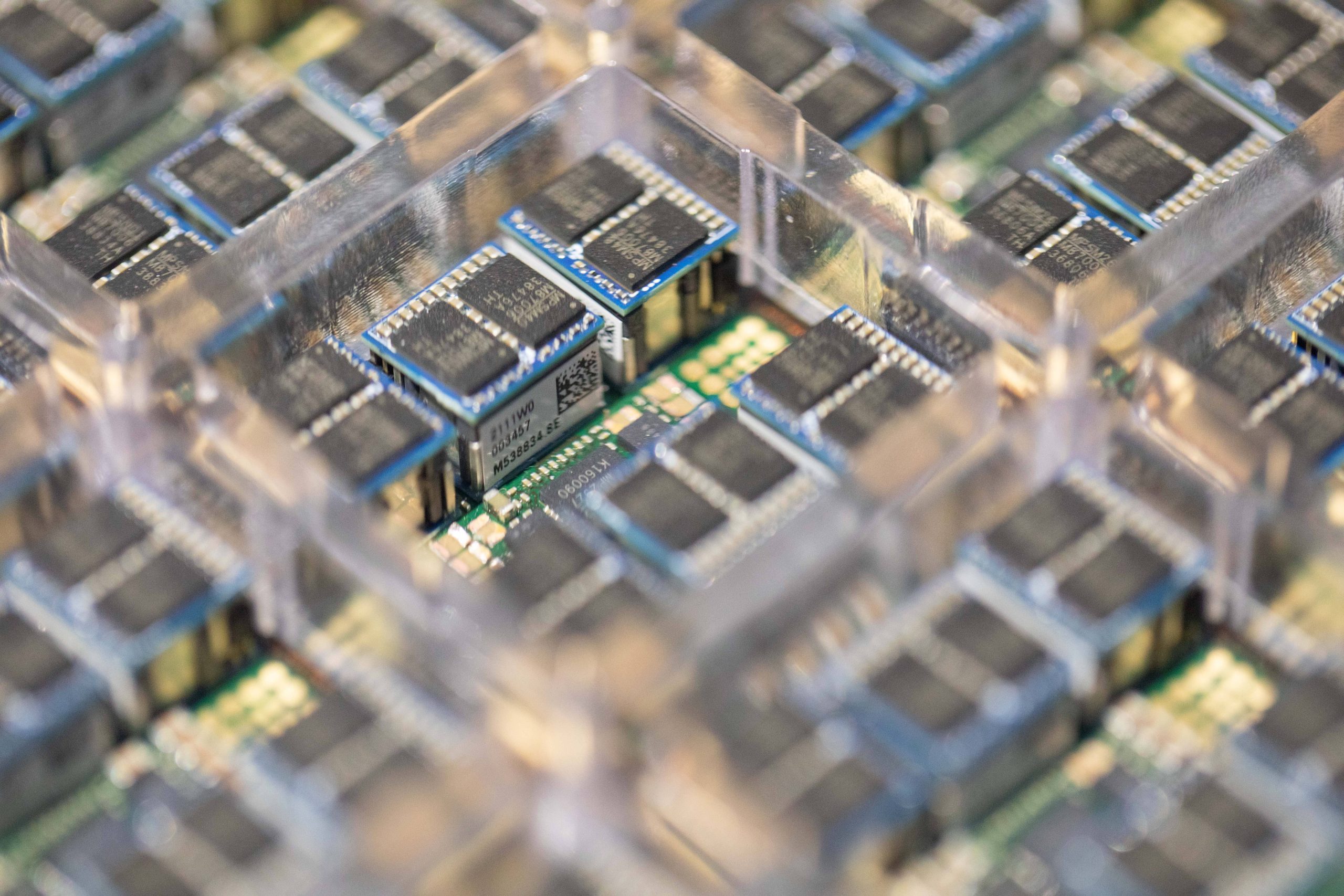
Tesla is reportedly discussing an expansion of its next-generation AI chip supply deal with Samsung Electronics.
As per a report from Korean industry outlet The Elec, Tesla purchasing executives are reportedly scheduled to meet Samsung officials this week to negotiate additional production volume for the company’s upcoming AI6 chip.
Industry sources cited in the report stated that Tesla is pushing to increase the production volume of its AI6 chip, which will be manufactured using Samsung’s 2-nanometer process.
Tesla previously signed a long-term foundry agreement with Samsung covering AI6 production through December 31, 2033. The deal was reportedly valued at about 22.8 trillion won (roughly $16–17 billion).
Under the existing agreement, Tesla secured approximately 16,000 wafers per month from the facility. The company has reportedly requested an additional 24,000 wafers per month, which would bring total production capacity to around 40,000 wafers if finalized.
Tesla purchasing executives are expected to discuss detailed supply terms during their visit to Samsung this week.
The AI6 chip is expected to support several Tesla technologies. Industry sources stated that the chip could be used for the company’s Full Self-Driving system, the Optimus humanoid robot, and Tesla’s internal AI data centers.
The report also indicated that AI6 clusters could replace the role previously planned for Tesla’s Dojo AI supercomputer. Instead of a single system, multiple AI6 chips would be combined into server-level clusters.
Tesla’s semiconductor collaboration with Samsung dates back several years. Samsung participated in the design of Tesla’s HW3 (AI3) chip and manufactured it using a 14-nanometer process. The HW4 chip currently used in Tesla vehicles was also produced by Samsung using a 5-nanometer node.
Tesla previously planned to split production of its AI5 chip between Samsung and TSMC. However, the company reportedly chose Samsung as the primary partner for the newer AI6 chip.

Tesla Full Self-Driving v14.2.2.5 might be the most confusing release ever

Tesla gets tip of the hat from major Wall Street firm on self-driving prowess


