Investor's Corner
Tesla shares (TSLA) recover despite China’s new import tariffs

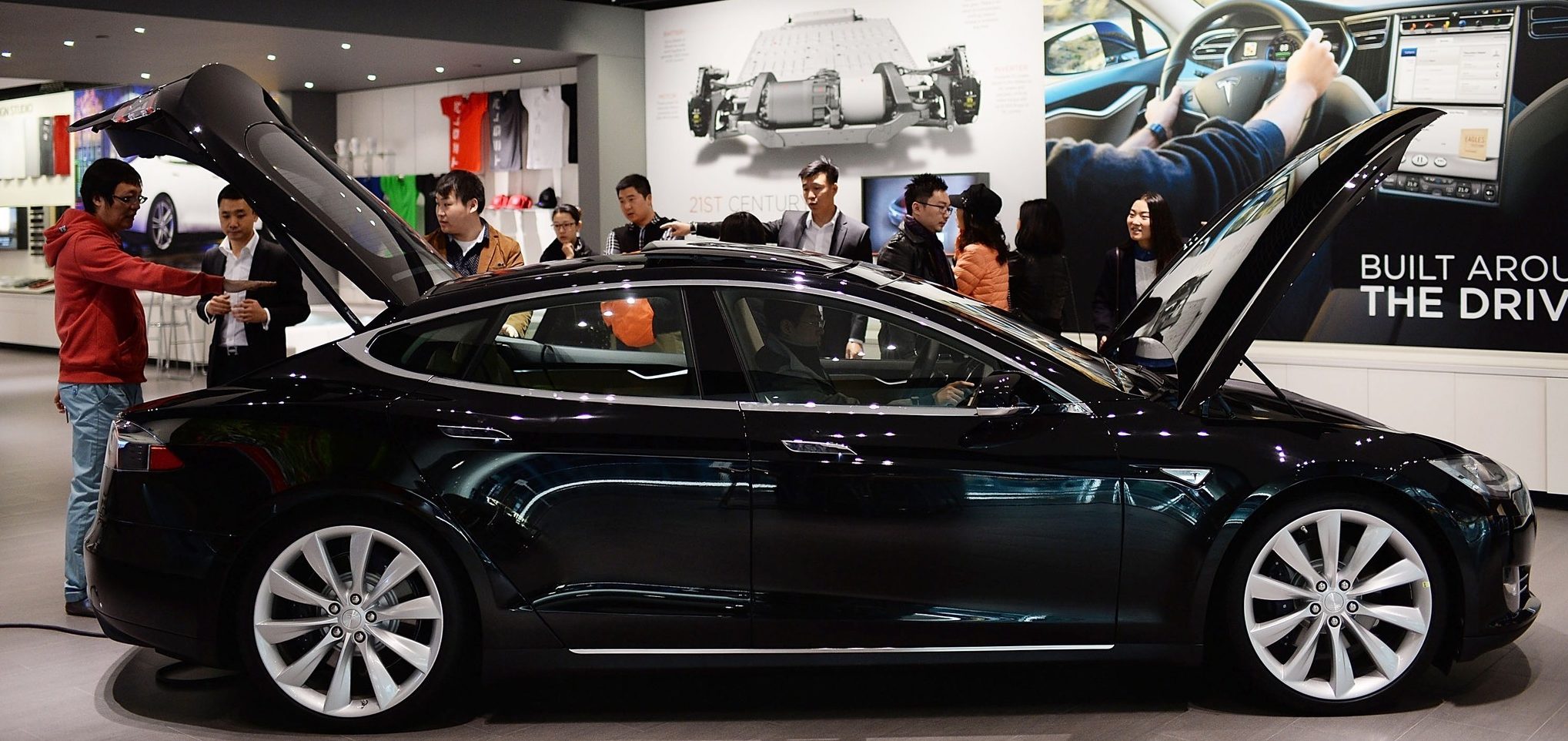
After showing recovery on Tuesday, Tesla shares (NASDAQ:TSLA) tumbled during pre-market trading on Wednesday amid China’s imposition of new tariffs over US-made products, including electric vehicles like Tesla. Before the opening bell on Tuesday, $TSLA shares were trading down 5.38% at $253.13. The company’s stocks began rebounding later during the day, however, bouncing back from its pre-market dive, up 1.55% and trading at $271.82 per share as of writing.
China’s announcement of its tariffs on US goods comes on the heels of the Trump’s administration’s plans to impose duties on $50 billion worth of Chinese products, including industrial, transport, and medical materials. According to a Reuters report, China Foreign Ministry spokesman Geng Shuang claimed that China had been open to resolving the trade dispute through negotiations, but the US had not been responsive so far.
“The best opportunities for resolving the issues through dialogue and negotiations have been repeatedly missed by the U.S. side,” Shuang said.
It only took China 11 hours to respond to Washington’s tariffs in kind, releasing a list of duties on key American imports. Among these are US-made products such as Tesla’s electric cars, Ford’s vehicles from its Lincoln brand, General Dynamics Corp’s Gulfstream jets, and Brown-Forman Corp’s Jack Daniels’ whiskey.
While the two countries’ tariffs on crucial imports appear alarming, Julian Evans-Pritchard, senior China economist at Capital Economics, said that it would not be surprising if negotiations between America and China would happen soon. According to the economist, it is worth noting that only announcements of the tariffs have been made so far. Neither country has called for enforcement of the duties yet.
“The assumption was China would not respond too aggressively and avoid escalating tensions. China’s response is a surprise for some people. It’s more of a game of brinkmanship, making it clear what the cost would be, in the hopes that both sides can come to agreement and none of these tariffs will come into force,” Evans-Pritchard said.
China’s tariffs, if ever they do get enforced, would likely affect Tesla’s operations in the country. Tesla, after all, is currently in intense competition with local electric car makers in China. As we noted in a previous report, Elon Musk brought up the issue of import taxes that American cars face on the country. Tesla is also engaged in negotiation with officials from Shanghai for the construction of a facility speculated to be the Model Y’s future factory.
J.P. Morgan analyst Ryan Brinkman reiterated his Underweight rating on Tesla’s stocks, citing the ongoing production difficulties that the company is facing with the Model 3. Brinkman also lowered his estimates and stock price target to $185 from $190. RBC Capital analyst Joseph Spak kept his Neutral rating on $TSLA, though he dropped his stock price target from $380 to $305, according to a MarketWatch report.
While Tesla’s shares took a dive during pre-market trading, IHS Markit Managing Director for Asia Pacific James Chao noted in a statement to Bloomberg that Tesla’s woes are relatively minor. Chao further stated the current challenges that Tesla’s shares are facing are manageable, especially since Elon Musk seems to work best when he is driven into a corner.
“(Elon Musk) is really at the edge here. I think this is the environment that works best in, under a lot of pressure. With the tweet on April Fools, you can see that he thrives in the moment. I think that you can see that he is performing, to a certain extent, 2,020 vehicles in the last week of April, was far beyond what analysts, in general, were looking for.
“The overall story just for Tesla is still intact, which is, while large automakers produce vehicles in every single segment of the market, including segments of the market where they can’t make money; Tesla focuses on one segment — this electric vehicle market — which is highly valued. And I think that story still continues despite short-term cycles.”
As we noted in a previous report, Tesla’s first quarter production and delivery report listed a 40% increase in production from Q4 2017. Tesla was also able to manufacture 2,020 Model 3 during the last week of March. Delivery figures were also strong, with the company delivering 29,980 vehicles in total during the first three months of the year. Among this number, 8.180 were Model 3.


Investor's Corner
SpaceX IPO is coming, CEO Elon Musk confirms
However, it appears Musk is ready for SpaceX to go public, as Ars Technica Senior Space Editor Eric Berger wrote an op-ed that indicated he thought SpaceX would go public soon. Musk replied, basically confirming it.

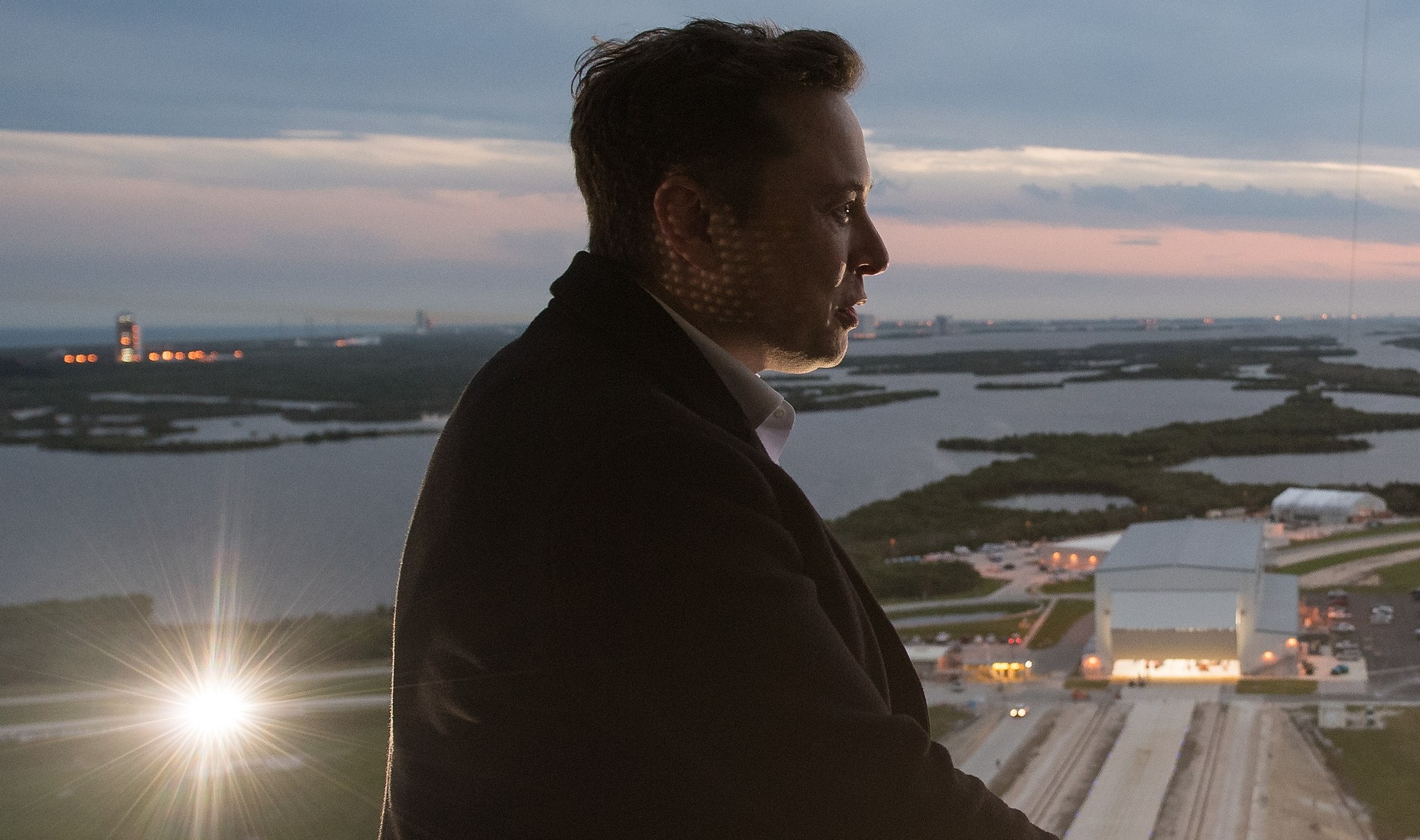
Elon Musk confirmed through a post on X that a SpaceX initial public offering (IPO) is on the way after hinting at it several times earlier this year.
It also comes one day after Bloomberg reported that SpaceX was aiming for a valuation of $1.5 trillion, adding that it wanted to raise $30 billion.
Musk has been transparent for most of the year that he wanted to try to figure out a way to get Tesla shareholders to invest in SpaceX, giving them access to the stock.
He has also recognized the issues of having a public stock, like litigation exposure, quarterly reporting pressures, and other inconveniences.
However, it appears Musk is ready for SpaceX to go public, as Ars Technica Senior Space Editor Eric Berger wrote an op-ed that indicated he thought SpaceX would go public soon.
Musk replied, basically confirming it:
As usual, Eric is accurate
— Elon Musk (@elonmusk) December 10, 2025
Berger believes the IPO would help support the need for $30 billion or more in capital needed to fund AI integration projects, such as space-based data centers and lunar satellite factories. Musk confirmed recently that SpaceX “will be doing” data centers in orbit.
AI appears to be a “key part” of SpaceX getting to Musk, Berger also wrote. When writing about whether or not Optimus is a viable project and product for the company, he says that none of that matters. Musk thinks it is, and that’s all that matters.
It seems like Musk has certainly mulled something this big for a very long time, and the idea of taking SpaceX public is not just likely; it is necessary for the company to get to Mars.
The details of when SpaceX will finally hit that public status are not known. Many of the reports that came out over the past few days indicate it would happen in 2026, so sooner rather than later.
But there are a lot of things on Musk’s plate early next year, especially with Cybercab production, the potential launch of Unsupervised Full Self-Driving, and the Roadster unveiling, all planned for Q1.
Investor's Corner
Tesla Full Self-Driving statistic impresses Wall Street firm: ‘Very close to unsupervised’
The data shows there was a significant jump in miles traveled between interventions as Tesla transitioned drivers to v14.1 back in October. The FSD Community Tracker saw a jump from 441 miles to over 9,200 miles, the most significant improvement in four years.
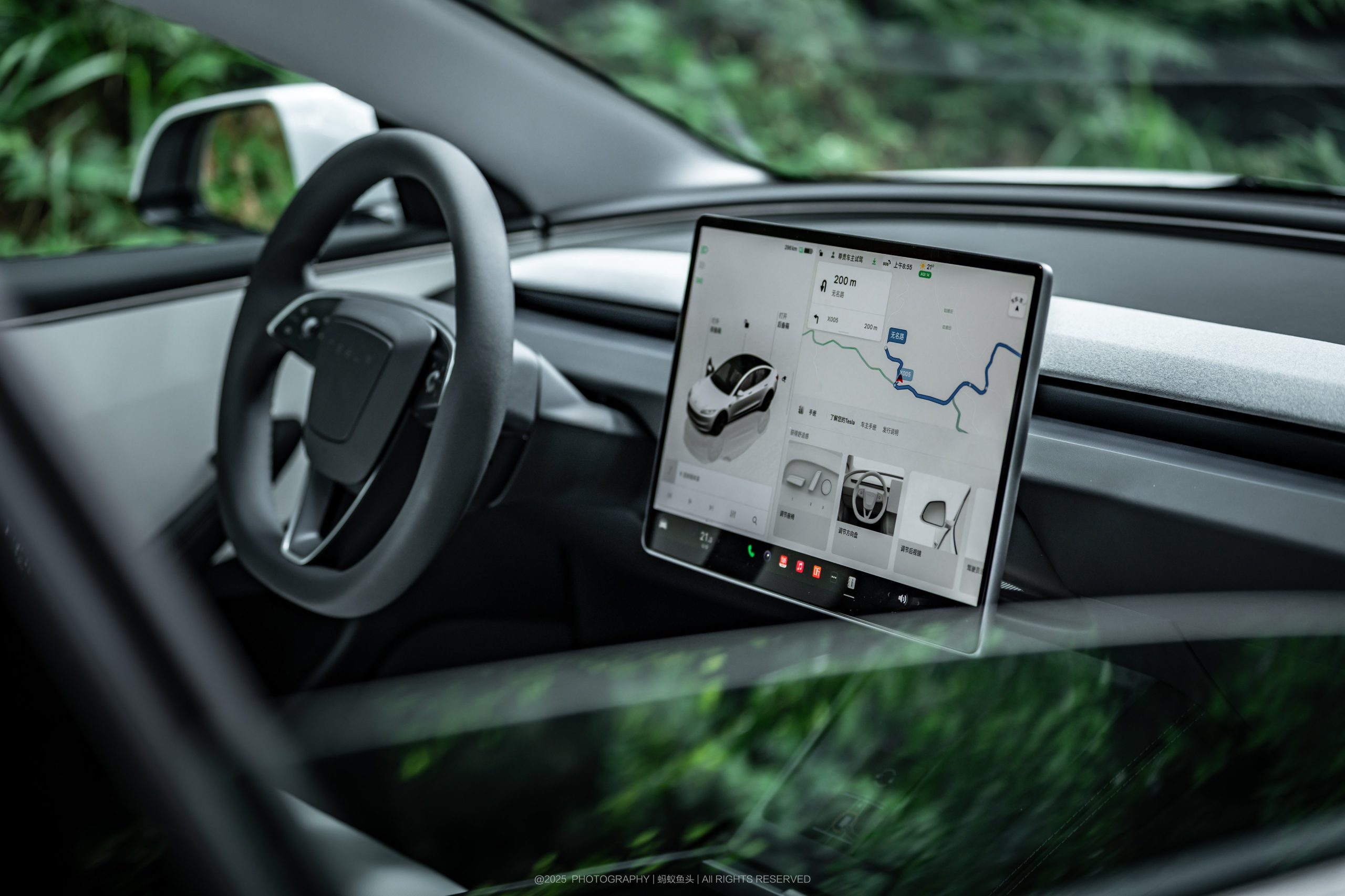
Tesla Full Self-Driving performance and statistics continue to impress everyone, from retail investors to Wall Street firms. However, one analyst believes Tesla’s driving suite is “very close” to achieving unsupervised self-driving.
On Tuesday, Piper Sandler analyst Alexander Potter said that Tesla’s recent launch of Full Self-Driving version 14 increased the number of miles traveled between interventions by a drastic margin, based on data compiled by a Full Self-Driving Community Tracker.
🚨 Piper Sandler reiterated its Overweight rating and $500 PT on Tesla $TSLA stock
Analyst Alexander Potter said FSD is near full autonomy and latest versions showed the largest improvement in disengagements, from 440 miles to 9,200 miles between critical interventions pic.twitter.com/u4WCLfZcA9
— TESLARATI (@Teslarati) December 9, 2025
The data shows there was a significant jump in miles traveled between interventions as Tesla transitioned drivers to v14.1 back in October. The FSD Community Tracker saw a jump from 441 miles to over 9,200 miles, the most significant improvement in four years.
Interestingly, there was a slight dip in the miles traveled between interventions with the release of v14.2. Piper Sandler said investor interest in FSD has increased.
Full Self-Driving has displayed several improvements with v14, including the introduction of Arrival Options that allow specific parking situations to be chosen by the driver prior to arriving at the destination. Owners can choose from Street Parking, Parking Garages, Parking Lots, Chargers, and Driveways.
Additionally, the overall improvements in performance from v13 have been evident through smoother operation, fewer mistakes during routine operation, and a more refined decision-making process.
Early versions of v14 exhibited stuttering and brake stabbing, but Tesla did a great job of confronting the issue and eliminating it altogether with the release of v14.2.
Tesla CEO Elon Musk also recently stated that the current v14.2 FSD suite is also less restrictive with drivers looking at their phones, which has caused some controversy within the community.
Although we tested it and found there were fewer nudges by the driver monitoring system to push eyes back to the road, we still would not recommend it due to laws and regulations.
Tesla Full Self-Driving v14.2.1 texting and driving: we tested it
With that being said, FSD is improving significantly with each larger rollout, and Musk believes the final piece of the puzzle will be unveiled with FSD v14.3, which could come later this year or early in 2026.
Piper Sandler reaffirmed its $500 price target on Tesla shares, as well as its ‘Overweight’ rating.
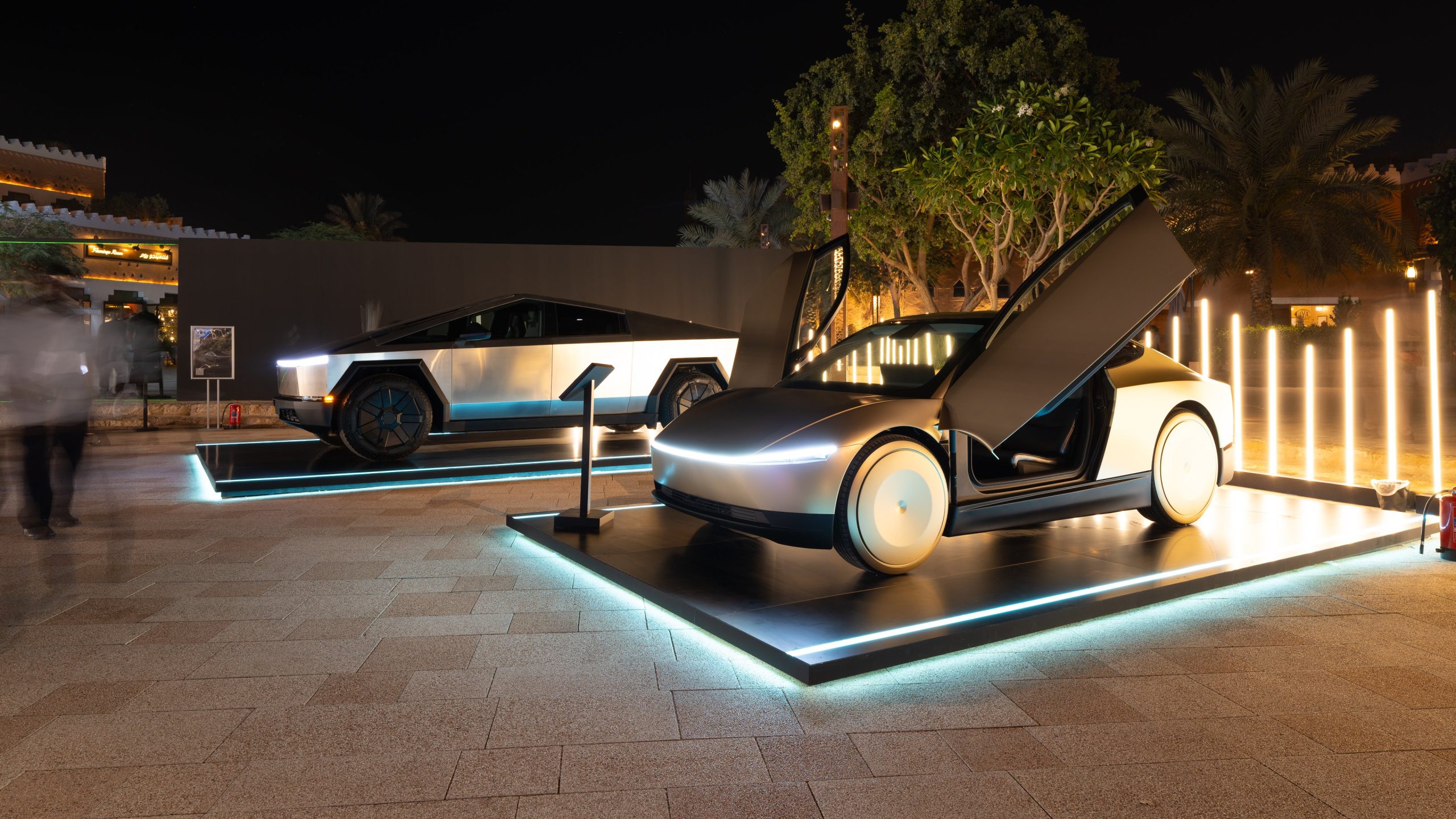
Tesla received a price target boost from Morgan Stanley, according to a new note on Monday morning, but there is some considerable caution also being communicated over the next year or so.
Morgan Stanley analyst Andrew Percoco took over Tesla coverage for the firm from longtime bull Adam Jonas, who appears to be focusing on embodied AI stocks and no longer automotive.
Percoco took over and immediately adjusted the price target for Tesla from $410 to $425, and changed its rating on shares from ‘Overweight’ to ‘Equal Weight.’
Percoco said he believes Tesla is the leading company in terms of electric vehicles, manufacturing, renewable energy, and real-world AI, so it deserves a premium valuation. However, he admits the high expectations for the company could provide for a “choppy trading environment” for the next year.
He wrote:
“However, high expectations on the latter have brought the stock closer to fair valuation. While it is well understood that Tesla is more than an auto manufacturer, we expect a choppy trading environment for the TSLA shares over the next 12 months, as we see downside to estimates, while the catalysts for its non-auto businesses appear priced at current levels.”
Percoco also added that if market cap hurdles are achieved, Morgan Stanley would reduce its price target by 7 percent.
Perhaps the biggest change with Percoco taking over the analysis for Jonas is how he will determine the value of each individual project. For example, he believes Optimus is worth about $60 per share of equity value.
He went on to describe the potential value of Full Self-Driving, highlighting its importance to the Tesla valuation:
“Full Self Driving (FSD) is the crown jewel of Tesla’s auto business; we believe that its leading-edge personal autonomous driving offering is a real game changer, and will remain a significant competitive advantage over its EV and non-EV peers. As Tesla continues to improve its platform with increased levels of autonomy (i.e., hands-off, eyes-off), it will revolutionize the personal driving experience. It remains to be seen if others will be able to keep pace.”
Additionally, Percoco outlined both bear and bull cases for the stock. He believes $860 per share, “which could be in play in the next 12 months if Tesla manages through the EV-downturn,” while also scaling Robotaxi, executing on unsupervised FSD, and scaling Optimus, is in play for the bull case.
Will Tesla thrive without the EV tax credit? Five reasons why they might
Meanwhile, the bear case is placed at $145 per share, and “assumes greater competition and margin pressure across all business lines, embedding zero value for humanoids, slowing the growth curve for Tesla’s robotaxi fleet to reflect regulatory challenges in scaling a vision-only perception stack, and lowering market share and margin profile for the autos and energy businesses.”
Currently, Tesla shares are trading at around $441.

Tesla updates Cybertruck owners about key Powershare feature

Tesla’s northernmost Supercharger in North America opens


